
Understanding Car Insurance Types: A Complete Guide
Learn the differences between car insurance types such as Third-Party, Comprehensive, Collision, and Zero Depreciation. Discover which coverage best suits your needs.

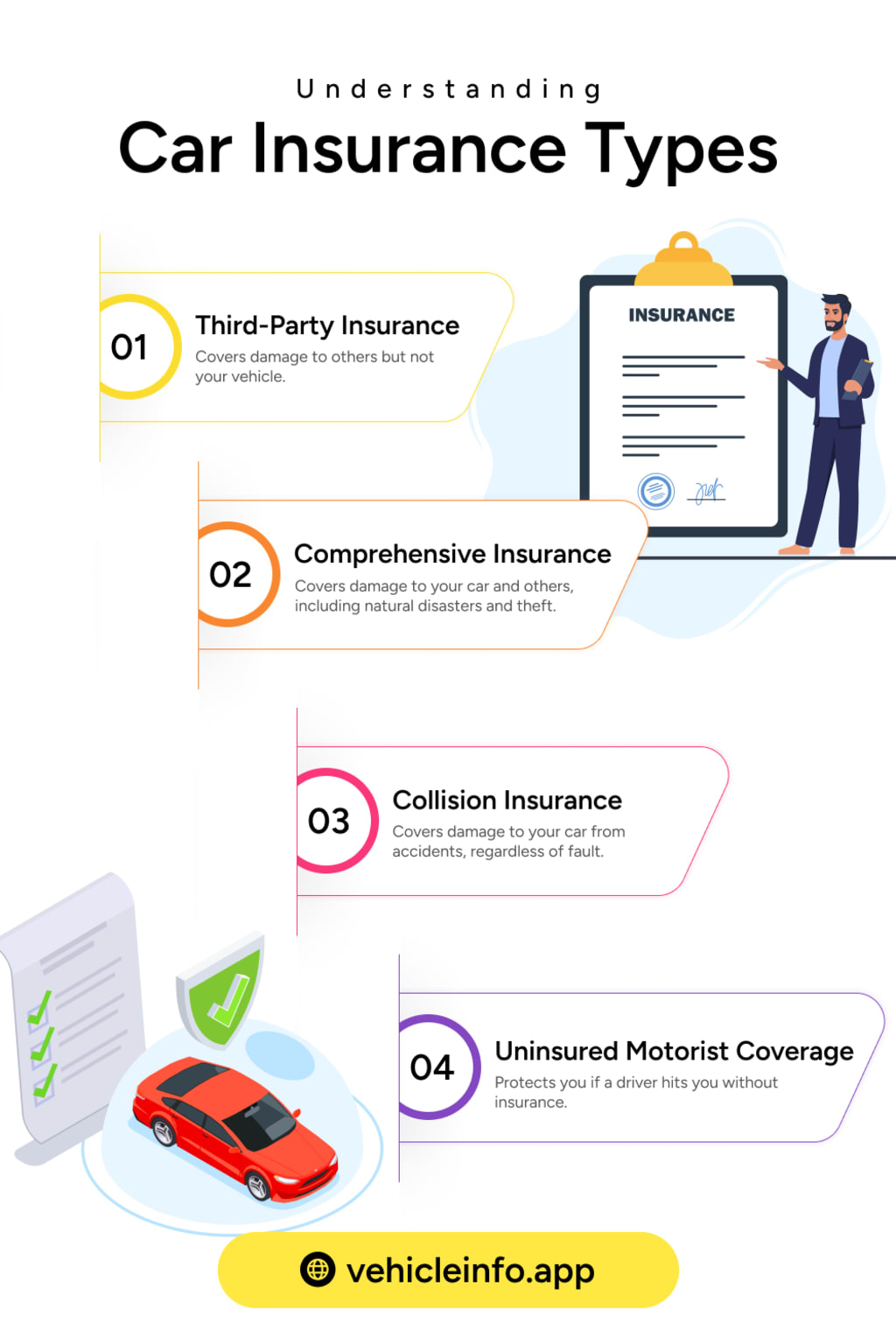
Car insurance is a must-have for every driver, but with so many options available, it can be confusing to choose the right type of coverage. The different types of car insurance offer varying levels of protection for both you and your vehicle. Understanding these options is key to finding the right one for your needs.
In this guide, we will walk you through the most common types of car insurance: Third-Party Insurance, Comprehensive Insurance, Collision Insurance, and Zero Depreciation Car Insurance. By the end of this article, you'll have a clearer idea of what each type offers, and how they can work together to protect your vehicle.
Third-Party Insurance: Basic Protection for Others
Third-party car insurance is the most basic form of car insurance and is mandatory in many countries. It offers protection against damage or injury caused to another person or their property but does not cover any damage to your own vehicle. Here's a breakdown of what it covers:
Liability for Injury or Death: If you cause an accident that results in injury or death to another person, third-party insurance will cover their medical costs and any compensation claims.
Property Damage: This includes damages caused to other vehicles, buildings, road signs, fences, or anything else involved in the accident that you caused.
No Coverage for Your Vehicle: The downside is that third-party insurance does not provide any compensation for damage to your own car. So, if you're in an accident, you'll have to bear the repair costs yourself.
While third-party insurance is affordable, it offers minimal coverage. It's suitable for people with older vehicles or those who drive safely and don’t mind the risk of not having coverage for their own car.
Comprehensive Insurance: Full Coverage for Your Car
Comprehensive insurance is more expensive than third-party insurance, but it provides much more extensive coverage. This type of insurance protects you and your vehicle in various situations, including accidents, theft, and natural disasters. Here's what comprehensive insurance covers:
Damage to Your Own Vehicle: If your car is damaged in an accident, regardless of who is at fault, comprehensive insurance will pay for repairs or replacement.
Natural Disasters: If your car is damaged by floods, hail, earthquakes, or storms, comprehensive insurance will cover the repair costs. It also includes protection for fire, vandalism, and theft.
Third-Party Liability: Comprehensive insurance often includes third-party coverage, meaning it will pay for damages caused to other people or their property in the event of an accident that you’re responsible for.
Comprehensive insurance is ideal for new cars or vehicles with higher value, as it provides peace of mind knowing you’re fully protected against various risks. It’s also great if you live in an area prone to accidents, theft, or natural disasters.
Collision Insurance: Covering Accidents, No Matter Who’s at Fault
Collision insurance focuses on damage to your car that results from an accident. Unlike third-party insurance, collision coverage helps pay for repairs or replacement of your vehicle, regardless of who is at fault. Here’s what collision insurance includes:
Accident Damage: If you're in a collision with another vehicle, tree, wall, or any object, collision insurance will cover the cost of repairs to your car, even if the accident was your fault.
No-Fault Coverage: Whether the other driver is at fault or you are, collision insurance helps pay for the damage to your vehicle.
Repair and Replacement Costs: Collision insurance covers the cost of repairing your car or replacing it if the damage is too severe.
Collision insurance is particularly useful if you drive in high-traffic areas or busy cities where accidents are more common. It’s also a good option if your car is relatively new and you want protection from the financial burden of repairs.
Zero Depreciation Car Insurance: The Best Protection for New Cars
Zero depreciation car insurance, also called bumper-to-bumper insurance, is an add-on to comprehensive or collision insurance that ensures you get the full value of your car without any depreciation deductions. Normally, when you make a claim, insurance companies reduce the payout amount based on the depreciation of your vehicle’s value. But with zero depreciation insurance, you receive the full value for your car, parts, and accessories.
Here’s why zero depreciation insurance is valuable:
No Depreciation Deductions: Normally, the payout you receive from insurance after a claim is reduced based on the age of your vehicle. With zero depreciation, you get the full cost of repairs or replacement without depreciation being factored in.
Full Coverage for Parts and Accessories: If you’ve added accessories like alloy wheels, a new sound system, or fancy lights to your car, zero depreciation coverage ensures these items are also covered.
Ideal for New Cars: Zero depreciation insurance is most useful for new cars, as they lose value quickly over the first few years. With this insurance, you ensure that the amount you receive after an accident is enough to cover the full cost of repairs or even replace your car.
While zero depreciation insurance is more expensive, it’s an excellent choice for new cars or vehicles with high-value accessories. If you want complete protection and peace of mind, zero depreciation insurance is the way to go.
How to Choose the Right Car Insurance for You
Now that you know the different types of car insurance, you may be wondering which one is the best for you. The right type of insurance depends on several factors, including your budget, the value of your car, and your personal needs. Here’s a quick guide to help you make an informed decision:
Third-Party Insurance: Best for drivers with older cars or those looking for the most affordable option. If you’re okay with not having coverage for your own car, this is a good choice.
Comprehensive Insurance: Ideal for those with new or high-value cars who want extensive coverage. It offers protection against a wide range of risks, including accidents, theft, and natural disasters.
Collision Insurance: A great option if you’re particularly concerned about accidents and want coverage for your own car, regardless of who is at fault. This is ideal for those in areas with high traffic and accident rates.
Zero Depreciation Insurance: The best choice for new cars. This add-on ensures you get the full value of your car without depreciation deductions, offering complete protection and peace of mind.
Choosing the right type of car insurance can be overwhelming, but understanding your options can make it easier. Third-party insurance offers basic protection, while comprehensive and collision insurance provide more extensive coverage. Zero depreciation insurance is an excellent add-on for new cars, ensuring that you get full value after a claim.
Take the time to evaluate your needs and your vehicle's value, and consult with an insurance provider to find the best policy for your situation. Remember, car insurance is not just a legal requirement but an important investment in your financial security.
About the Creator
Yankit Gayakvad
With 4 years of experience in digital marketing, I specialize in SEO, SMO, SEM, and content strategy. I use data-driven techniques to enhance online visibility, boost engagement, and drive measurable growth for brands.
Keep reading
More stories from Yankit Gayakvad and writers in Wheel and other communities.
Essential Car Insurance Checklist: Coverage, Costs & Add-Ons Explained
Choosing the right car insurance doesn’t have to be complicated. Whether you're a first-time buyer or just reviewing your policy, this simple checklist will help you understand the key things you need to know about car insurance. From coverage types to optional add-ons, we’ll guide you through it all so you can make the best decision for your needs.
By Yankit Gayakvadabout a year ago in Wheel
Common Mercedes Repair Issues Drivers Experience As Their Vehicle Ages
Mercedes-Benz is a constant competitor when it comes to discussing the best luxury brands. By combining high-end materials and superior craftsmanship, Mercedes models continue to be highly desirable even as they age. Buying an older Mercedes has become the go-to option for drivers looking for luxury on a more reasonable budget. Whether you’re looking at buying an older Merc, or just can't seem to part ways with your aging Bavarian, these are some of the common Mercedes repair tasks to be aware of.
By Foreign Affiars Motorsport4 days ago in Wheel
Writing To Succeed
If you want to find something that will help readers find your writing, possibly expand your audience, and maybe even get you noticed for other things, then you’re not alone. But how can you get it done in a world full of want-to-be writers? Look less at what you’re writing now, and more at what other writers have used to boost their views and reads.
By Jason Ray Morton 5 days ago in Writers



Comments
There are no comments for this story
Be the first to respond and start the conversation.