
Understanding Brake Issues in BMW Cars: Common Problems and How to Address Them
Brake Issues in BMW Cars

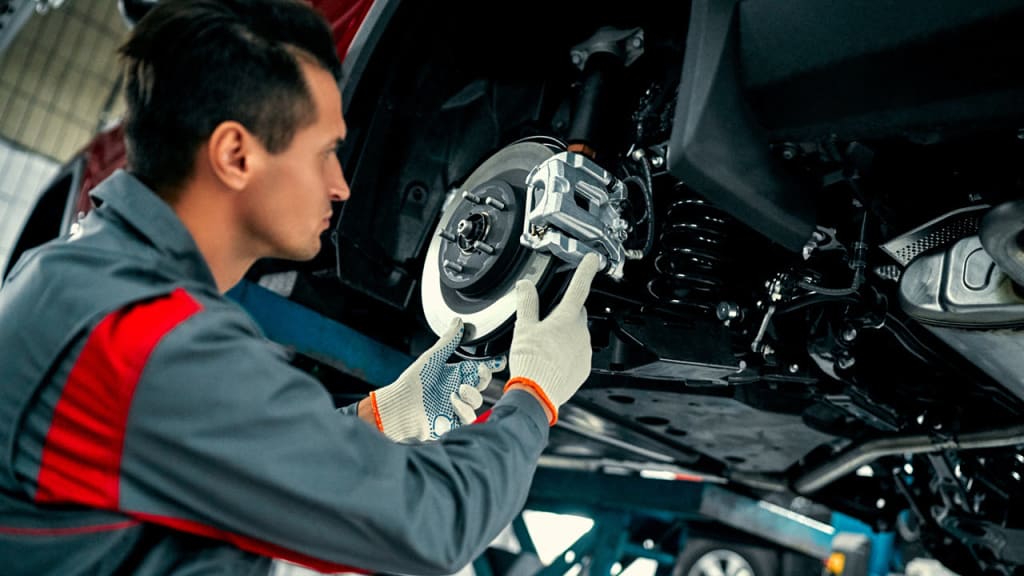
BMW cars are renowned for their exceptional performance, luxury, and engineering precision. However, like any vehicle, they are not immune to wear and tear. One critical area that requires regular attention is the braking system. Ensuring your BMW’s brakes are functioning optimally is essential for safety and performance. This article explores common brake issues in BMW vehicles, their causes, and professional solutions to address them.
Common Brake Problems in BMW Cars
Brake Pad Wear
Symptoms: Squeaking or grinding noises, reduced braking efficiency, or a dashboard warning light.
Causes: Frequent braking, high-speed driving, or using low-quality brake pads.
Solution: Replace worn-out brake pads with high-quality OEM or performance-grade options. Regularly inspect the pads to monitor their condition.
Warped Brake Rotors
Symptoms: Vibrations or pulsations in the brake pedal when braking.
Causes: Excessive heat buildup from prolonged braking or uneven tightening of lug nuts.
Solution: Resurface or replace the rotors as needed. Ensure proper installation and torque specifications during wheel mounting.
Brake Fluid Contamination or Depletion
Symptoms: A spongy brake pedal feel or reduced braking power.
Causes: Moisture absorption in the brake fluid or leaks in the braking system.
Solution: Flush and replace the brake fluid every two years or as recommended in your BMW’s maintenance schedule. Address any leaks promptly.
Malfunctioning ABS (Anti-lock Braking System)
Symptoms: ABS warning light on the dashboard or the brakes locking up during hard stops.
Causes: Faulty ABS sensors, damaged wiring, or a malfunctioning ABS module.
Solution: Diagnose the issue with a professional diagnostic tool. Replace faulty components and recalibrate the system if necessary.
Sticking Brake Calipers
Symptoms: Uneven braking, vehicle pulling to one side, or excessive heat near the wheels.
Causes: Corrosion, dirt buildup, or lack of lubrication in the caliper pins.
Solution: Clean, lubricate, or replace the calipers. Regular maintenance can prevent this issue from recurring.
Electronic Parking Brake Issues
Symptoms: Inability to engage or release the parking brake, or error messages on the dashboard.
Causes: Software glitches, actuator malfunctions, or electrical issues.
Solution: Perform a software reset or update. Replace faulty actuators or repair electrical connections as required.
Preventive Measures to Avoid Brake Issues
Adhere to Regular Maintenance
Follow your BMW’s recommended maintenance schedule to inspect and service the braking system.
Use High-Quality Components
Always opt for OEM or high-performance aftermarket parts to ensure reliability and durability.
Monitor Driving Habits
Avoid aggressive braking and high-speed driving, as these can accelerate brake wear.
Keep the Braking System Clean
Regularly clean brake components to prevent dirt and debris buildup, which can lead to sticking calipers or noise.
When to Seek Professional Help
If you notice any unusual symptoms, such as persistent noises, reduced braking performance, or dashboard warnings, it’s crucial to consult a certified BMW technician. They have the expertise and specialized tools to diagnose and resolve brake issues effectively.
Conclusion
Understanding common brake issues in BMW cars and addressing them promptly can ensure your vehicle’s safety and performance remain uncompromised. By following preventive measures and seeking professional service when needed, you can enjoy a smooth and secure driving experience. Regular maintenance and attention to detail are key to keeping your BMW’s braking system in top condition.
About the Creator
Carotech Automotive
We at Carotech Automotive and Tires located in Los Angeles, CA have years of experience in looking after Domestic, Asian and European cars. All our technicians are highly experienced, certified and are passionate about cars.
Keep reading
More stories from Carotech Automotive and writers in Wheel and other communities.
BMW Timing Belt Repair: Essential Tips for Preventing Engine Damage and Ensuring Longevity
Maintaining your BMW in peak condition requires attention to several critical components, one of the most important being the timing belt. The timing belt plays a crucial role in the synchronization of your engine’s components, ensuring that the camshaft and crankshaft operate in perfect harmony. Neglecting the timing belt can lead to severe engine damage and costly repairs. This article provides essential tips for timing belt repair, aiming to prevent engine damage and ensure the longevity of your BMW.
By Carotech Automotive2 years ago in Wheel
How to Know When Your Car Needs Regular Maintenance
Keeping a vehicle in good condition requires more than just filling it with fuel. Car maintenance involves routine inspections of essential systems such as brakes, tires, engine, transmission, suspension, and fluids. Regular maintenance ensures your car performs efficiently, stays reliable, and reduces the chance of unexpected breakdowns. By maintaining your car proactively, you also extend its lifespan, reduce fuel consumption, and help minimize environmental impact. Understanding the importance of maintenance can save money in the long run and keep your driving experience smooth and stress-free.
By Austin Peck3 days ago in Wheel


Comments
There are no comments for this story
Be the first to respond and start the conversation.