
Top 7 Worst Cars Due To Consumer Reports You Should Know About
There are a lot of cars that have pros and cons. However, some cars have much more cons than pros and are not suitable neither for daily rides nor for collecting (especially, if you don’t collect junk or ugly cars).

If you are gouging to buy a car, it is extremely important to know exactly what vehicle to avoid. Otherwise, it would be difficult to sell such a car for cash. That’s why we have gathered these top seven worst cars due to Consumer Reports you should know about.
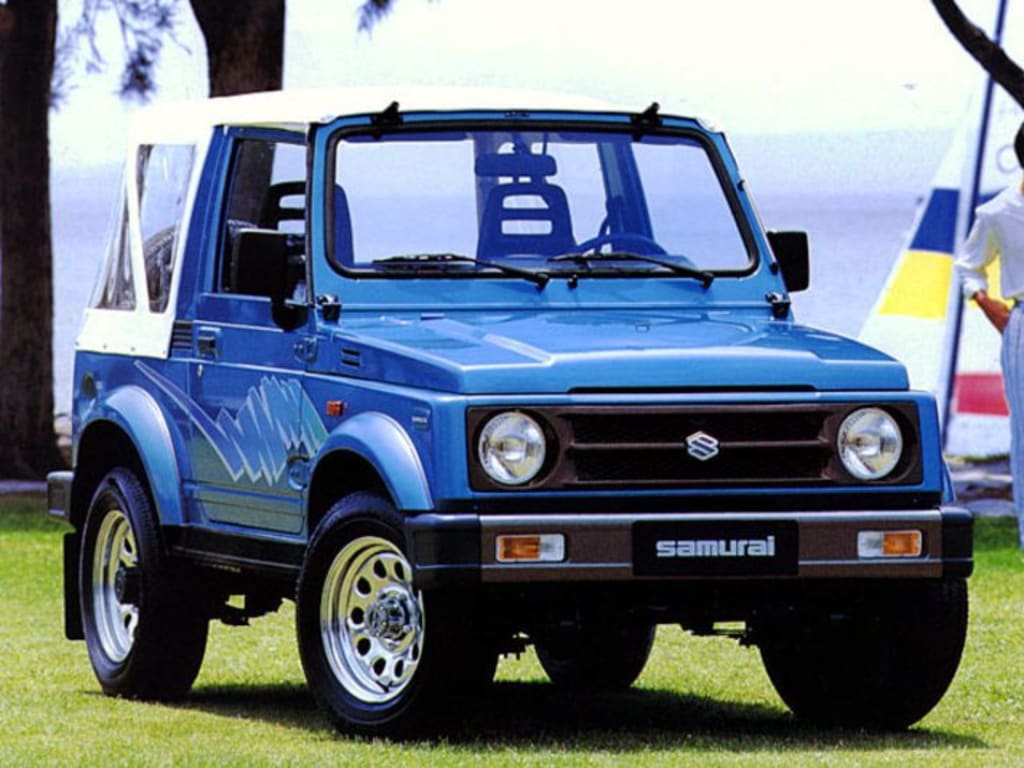
1. Suzuki Samurai 1988
Suzuki "Samurai" appeared on American roads in 1985. A car with a miniature size for an SUV and a stylish appearance for several years was considered the most durable and reliable in its segment. In addition, the price of the Samurai was an order of magnitude lower than that of the Jeep CJ-7 and Wrangler. That’s why Suzuki's sales in the United States broke all records in two years.
But in 1988, Consumer Reports urged the automaker to remember all 150,000 Samurai already sold to American citizens and replace them with safe models. The Americans demanded compensation for damage from the manufacturer, whose cars could capsize on a bend. But it turned out that when testing the model, the numbers in the report were slightly changed. The Suzuki Samurai can indeed tip over in tight curves at high speed, but not as often as indicated in the test results. Nevertheless, this scandal allowed American manufacturers to take a leading position in the American SUV market.
2. Isuzu Trooper 1996
As with the Suzuki litigation, Consumer Reports was prosecuted for conducting biased safety tests on the Isuzu Trooper in 1996. After the publication of the test results, the car fell into the category of "unacceptable" and this sharply reduced its sales. An official Isuzu distributor in Puerto Rico has sued the magazine for libel.
During the trial, it emerged that the magazine's employees had made several deliberately false statements in the media and at press conferences during the previous year. They had called the Isuzu Trooper official and sports cars dangerous vehicles. The magazine was faced with a multimillion-dollar lawsuit, but the Isuzu brand suffered much more. Since 2008, the company has closed sales of its passenger cars in the United States.
3. Mitsubishi Montero
When Mitsubishi unveiled its new Montero SUV to the world in 2000, it focused on looks and overall vehicle safety, but Consumer Reports' inspections showed the opposite facts. At first, the consumer magazine liked Montero, but during initial testing, it turned out that at a speed of 40 miles per hour (when entering a sharp turn) the car heels and that can lead to a crash.
After the publication of materials where Mitsubishi Montero received a rating of "unacceptable cars", this didn’t affect the sales of the Japanese SUV. The magazine's reputation after previous scandals with Isuzu and Suzuki was slightly tarnished and Mitsubishi questioned the results of Consumer Reports' audits. But the Japanese were unable to further promote Montero on the American market and removed it from sales in the United States in 2006.
4. Lexus GX 460
Consumer Reports ran a full series of testing on the Lexus GX 460 (2010 year of release) when the model showed a rollover tendency. After conducting the first test, the magazine bought a second car, brought in engineers and reputable press photographers, and conducted a second analysis. The car showed the same results and rolled over.
Having documented everything, Consumer Reports published a statement about the poor safeness of the car. It was not as strong as the old bad rating, but it also prompted American consumers to avoid the model until Toyota resolved the problem. The directors of the Japanese manufacturer were wise. Instead of getting into legal and legal disputes with the magazine, they retooled the model, setting it on a firmer footing. After testing the modified Lexus a year later, the magazine found it completely safe.
5. Smart ForTwo
Smart ForTwo was introduced to the European market in 1998 and received high marks from experts and buyers, but absolutely didn’t live up to the expectations of Mercedes-Benz in America. After the model entered the American market, only a few people understood why this smart car could be considered good. The old interior, the unusual general look, the limited trunk space, and the powertrain considered the worst in the world is not a complete list of Mercedes engineering failures.
6. Nissan Murano
When Nissan introduced its new Murano in 2003, it was the manufacturer's biggest success. New design, compact size, updated power unit made this machine the Japanese manufacturer's sales leader in the American market. This model was even nominated for the North American Truck of the Year award.
All this excitement didn’t stop Consumer Reports from making a negative decision on the safety of the car. After testing several copies, the engineers determined that the Murano becomes uncontrollable in sharp corners, the car's steering is unbalanced, and it cannot be recommended to buyers. Nissan has shown a rare occasion of humility. Without controversy, the company corrected all of the magazine's bugs, and in 2005 Consumer Reports gave Murano high marks for recommending the model to the consumer.
7. Dodge nitro
Released in 2011, this car shocked some of the brand's fans. It seemed that this model embodied all the negative predictions about the future development of Chrysler. Poor equipment and awful design haven’t gone unnoticed by Consumer Reports reviewers. Their video review was harsh and absolutely honest. The engineers could not name a single system in the car that didn’t have malfunctions. Additionally, many consumers who had time to buy a car admitted that the best place for a Dodge Nitro is in the parking lot.
About the Creator
Amelia Grant
I am journalist, and blogger.
Keep reading
More stories from Amelia Grant and writers in Wheel and other communities.
6 Most Ridiculous Reasons Why People Buy Cars
There are many reasons why people want to buy cars. Some people live too far from work and have to spend hours on crowded buses. Others have a few kids that should be delivered to kindergartens and schools on time. In these cases, the car may help a lot.
By Amelia Grant6 years ago in Wheel
Road Trips and the Reality of Animal Collisions
Road trips — what can be a better way to enjoy a holiday? Get together with your family or friends, pack all your things in your SUV or a van, load up some music you like, and set off for a big adventure. Driving through highways, watching the scenery change with little towns and mountains flying by.
By Michal Grayen2 days ago in Wheel
Sometimes It's Like That and That'sThe Way It Is
It was the late 1960s, and ten-year-old Gloria Coleman was standing with her grandmother on the side of the highway waiting for the bus. As the Greyhound pulled up, it seemed monstrous and intimidating. Grandma Elizabeth grabbed Gloria's hand, holding it tightly as they boarded.
By Cheryl E Preston2 days ago in Fiction



Comments
There are no comments for this story
Be the first to respond and start the conversation.