
The Versatile Role of Sand Making Machines in Aggregates Processing
Sand is one of the most important construction materials, yet its supply has faced challenges in recent years due to depleted natural reserves and stricter environmental regulations. Sand making machines provide an effective solution by producing high-quality manufactured sand from hard stone materials.

Introduction
Sand is one of the most important construction materials, yet its supply has faced challenges in recent years due to depleted natural reserves and stricter environmental regulations. Sand making machine provide an effective solution by producing high-quality manufactured sand from hard stone materials. This article discusses how such machines optimize sand production, enhance properties, lower costs and ensure sustainable supply.
Improved Sand Quality and Performance
Sand manufactured in vertical shaft impact (VSI) crushers has distinct advantages over river sand. The controlled crushing process shapes aggregates into forgiving, cubical particles with interlocked textures. This translates to higher strength and durability in construction applications versus poorly graded river deposits containing flaky or elongated grains.
Uniform and consistent gradation throughout VSI sand strengthens concrete mixtures and enables better compaction. Quality sand also reduces permeability, improving water resistance. Asphalt mixes containing manufactured sand perform smoother with less segregation and wear problems.
Even distribution of particle sizes results in homogenous mixes requiring fewer additives or admixtures for workability. Precise quality control ensures VSI sand meets specifications, optimizing mix designs for projects while minimizing reject batches.
Cost-Effective Sand Production
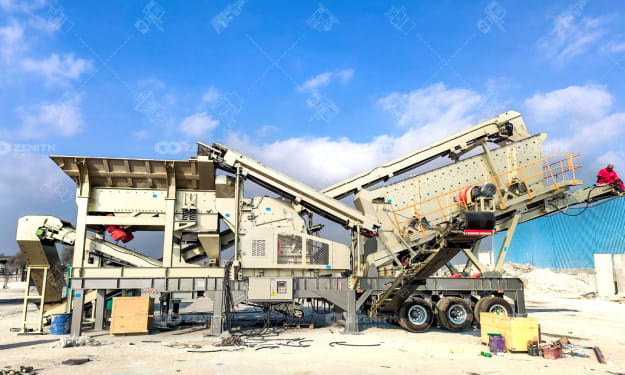
On-site processing eliminates intermediate transportation and handling costs associated with purchasing raw materials from remote quarries. Portable crushing and screening plants consolidate these savings further.
Annual energy costs for VSI crushers are 30-60% lower than competing technologies due to efficient torque transmission. Long-lasting wear parts and simple operation with infrequent component replacement keep maintenance budgets low over equipment lifespans.
Comprehensively considering capital investment, operating expenses and reduced raw material costs gives payback periods of 1-3 years for a typical sand making machine installation. Lifetime profitability increases further with the rising scarcity and price of river sand reserves.
Environmental Benefits
Limiting sand mining mitigates habitat destruction caused by riverbed extraction and coastal dredging. Supplying materials for construction uplifts environment protection goals.
VSI crushers reuse overburden and aggregates from excavation projects as feedstock. This circular economy approach conserves landfill space and land usage. Waste generation also minimizes with high material throughput and finished product ratios around 98%.
Stringent emission norms adherence by equipment manufacturers aids sustainability. Dust suppression systems and soundproof canopies curb particulate and noise emissions from plant operations. Overall, manufactured sand production better safeguards ecologically sensitive zones.
Technological Advancements
Advanced VSI crusher designs employ multiple rotors or centrifugal forces along a vertical central shaft to precisely shape aggregates during high-velocity impact. Screening accuracy improved with movable high-frequency screens.
PLC-based controls automate processes, reducing human errors while ensuring consistent output. Remote monitoring and diagnostics via internet connectivity lower downtime from rapid fault detection. IoT systems track plant performance, productivity and equipment health for predictive maintenance planning.
Modular, mobile units integrate these technologies into portable packages enabling on-site, on-demand deployment. Fully electric drives replace diesel engines, further cutting emissions. Advanced alarm systems enhance operator safety in busy work areas.
Ensuring Consistent Supply
Demand surges during housing booms or infrastructure projects strain conventional quarry and river extraction. Pre-positioning strategically located sand making operations aids managing seasonal fluctuations or meeting large single-project requirements.
Mobile plants offer deployment flexibility across diverse geologies. Stockpiling finished product and strategizing aggregate reserves supports maintaining steady supply through variability.
Collaborating between concrete producers, mining companies and equipment OEMs facilitates demand forecasting. Increased inventory visibility across integrated supply chains ensures consistent project execution even during natural disasters or unforeseen shortfalls.
Safety and Efficiency
Safe workspaces result from equipment guarding, emergency stops, illumination and signage as mandatory standards. Anti-vibration mounts and noise enclosures provide comfortable environments for personnel.
Preventive maintenance programs using remote diagnostics and OEM kits maximize uptime over long lifecycles. Automation and digitalization minimize human intervention risks while optimizing processes.
Ancillary units like magnetic separators and washing systems augment sand quality, minimizing rework. Compact footprints save real estate versus sprawling riverbeds. Overall, integrated manufacturing solutions enhance industrial hygiene.
Conclusion
As natural resources dwindle and regulations tighten, manufactured sand addresses the material shortfall through sustainable production. VSI crushers optimize performance attributes compared to conventional sources while lowering project and environmental costs.
Continued technology evolution ensures consistent, responsible supply through automation and digitization. With benefits of customized qualities, reliable outputs and total cost-efficiency, such plants play an ever-increasing role supporting global infrastructure growth.
About the Creator
5 Best Food Choices at Auto Shows
Attending an auto show is an exciting experience filled with gleaming vehicles, innovative technology, and hours of walking through massive exhibition halls. With so much to see, you need the right fuel to keep your energy levels high. Here are five of the best food choices to enjoy during your next auto show visit.
By Karter Odinabout 10 hours ago in Wheel
A Historic Declaration
We the People of the Husbands of the United States of America, in Order to form a more perfect Union, and I mean you...with me...establish Justice, insure domestic Tranquility, provide for the common defence, promote the general Welfare, and secure the Blessings of Liberty to ourselves, after Puberty, do ordain and establish this Declaration of Co-Dependence.
By Gerard DiLeo6 days ago in Humans



Comments
There are no comments for this story
Be the first to respond and start the conversation.