
The Ultimate Guide To Buying A Classic Car
Buying a classic car is an investment for most people. There are several options available depending on the type and condition of the car sought.
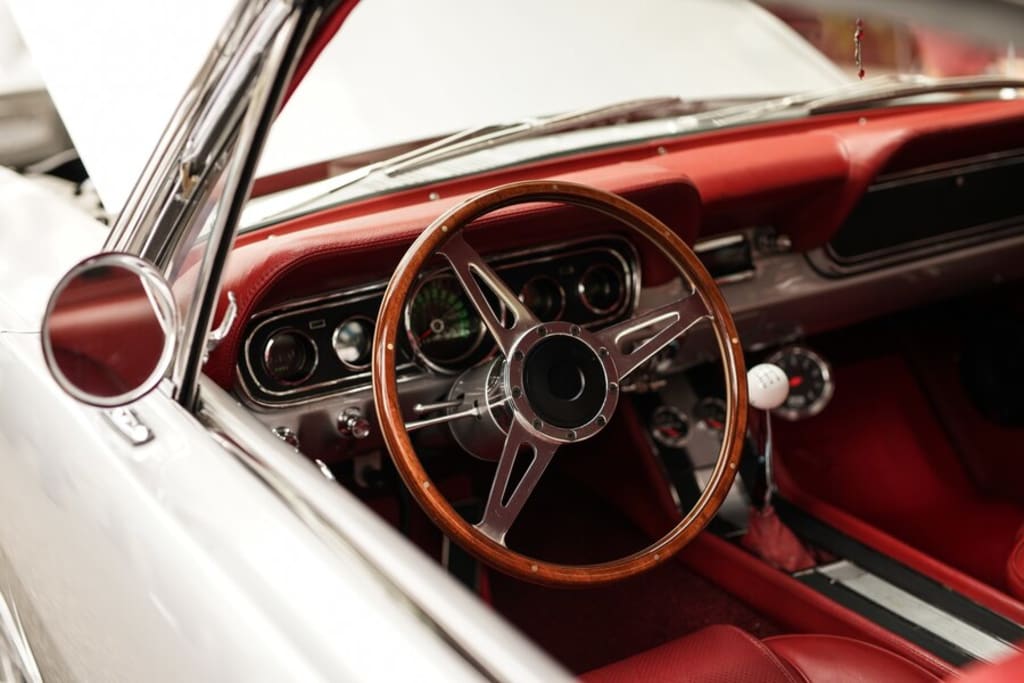
Whether a person is purchasing a classic car as their main mode of transportation, a show car or a fix-up project, there are several things to consider first.
Where To Look
Those who are looking for a restoration project may choose to look in a junkyard if their skills are superb; usually consulting a local mechanic is the best way to find a list of classic cars for sale. Plenty of classic cars are also sold on the internet, listed either in forums, on Ebay or on Craigslist. While some people purchase a car from the internet without seeing it first, this is a bad idea when purchasing a classic car, especially if the car will be the person’s main transportation. Auctions are another common place to find classic cars.
Ask Questions
Most classic car owners are not going to include a Carfax report, so asking questions is important. It is best to compose a list of questions and ask them all at one time. Before bombarding the owner with questions, the interested consumer should walk around the car and inspect it carefully on the outside and especially under the hood. Asking the owner to start the car is recommended; meanwhile standing behind the car, the tailpipe should be observed closely for any discolored or foul smoke coming out. The owner should be willing to either let the consumer drive the car or provide an escorted ride. When pulling out, an interested buyer should note the spot where the car was sitting for any puddles indicating leaks. During the test drive a person should listen for odd sounds and shaking or pulling in the steering wheel. After a test drive the owner should be able to provide some form of repair diary or record for the vehicle; if not, the buyer should look elsewhere unless the car is intended for restoration.
Take It To A Mechanic
If the test drive goes well, there is no damage and the owner seems to be trustworthy, the buyer should take the car to a trusted mechanic for a general inspection before making a purchase. This may prove to be the deciding factor for purchasing the vehicle. Mechanics will not only inspect the car for signs of damage and potential problems, but also they are usually able to spot parts that are not supposed to be in the car. Many times an owner will try to add parts or repair parts on a classic car themselves. Unfortunately several people end up putting the wrong part in the car, which may create a future problem. Sometimes the problems are quickly and easily fixed; a mechanic will be able to provide concrete answers and often charge less than $100 for an inspection, making it well worth the investment.
Lease Vs Buy
Leasing vs. buying depends on your personal and financial situation. When leasing was first introduced, businesses were the primary markets. They leased fleets of vehicles, gave them as company perks, and then returned the vehicles at the end of the lease period.
Then, leasing was introduced to the consumer, which could allow you to drive a higher end car, with little money down, and pay a modest monthly payment. In some leases, most major maintenance was also covered under the lease. But which option best suits your situation? We have discussed the pros and cons of leasing vs. buying below.
buying
Pros: Buying your vehicle means that someday you may own it and no longer make monthly car payments. At anytime, you have the right to trade it in or sell it. Typically, insurance rates are lower and there are no mileage restrictions.
Cons: The downside of buying is the immediate depreciation realized once you drive it off the lot – all vehicles lose their value, particularly in the first couple of years (between 20% to 40%). Compounded with the down payment that is usually required at the time of purchase and a higher monthly payment means more out-of-pocket dollars.
You could find yourself in an “upside-down situation” which means you owe more on your car than its value. If you’re in an accident and your car is totaled, the insurance company will only pay the vehicle’s market value, which could be considerably less than what you actually owe on the loan. You could be in a situation where you have to pay on a car that you no longer own.
Leasing a vehicle
Pros: The upside is your out-of-pocket dollars are lower – both upfront and on a monthly basis. Under a lease, you’re only paying for use of the car for a certain period of time (generally 36-48 months) instead of paying for the cost of the vehicle; therefore, you will not find yourself in an upside-down situation as discussed above.
Leasing also allows you to drive a higher end vehicle that might not otherwise qualify for a loan. Most banks will not lend more than $30,000 on a car loan. If you’re looking at a vehicle above that amount, leasing may be your only option.
If you are a business owner, leasing may be a tax advantage if it is used for business purposes.
Cons: The downside is that generally, you will always have a monthly payment on a vehicle that you’ll never own. There are some lease options, however, that allows you to “buy-out” the vehicle at the end of the lease period.
Mileage restrictions can be a huge drawback, particularly if you drive a great deal during the year. Most leases have mileage restrictions between 12,000-15,000 miles/year. The penalty can be between 20-25 cents/mile over the restriction.
Insurance rates can also be higher on leased vehicles. Also, if you die before your lease ends, your estate could be responsible for the remainder of the lease. If you are strapped for cash, you might consider buying repo cars for sale, because they are cheaper then buying used cars.
About the Creator
Keep reading
More stories from Grand Prairie and writers in Wheel and other communities.
Masons and Brick Layers Are Not Same Professions
The requirements and duties of mason and bricklayers are overlapped. Commonly bricklayer may be touted as a mason but a mason cannot be called as bricklayers. The difference between them comes under the level of the skill between them. No particular terms can be used to differentiate bricklayer from mason but they vary in the technique used by them. Mason is educated with more technique than bricklayers whereas bricklayers are educated only in the traditional ways. They do not know any advanced techniques.
By Grand Prairie9 months ago in Wheel
Why Putrajaya Remains One of the World’s Least Known Government Cities
When people think of Malaysia, the bustling skyline of Kuala Lumpur usually comes to mind. The famous Petronas Twin Towers dominate postcards and travel brochures, symbolizing the country’s modern progress. Yet, few outside Southeast Asia realize that Malaysia’s administrative heart is not Kuala Lumpur at all. Instead, the country’s government operates from a quieter, carefully designed city known as Putrajaya.
By Irshad Abbasi a day ago in Wheel




Comments
There are no comments for this story
Be the first to respond and start the conversation.