
The Role of ADAS Calibration in Accident Prevention?
Learn how ADAS calibration enhances road safety by ensuring accuracy in driver-assist systems. Discover its importance in accident prevention and vehicle maintenance.

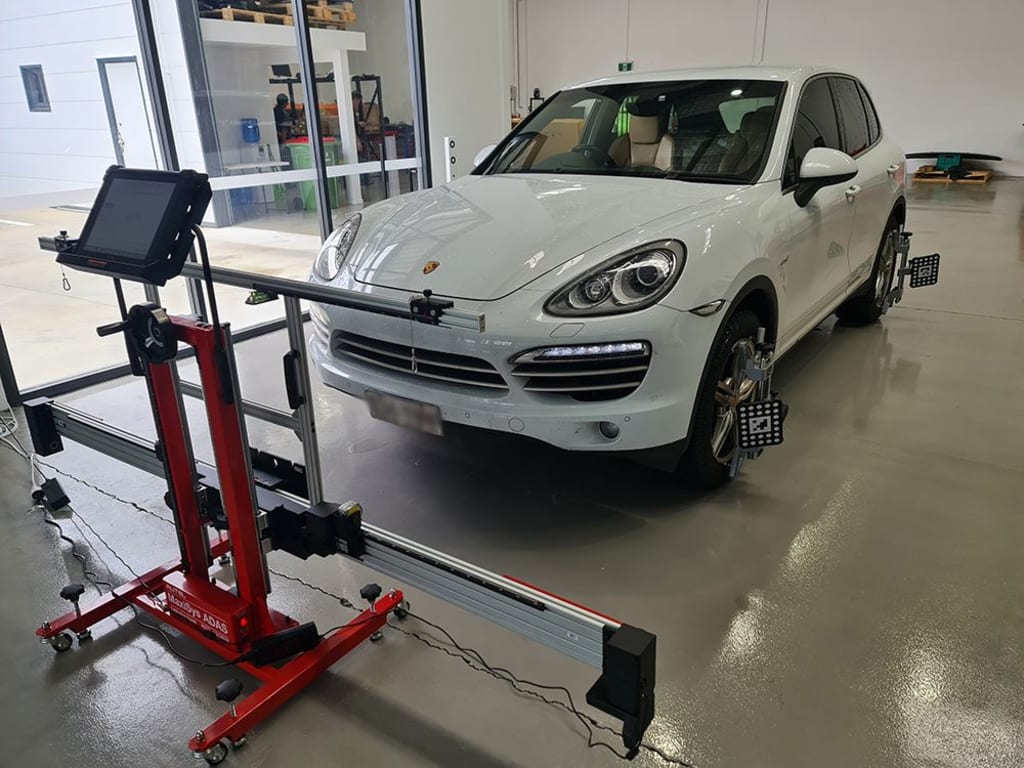
Advanced Driver Assistance Systems (ADAS) have revolutionized modern vehicles, making roads safer and reducing human errors. These systems include features like adaptive cruise control, lane departure warnings, and automatic emergency braking. ADAS Calibration Services ensure that these systems function correctly, maintaining their effectiveness in preventing accidents. However, for these systems to work effectively, proper calibration is essential. Without accurate calibration, ADAS features may fail, leading to potential hazards rather than preventing them.
What is ADAS Calibration?
ADAS calibration refers to the precise adjustment of cameras, sensors, and radar systems that assist drivers. Vehicles with ADAS rely on these components to detect surroundings, recognize obstacles, and react accordingly. Calibration ensures that these elements function as intended, providing accurate data to the vehicle’s computer. Any misalignment or incorrect configuration can lead to false readings and compromised safety.
How ADAS Calibration Helps Prevent Accidents
Accuracy in Detection
ADAS systems depend on high precision to detect pedestrians, other vehicles, and road markings. If a sensor is slightly off, it can misinterpret distances, causing delayed reactions or unnecessary braking. Proper calibration ensures that the system detects objects with the right accuracy, preventing potential collisions.
Maintaining Lane-Keeping Assist Efficiency
Lane departure warning and lane-keeping assist rely on correctly aligned cameras. If these cameras are not calibrated, the system might not recognize lane markings properly, leading to unintended lane drifts. Accurate calibration allows the system to provide timely alerts and interventions when a vehicle starts veering off its lane.
Optimizing Adaptive Cruise Control
Adaptive cruise control helps maintain safe distances between vehicles by adjusting speed automatically. If the sensors are misaligned, the system may misjudge the distance between cars, either failing to slow down in time or braking unnecessarily. Calibration ensures that distance calculations remain precise, reducing the risk of rear-end collisions.
When is ADAS Calibration Needed?
After Windshield Replacement
Many ADAS systems have cameras mounted on the windshield. If a windshield is replaced, the camera positioning may shift slightly, affecting the system's accuracy. Recalibration ensures that the camera provides reliable input to safety features like automatic braking and lane assistance.
Following Collision Repairs
Even minor accidents can disrupt the alignment of ADAS sensors. A small impact on the front or rear bumper can alter radar positioning, making recalibration necessary. Without proper alignment, the vehicle might detect obstacles incorrectly, increasing accident risks.
Suspension or Tire Changes
Adjustments to a vehicle’s suspension system or tire size can alter its height and angle, affecting sensor readings. Since ADAS relies on specific angles and distances for accurate detection, recalibration is required whenever such modifications are made.
Regular Maintenance Checks
While manufacturers specify recommended intervals for ADAS calibration, routine checks can help catch misalignments early. Periodic inspections ensure that the system operates at peak efficiency, providing continuous safety benefits.
The Risks of Skipping ADAS Calibration
Increased Accident Probability
A misaligned ADAS system can misinterpret road conditions, causing incorrect alerts or failing to react in time. This increases the likelihood of accidents, putting both drivers and pedestrians at risk.
False Warnings and Unnecessary Braking
Improper calibration can lead to frequent false alarms, where the vehicle mistakenly identifies obstacles that aren’t there. This can result in sudden braking or erratic driving behavior, frustrating the driver and increasing the chance of rear-end collisions.
Legal and Insurance Issues
Many insurance providers require vehicles with ADAS to be properly calibrated following repairs. Ignoring calibration could lead to claim denials or legal issues in the event of an accident. Ensuring proper system function not only enhances safety but also helps drivers comply with regulations.
How ADAS Calibration is Performed
Static Calibration
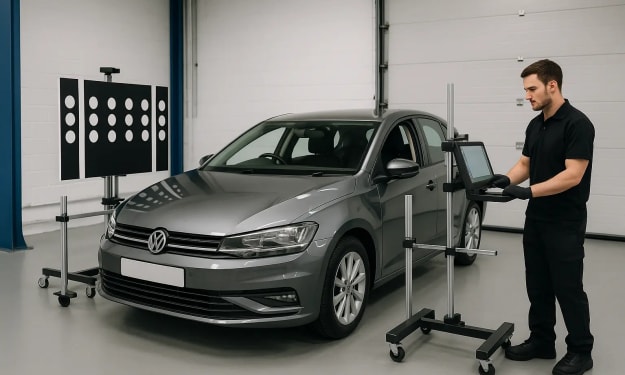
Static calibration is conducted in a controlled environment, such as a specialized workshop. The vehicle is positioned on a flat surface, and precise calibration tools, including target boards and laser systems, are used to adjust the sensors. This method ensures accurate alignment without the need for real-world driving conditions.
Dynamic Calibration
Dynamic calibration involves driving the vehicle under specific conditions to allow ADAS systems to self-adjust. This process requires driving at a certain speed and maintaining specific distances to help sensors recalibrate themselves. Both static and dynamic calibration methods are often combined for optimal results.
The Future of ADAS and Calibration
As automotive technology advances, ADAS features are becoming more sophisticated. The integration of artificial intelligence and real-time data processing will make calibration even more crucial. Future vehicles may require automated recalibration systems, reducing human error and improving overall road safety.
Final Thoughts
ADAS calibration plays a vital role in ensuring vehicle safety and accident prevention. Without proper calibration, these advanced systems may not function as intended, increasing the risk of collisions. Regular calibration checks, especially after repairs or modifications, help maintain accuracy and efficiency. As technology continues to evolve, staying proactive with ADAS maintenance will be key to safer driving experiences.
About the Creator
Adaptive Adas Calibration
Adaptive ADAS Calibration is Los Angeles' top ADAS-certified shop, ensuring precise sensor alignment for safety features like lane departure warnings, collision avoidance, and adaptive cruise control.
Keep reading
More stories from Adaptive Adas Calibration and writers in Wheel and other communities.
How Accurate ADAS Calibration Helps Maintain Vehicle Safety?
What Is ADAS and Why It Matters Advanced Driver Assistance Systems (ADAS) have become a standard part of modern vehicles. These systems support drivers by using cameras, sensors, radar, and software to improve on-road awareness and reaction times. Features like lane departure warnings, blind-spot monitoring, and automatic emergency braking depend on precise calibration to work properly. In the middle of a busy city like Los Angeles, where traffic is constant and unpredictable, ADAS calibration Los Angeles services are more critical than ever. Inaccurate calibration can lead to delays in reaction time, misread distances, or missed obstacles—putting everyone on the road at risk.
By Adaptive Adas Calibration7 months ago in Lifehack
Top 10 Pickup Trucks Every Aussie Should Consider in 2026
Choosing the right pickup truck can make a huge difference in daily life, whether you’re hauling gear for work, towing a trailer, or exploring the Australian outback. With 2026 just around the corner, several models are standing out for their performance, reliability, and features. In this guide, we’ll cover the top 10 pickup trucks that every Aussie should consider this year, helping you to pick the right vehicle for your daily life and long-term plans.
By Alec Johnson5 days ago in Wheel
Car Rental in Dubai for Tourists vs Residents: Key Differences
Both can legally rent cars, but the documentation required, insurance, rental costs, deposit requirements and legal obligations are very similar. Tourists often rent short term with more deposits and less insurance flexibility, while residents are at a lower rate, monthly rent, and better insurance. Understanding these differences can save you hidden charges, fines and coverage gaps.
By Sarath Menon5 days ago in Wheel


Comments
There are no comments for this story
Be the first to respond and start the conversation.