
The Prius Puzzle: Why No Other Hybrid Has Matched Toyota’s Success
Others did try, though.


Actually, Toyota was pretty bold when they came out with the Prius. Back then, most people didn’t really understand what a hybrid engine even was, let alone believe in it. So yeah, you could say Toyota was a pioneer—but more than that, they were the ones who kicked it off. Because they started early, they were better prepared and slowly earned the public’s trust. Other manufacturers were still hesitant to jump on the hybrid train, and honestly, I get why. A couple of decades ago, hybrids still felt kind of futuristic or overly complex, so it makes sense that some companies weren’t ready to take that leap. But Toyota took the risk anyway.
From what I know, the Prius didn’t have an easy ride at first. People didn’t trust it right away, which totally makes sense given the time. If another carmaker had tried releasing a hybrid in the late ’90s, they probably would’ve gotten the same reaction—confused looks and a lot of skepticism. Back then, regular gas-powered cars were still seen as more than good enough.
The Prius came about because people were starting to worry more about fuel efficiency and emissions, and gas prices were going up—especially in big markets like the U.S. That made its great fuel economy a huge selling point.
But I think some manufacturers are still hesitant to put hybrid systems in their models because, to them, it’s still kind of new. Maybe they’re still haunted by the whole GM EV1 thing, one of the early mass-produced EVs that didn’t exactly end well. If the tech wasn’t fully ready back then, it makes sense that other carmakers didn’t trust it—even for partial use in hybrid setups.
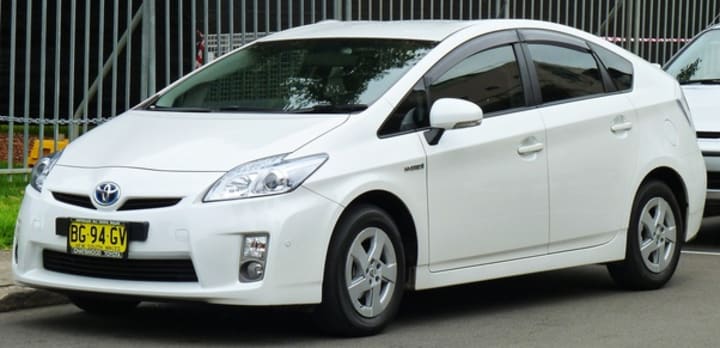
As far as I know, the Prius only really took off with the Gen 3 model—that’s when people started to trust it, especially in developed countries. Basically, it hit the sweet spot for folks who needed good mileage, and by that time, the tech had finally caught up. In the early 2000s, there was a lot of progress in hybrid tech—it started to become relevant and more sophisticated.
I think hybrids have become popular in recent years because EV technology has shown it can actually work. Now that EVs and hybrids can coexist, people are more open to them. A few decades ago, that wasn’t the case. Most other manufacturers didn’t want to take the risk.
Toyota, on the other hand, was bold. Most likely, other car companies weren’t as brave because they didn’t want to gamble on unproven tech. I mean, if you were a GM or Ford exec in the '90s, you probably wouldn’t have been too quick to jump on hybrids either—the tech just wasn’t there yet, or at least not efficient enough. Toyota took a risk, and it paid off. They became the go-to brand for hybrids while others held back, maybe out of fear of failure or just because they didn’t have the tech ready.
Honestly, I think a lot of manufacturers didn’t even see hybrids as necessary back then. It’s only in the last decade or so, with EV development picking up and systems getting more efficient, that hybrids started looking like a smart move. Back then, companies might’ve worried that consumers wouldn’t trust a hybrid or wouldn’t want to deal with something new and complex. So, they just didn’t bother. Only when it became clear that hybrid tech was reliable did others slowly start to follow.
And even though Honda and a few others had hybrid versions of their popular models, it really feels like the Prius was the only one that cracked the code and made it big. Other brands did have hybrids, but no one really followed Toyota's lead seriously—and that’s probably why the Prius is still the name everyone thinks of when they hear “hybrid.”
About the Creator
Pinesthi Mukti Rizky Wibowo
Hi, my name is Eky and here I will write about automotive and other things, most of the writing will be taken from my personal Quora or Medium account. Most of my writing is curated from my Quora account which I have more than 4,000 answers
Keep reading
More stories from Pinesthi Mukti Rizky Wibowo and writers in Wheel and other communities.
What Went Wrong with the Toyota FJ Cruiser?
Not everyone’s into classic design. From what I know, Toyota made the FJ Cruiser to bring back the spirit of the old Land Cruiser FJ but with a modern twist—and it seems like not everyone was a fan. Back in the early 2000s, there were a lot of modern-retro cars, but it was kind of a niche thing. Plus, the FJ Cruiser wasn’t exactly cheap, and in some ways, it wasn’t much different from other Land Cruisers, which were arguably better—or at least had more universally accepted designs. I guess the retro look just isn’t for everyone.
By Pinesthi Mukti Rizky Wibowo9 months ago in Wheel
The Real Cost of Owning a Car in 2026 — What Most Drivers Don’t Expect
Owning a car has long been seen as a symbol of convenience and independence. For many people, it is simply part of daily life. You buy a car, pay for fuel, and drive where you need to go. However, as we move into 2026, the true cost of owning a car is becoming more complex than many drivers expect. While the purchase price often gets the most attention, it is usually the ongoing and less obvious expenses that slowly influence your finances year after year. Understanding these costs can help drivers make smarter decisions and avoid financial surprises.
By Austin Peck6 days ago in Wheel




Comments
There are no comments for this story
Be the first to respond and start the conversation.