
The Most Hated Versions Of Everyone’s Favorite Cars
Even reliable car nameplates have a few bad apples. Here are the worst versions of everyone's favorite vehicles.
Daily life in America involves a lot of cars. You have to drive to go to work, drive your kids to and from school, get some groceries for the family, or take a road trip across the country. People depend a lot on vehicles, so it’s only natural that their favorite ones are the ones that have a reputation for being dependable as well.
- The most popular cars have these defining qualities:
- They’re reliable to do what you want them to do all the time
- They’re affordable in terms of general price, fuel consumption, and maintenance costs.
- They’re easy to drive and can get you anywhere without issues.
There are a lot of vehicle brands and nameplates that check these boxes, and they have become best-sellers for a reason. However, even these best-selling vehicles are not immune to having bad years and issues. Sometimes, a change or an overhaul can do more harm than good, which is what we’ll explore today.
In this article, we’re going to be looking at the worst versions of some of the most beloved cars in the U.S. These are the models that drivers have a shared feeling of regret and frustration for, especially if they thought they were buying that vehicle with all the good qualities in mind.
Here are the hidden headaches to avoid:
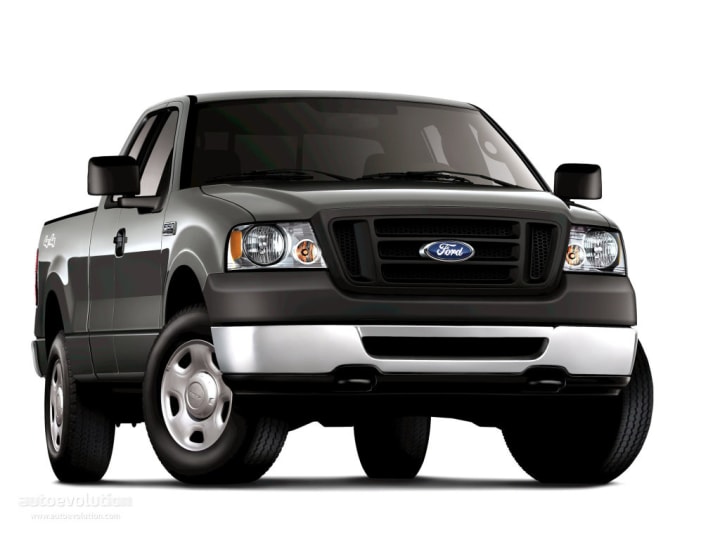
1. Ford F-150 – 2004
Known by Americans as the nation’s favorite truck, it has been a best-seller in its segment for decades now. It has built an image for itself as a tough and strong workhorse. These assumptions are often correct about the F-150, but it didn’t hit the target in 2004.
What Went Wrong:
Spark Plug Trouble: Spark plugs would snap off during removal, making an easy repair cost up to hundreds or even thousands of dollars.
Fuel System Problems: Some trucks stalled or had poor performance due to fuel pump failures.
Rust Issues: Owners complained about rust on the underbody and wheel wells, especially in areas where salt is used on roads during winter.
This model was the first of a new generation and unfortunately came with many growing pains.
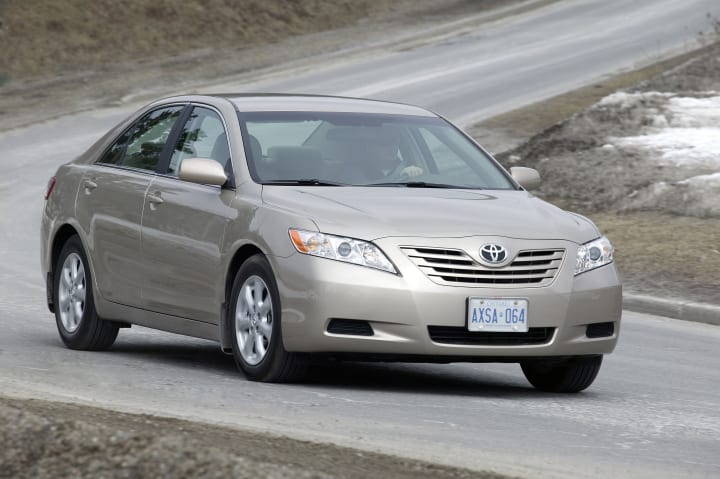
2. Toyota Camry – 2007 Model
The Toyota Camry is known for being a smooth, reliable, and long-lasting car. It's often the go-to choice for people who want a worry-free ride. But the 2007 version didn’t meet that high standard.
What Went Wrong:
Excessive Oil Use: Many owners said the car burned oil too fast, sometimes within a few hundred miles after an oil change.
Transmission Issues: The transmission often shifted poorly or even failed early.
Dashboard Problems: In warmer states, the dashboard would melt or become sticky from the heat.
Although Toyota later fixed these issues, this 2007 Camry stands out as a rare flop in a line of otherwise strong vehicles.
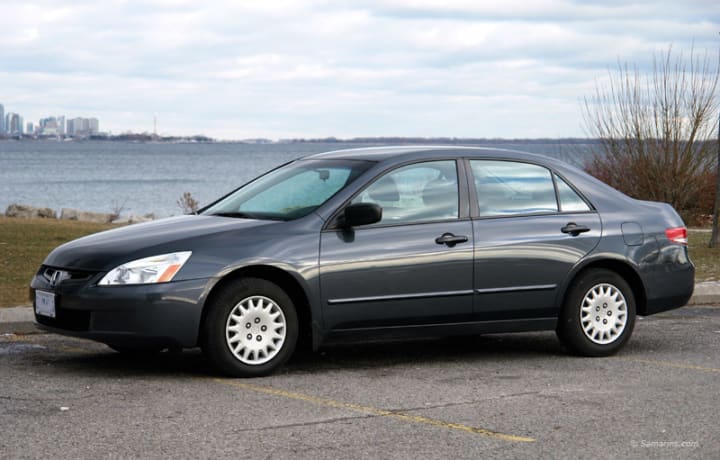
3. Honda Accord – 2003 Model
The Honda Accord has always had a solid reputation for being reliable and long-lasting. It’s one of the most common cars on the road today. However, the 2003 Accord had serious transmission issues, making it one of this model's worst years.
What Went Wrong:
Transmission Failure: Many drivers experienced transmission breakdowns at just 60,000 to 90,000 miles. Repairs were expensive and often not covered under warranty.
Airbag Recalls: Like many cars from the early 2000s, this model was affected by the massive Takata airbag recall.
Cheap Interior Materials: Compared to earlier versions, the interior didn’t feel as well-built or comfortable.
This model disappointed long-time Honda fans who expected more from such a well-known car.
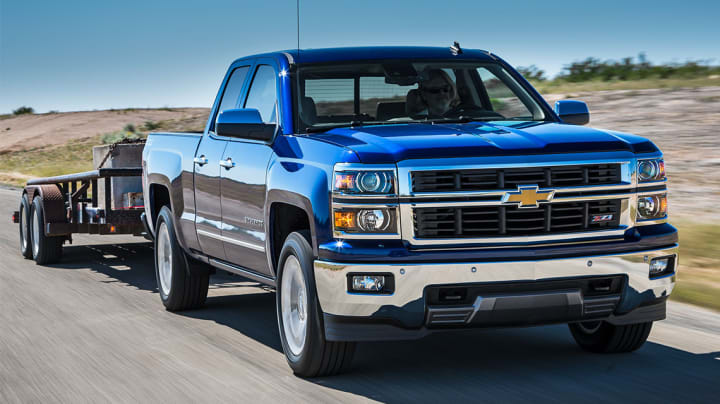
4. Chevrolet Silverado – 2014 Model
The Chevy Silverado is a strong, capable truck that has been one of the best-selling pickups for years. The 2014 model year, however, came with lots of issues, especially related to electronics.
What Went Wrong:
Electrical Problems: Owners reported flickering lights, broken radios, and touchscreens that would freeze or go black.
Ride Quality: The truck felt rough and uncomfortable on uneven roads, more so than older models.
Low Reliability Scores: Consumer Reports and other experts gave it low marks in overall reliability.
GM redesigned the truck for 2014, but many buyers felt like the changes came with more headaches than benefits.
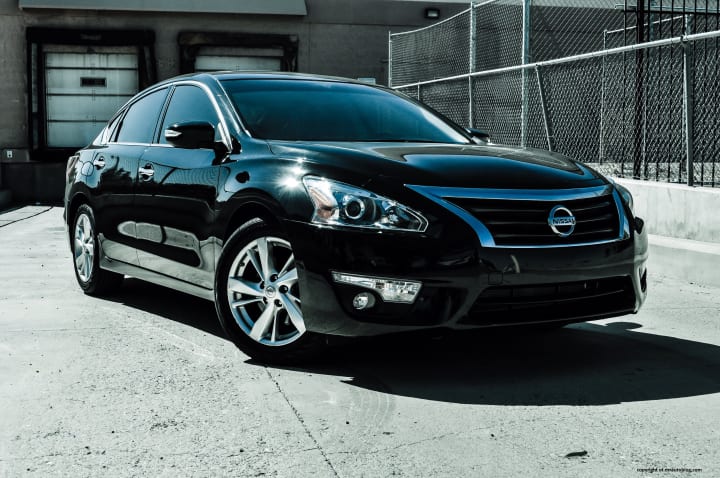
5. Nissan Altima – 2013 Model
The Nissan Altima is a popular sedan that’s often praised for its gas mileage and roomy interior. But the 2013 Altima had one big problem: its transmission.
What Went Wrong:
CVT Issues: The continuously variable transmission (CVT) was slow to respond and would sometimes stop working completely.
Suspension Problems: Parts like the control arms and bushings wore out too quickly, leading to clunks and poor handling.
Uncomfortable Seats: Many people complained that the seats caused back pain on longer drives.
Nissan eventually improved its CVT design, but the 2013 version is still remembered for all the wrong reasons.
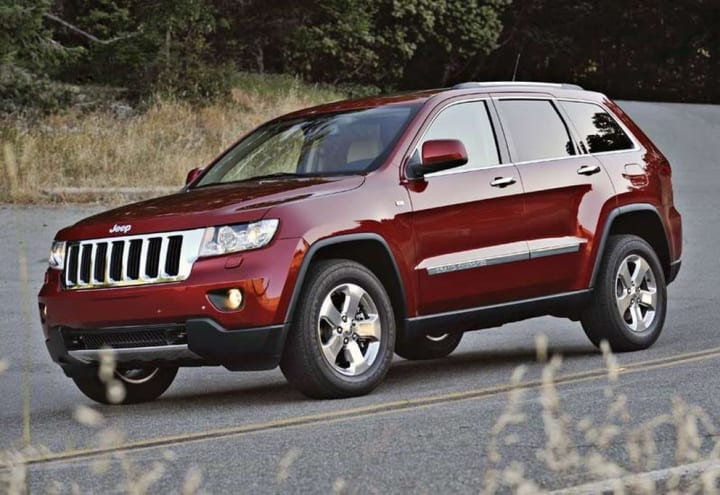
6. Jeep Grand Cherokee – 2011 Model
The Jeep Grand Cherokee is a popular SUV with a rugged design and off-road skills. The 2011 model was meant to kick off a new generation, but it didn’t go smoothly.
What Went Wrong:
Electrical Failures: This Jeep had serious electrical gremlins, from power windows and radio problems to the engine shutting off while driving.
Jerky Transmission: Shifting was rough and delayed, making the ride unpleasant.
Expensive Repairs: Owners reported frequent and costly repairs that quickly increased over time.
While later models were improved, the 2011 Grand Cherokee gave drivers more stress than adventure.
Even the most popular and best-selling vehicles in America have had their bad moments. These “worst” model years show that no carmaker is perfect. A redesign or a new part can sometimes lead to unexpected problems, especially if it’s rushed or poorly made.
If you're shopping for a used car, it’s important to research not just the brand and model, but the specific year as well. Some years are much better than others, even within the same generation. Avoiding these bad versions can help you save money, avoid stress, and drive with peace of mind.
It's better to get a reliable car immediately than get a faulty one that has you searching for reliable part suppliers, mechanics, and auto transport services.
About the Creator
Brandon Jon Yulolo
As a kid surrounded by car enthusiasts, I eventually found joy in exploring the design, performance, and engineering behind vehicles, turning that fascination into a growing pursuit as an automotive blogger.
Keep reading
More stories from writers in Wheel and other communities.
7 Cars You Should Never Buy Used in 2026
Buying a used car can be a smart way to save money, but not every vehicle holds up well over time. Some cars develop recurring mechanical issues, others come with expensive repair costs, and a few simply do not age gracefully. As we move into 2026, certain models and categories stand out as risky purchases in the used market. This article is not meant to criticize brands or owners, but to help buyers make informed decisions based on long-term reliability trends, ownership costs, and common complaints. Understanding which used cars to avoid can protect your budget and reduce stress after purchase.
By Austin Peck6 days ago in Wheel
Rego Hacks That Save Hundreds in 2026
Vehicle registration is one of those unavoidable expenses that many drivers accept without question, yet a closer look often reveals opportunities to save real money. As 2026 approaches, changes in transport policies, vehicle classifications, and digital systems mean drivers who stay informed can reduce rego costs legally and with minimal effort. Whether you own a daily commuter, a secondary car, or an aging vehicle you barely use, understanding how registration works can help you avoid paying more than necessary.
By Austin Peck5 days ago in Wheel
The Devil's Cut
“Comrade, finally you’re awake.” The voice was smooth, sensual. A flickering incandescent bar was all that lit the white, sterile room. All Vladimir remembered was everything going black. He tried to move his arms and found them strapped to the gurney.
By Matthew J. Fromm5 days ago in Fiction


Comments
There are no comments for this story
Be the first to respond and start the conversation.