
The Most Common Failures in Mini Cooper Cooling Systems: Causes and Solutions
Mini Cooper Cooling System Failure

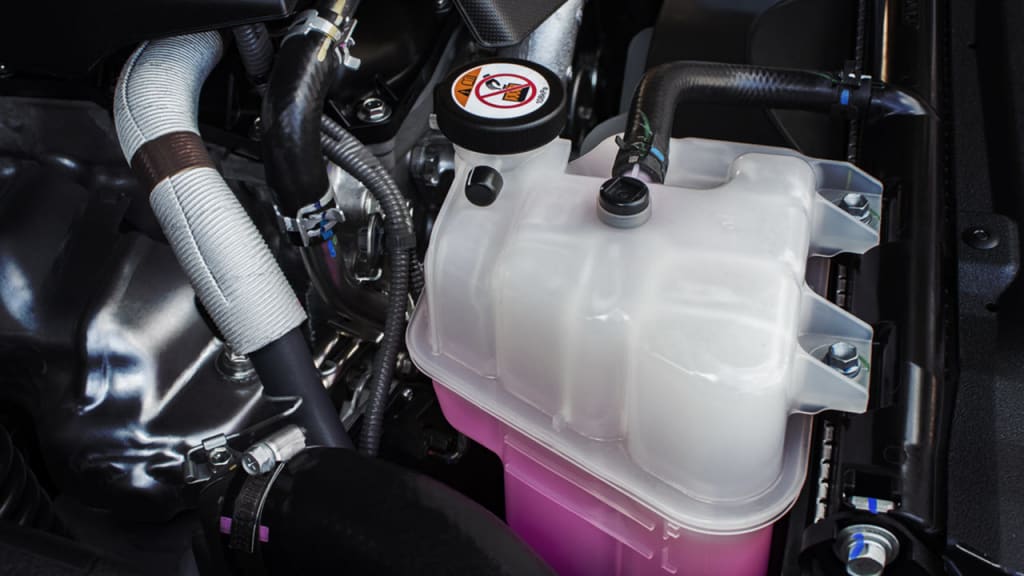
The cooling system in your Mini Cooper is crucial for maintaining optimal engine temperatures and preventing overheating. However, it’s not uncommon for issues to arise, especially as the vehicle ages or under certain driving conditions. Understanding the most common cooling system failures, their causes, and solutions can help you maintain your Mini Cooper's performance and longevity.
1. Common Cooling System Failures in Mini Coopers
Thermostat Failure
The thermostat regulates coolant flow to maintain optimal engine temperature. When it fails, it can cause overheating or prevent the engine from reaching its ideal temperature.
Symptoms:
Overheating engine.
Temperature gauge fluctuations.
Delayed heating from the cabin heater.
Cause: Wear and tear or debris affecting its operation.
Water Pump Malfunction
The water pump circulates coolant through the engine and radiator. A malfunctioning water pump can lead to inadequate cooling.
Symptoms:
Coolant leaks near the front of the engine.
Squealing or grinding noises from the engine bay.
Engine overheating.
Cause: Bearing failure or worn seals.
Radiator Issues
The radiator is responsible for dissipating heat from the coolant. Damage or clogs can significantly impact cooling efficiency.
Symptoms:
Coolant leaks.
Overheating during extended idling or hot weather.
Visible corrosion or damage to the radiator.
Cause: Physical damage, corrosion, or buildup of debris.
Expansion Tank Cracks
The expansion tank stores excess coolant and helps maintain system pressure. Cracks or leaks in this component are a frequent problem in Mini Coopers.
Symptoms:
Coolant pooling under the car.
Frequent need to refill coolant.
Low coolant warning light activation.
Cause: Heat-induced plastic degradation or manufacturing defects.
Coolant Hose Leaks
Hoses transport coolant between components. Over time, they can become brittle and develop cracks or leaks.
Symptoms:
Coolant dripping from the undercarriage.
Sweet smell of antifreeze.
Visible cracks or swelling in hoses.
Cause: Aging, heat exposure, or improper installation.
2. Diagnosing Cooling System Issues
Step 1: Check Coolant Levels
Inspect the coolant reservoir and ensure levels are within the recommended range. Low coolant may indicate a leak.
Step 2: Inspect for Leaks
Look under the vehicle and around the engine bay for coolant puddles or stains. Pay close attention to hoses, the radiator, and the expansion tank.
Step 3: Monitor Temperature Gauge
Keep an eye on the temperature gauge while driving. A sudden spike indicates a potential cooling system issue.
Step 4: Perform a Pressure Test
A cooling system pressure test can help identify leaks or weak points. This is typically done with specialized equipment available at professional service centers.
3. Solutions for Cooling System Failures
Thermostat Replacement
Replace a faulty thermostat promptly to restore proper coolant flow. Always use OEM or high-quality replacement parts for Mini Coopers.
Water Pump Repair or Replacement
A damaged water pump requires replacement to prevent further engine damage. Ensure the new pump matches your Mini’s specifications.
Radiator Maintenance
Flush the radiator to remove debris and improve efficiency. For severe issues, consider replacing the radiator entirely.
Fixing Expansion Tank Leaks
Replace cracked or damaged expansion tanks to restore coolant storage and pressure regulation.
Hose Replacement
Replace worn or damaged hoses with high-quality, heat-resistant options to prevent future leaks.
4. Preventive Tips to Avoid Cooling System Problems
Regular Inspections: Check coolant levels, hoses, and the radiator during routine maintenance.
Coolant Flushes: Replace old coolant with fresh fluid every 2-3 years to prevent buildup.
Monitor Warning Lights: Address low coolant or temperature warnings immediately to avoid further damage.
Use Genuine Parts: Stick to Mini Cooper-approved parts for replacements to ensure compatibility and longevity.
5. When to Seek Professional Help
Some cooling system issues can be resolved at home, but more complex problems, such as water pump failures or radiator replacements, require professional attention. Certified Mini Cooper technicians have the tools and expertise to accurately diagnose and repair issues, ensuring long-term reliability.
By staying proactive with maintenance and promptly addressing signs of cooling system failure, you can keep your Mini Cooper running smoothly and efficiently for years to come.
About the Creator
MotorHaus
Well, are you a BMW owner & finding it difficult to get a qualified mechanic for your car? Then visit us at MotorHaus located in West Palm Beach, FL as we are the most sought-after BMW and Mini repair & service specialist in the entire area
You Won't Believe How Easy it is to Get 100,000 Miles Between Brake Jobs
Most drivers are destroying their brakes prematurely — and it has nothing to do with speed. As a Master Mechanic for 25 years, I’ve seen every driving style imaginable. And nothing reveals a driver’s habits faster than how often they need brake work.
By Jack Martina day ago in Wheel
The Volkswagen T1 Camper Van Decanter Whiskey Bottle
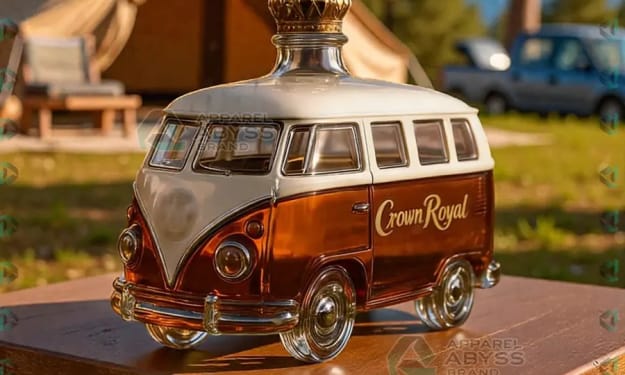
Get it on : https://apparelabyssbrand.com/product/volkswagen-t1-camper-van-decanter-whiskey-bottle/ The Ultimate Blend of Nostalgia and Spirits: The Volkswagen T1 Camper Van Whiskey DecanterFor decades, the Volkswagen T1 Camper Van—affectionately known as the "Bus" or the "Bulli"—has been a global symbol of freedom, adventure, and the "Van Life" spirit. Today, that iconic silhouette has found a new home: not on the open road, but on the top shelf of the world’s most stylish home bars. The Volkswagen T1 Camper Van Whiskey Decanter is a stunning piece of functional art that captures the heart of 1960s counter-culture and pours it into a glass of premium bourbon or scotch.A Design That Drives ConversationAt first glance, these decanters are a masterclass in detail.
By gia ton hanh4 days ago in Wheel


Comments
There are no comments for this story
Be the first to respond and start the conversation.