
The Honda Quality Paradox: Why Older Models Often Outlast Newer Ones.
We've seen a lot of old Hondas. Will the newer ones last?


Obviously, we’ve all seen it—or maybe even lived it: in a lot of countries, the first car people drive is a Honda. And they last. Toyota’s right there too, but Honda is still one of the big names. But why? Shouldn't all cars be basically the same? That’s what I used to think a few years ago.
Back in the '70s and '80s, Honda was trying to make a name for itself overseas. To do that, they made cars that were actually pretty solid—especially compared to some of the Hondas today. They knew they were the new kid on the block, going up against carmakers that had already been around forever. So, they built better cars—or maybe a better word is sensible cars.
What stands out to me about older Hondas is that they weren’t complicated. Sure, they sometimes had clever features and thoughtful designs, but they never went overboard. Toyota, on the other hand, felt a bit more stripped down and basic. I think that’s because Honda and Toyota had different philosophies. Maybe Honda figured features didn’t matter as much as durability—and they built their cars around that idea.
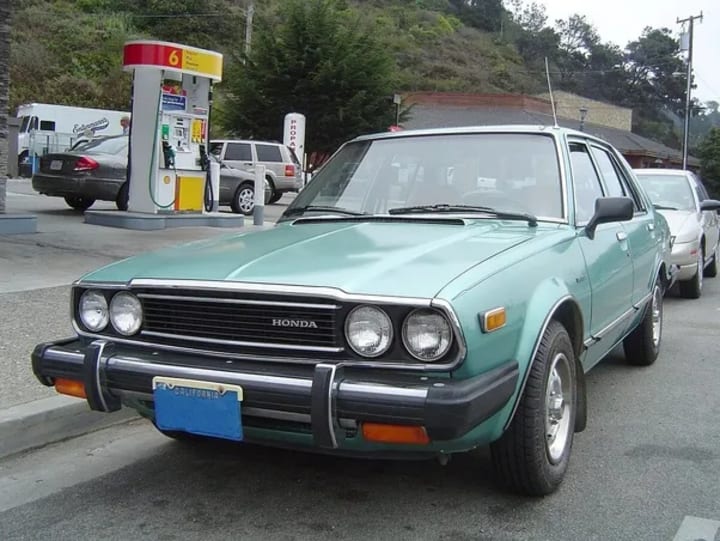
Take this 1980s Accord—it's basically unkillable, just like the old Civics. These things were built to last. Sure, the car might not be worth much now, but it was a statement from Honda. Back then, they were still trying to make a name for themselves, and people were starting to notice. Honda was pushing into the international market, but they were pretty cautious about what features they added to their cars. Kind of like how Toyota was back in the day—they only gave you what had already proven itself, stuff that built trust. You can really see that in the older Hondas.
That approach stuck around through the '90s. Honda kept it pretty conservative when it came to features, but the cars were super reliable. I think it was that combo of giving you just what you needed—nothing too fancy, nothing too outdated—along with solid build quality that made older Hondas so dependable. They were simple but not basic, practical without being boring.
My own experience with '90s Hondas backs that up. Around then, it felt like Honda was trying to stand out a bit more—adding new features, pushing innovation. Probably because the competition was heating up, and they needed to step up their game. But even with the new touches, their cars stayed tough and reliable.
That vibe continued into the early 2000s, though you could tell the quality was starting to slip a bit. I remember when Honda started using CVTs instead of the old 4-speed automatics in some models. Sure, CVTs might give better mileage and smoother performance, but they're harder to maintain and usually cost more to fix. You could just feel the difference in build quality—the interiors, the finishes—they weren’t quite as solid anymore. The cars still lasted, but not like the Hondas from a decade earlier.

Honda started to change in the early 2010s. It seems like they’d rather offer features (or, more accurately, gimmicks) than actual quality. I’ve noticed that newer Hondas feel more high-tech, but the build quality has taken a hit. I don’t really blame them, though—it's what most consumers want now.
I’ve driven the last-gen CR-V, and honestly, I wasn’t impressed. Compared to the CR-Vs from the 2000s, there’s a clear drop in quality. Instead of solid materials and simple functionality, you get a bunch of electronic features—stuff that most people seem to like, but not enthusiasts. And I get why. These days, people treat cars like disposable gadgets. Most folks aren’t buying a car to keep forever. Ten to fifteen years is probably the max now. The mindset has shifted—cars just aren’t seen the same way anymore. Not by everyone, sure, but you get the idea.
That shift might explain why Honda (and other manufacturers) is building different kinds of cars now—focusing more on flashy features than long-term quality. But no one’s really complaining. People seem to think more features automatically mean a better car, and stuff like build quality is starting to be overlooked. As long as we’re getting cool new tech, most people won’t care if the car itself feels cheaper.
But really, that’s just the market doing its thing. We keep expecting more tech and convenience, and since there's always going to be a newer model, quality takes a backseat. Throw in some corporate greed, and it’s easy to see why most new cars—not just Hondas—feel like they're built to a lower standard. Automakers still need to make a profit, and sadly, this is how they do it.
In the end, it’s all a trade-off. If you want a super durable car, you’ll probably have to settle for fewer features. And if you want all the fancy stuff, don’t expect it to last forever. That’s just how the auto industry works now—profits over quality, almost every time.
About the Creator
Pinesthi Mukti Rizky Wibowo
Hi, my name is Eky and here I will write about automotive and other things, most of the writing will be taken from my personal Quora or Medium account. Most of my writing is curated from my Quora account which I have more than 4,000 answers
Keep reading
More stories from Pinesthi Mukti Rizky Wibowo and writers in Wheel and other communities.
The Muscle Car Meltdown: Why Camaro and Mustang Sales Are Stalling.
A simple example is the Ford Mustang. A while back, people weren’t too happy when Ford dropped an inline-4 turbo engine into the Mustang. It didn’t really fit the image, and now that version has been discontinued. But that’s just how things are now—people have moved on to cars that are more economical. The days of V8 muscle cars dominating the streets are kind of over.
By Pinesthi Mukti Rizky Wibowo11 months ago in Wheel
Road Trips and the Reality of Animal Collisions
Road trips — what can be a better way to enjoy a holiday? Get together with your family or friends, pack all your things in your SUV or a van, load up some music you like, and set off for a big adventure. Driving through highways, watching the scenery change with little towns and mountains flying by.
By Michal Grayen2 days ago in Wheel
A Transparent Look at Vocal Challenges and Top Stories
Almost three years ago, we shared a resource article that served as a place for people to suggest new challenge prompts. We thought it would be a good idea to refresh that thread, and take the opportunity to answer a few common questions about top stories, how challenges are judged and how submissions are reviewed.
By Vocal Curation Team3 days ago in Resources




Comments
There are no comments for this story
Be the first to respond and start the conversation.