
The Future of Electric Vehicles
Revolutionizing Transportation

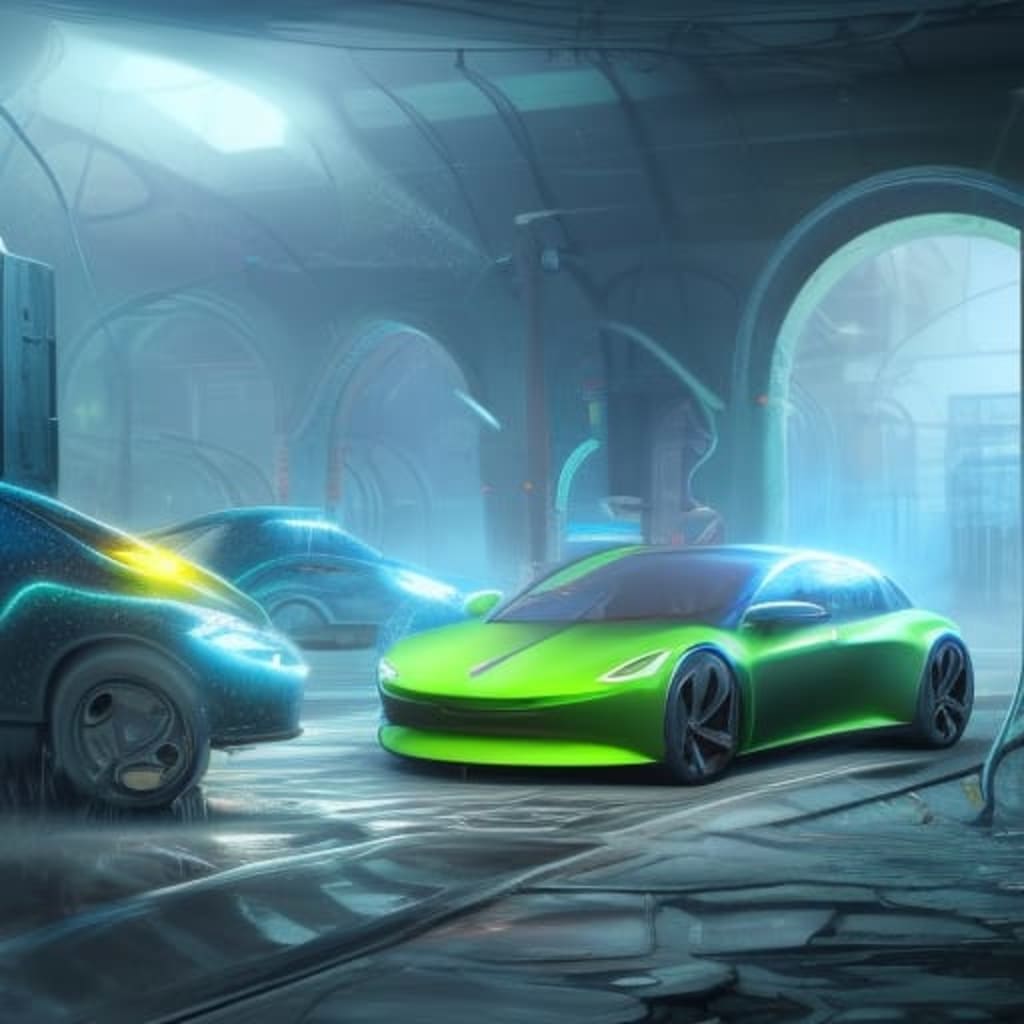
The automotive industry is undergoing a transformative shift as electric vehicles (EVs) gain momentum. With advancements in technology, electric vehicles are set to revolutionize transportation, offering numerous benefits to both the industry and the environment.We will now delves into the advancements in electric vehicles, their potential impact on the automotive industry, and the environment.From technological advancements to their positive effects on air quality and reduced carbon emissions, we will explore how electric vehicles are reshaping the way we think about transportation.
The Rise of Electric Vehicles:
Electric vehicles have witnessed significant growth in recent years, fueled by technological advancements, environmental concerns, and shifting consumer preferences. The development of efficient batteries, improved charging infrastructure, and increased range have all contributed to the rising popularity of EVs. As more automakers invest in electric vehicle production and governments promote their adoption through incentives and regulations, the future of transportation is becoming increasingly electrified. Major automobile manufacturers are heavily investing in EV production, aiming to meet the rising demand for clean and sustainable transportation.
Advantages of Electric Vehicles:
Electric vehicles offer numerous advantages over traditional internal combustion engine (ICE) vehicles. Firstly, they produce zero tailpipe emissions, reducing air pollution and combating climate change. Secondly, they are more energy-efficient, converting a higher percentage of electrical energy into actual propulsion. Additionally, electric vehicles require less maintenance due to the absence of complex components found in conventional vehicles, such as engine oil, spark plugs, and timing belts.
There are many advantages of electric vehicle, here are some:
1) Reduced Greenhouse Gas Emissions: As the transportation sector is a major contributor to greenhouse gas emissions, transitioning to electric vehicles plays a crucial role in reducing carbon footprints. EVs can be powered by renewable energy sources, such as solar or wind power, further reducing their carbon emissions and helping countries meet their climate goals.
2) Energy Efficiency: Electric motors are much more energy-efficient than internal combustion engines. EVs convert a significantly higher percentage of the energy stored in their batteries into actual power to propel the vehicle. In contrast, conventional vehicles lose a significant amount of energy as waste heat.
3) Lower Operating Costs: Electric vehicles have lower operating costs compared to gasoline or diesel-powered vehicles. Charging an EV is generally cheaper than refueling with gasoline, and maintenance costs can be lower due to fewer moving parts and no need for oil changes.
4) Energy Security and Independence: By reducing dependence on fossil fuels for transportation, electric vehicles enhance energy security. They allow for diversification in energy sources, including renewable energy, which can be produced locally, reducing reliance on imported oil.
5) Quiet and Smooth Operation: EVs produce less noise and vibration compared to internal combustion engine vehicles. This quieter operation contributes to reduced noise pollution, making EVs suitable for urban environments and enhancing the overall driving experience.
Technological Advancements:
Technological advancements in electric vehicles are paving the way for their widespread adoption. Battery technology has improved significantly, enhancing energy storage capacity and driving range. Rapid charging infrastructure is expanding, reducing charging times and increasing convenience for EV owners. Moreover, advancements in electric motor design and power electronics have led to improved performance and efficiency.
Environmental Benefits:
One of the most significant advantages of electric vehicles lies in their positive impact on the environment. Unlike internal combustion engines, electric vehicles produce zero tailpipe emissions, reducing air pollution and improving air quality. This plays a crucial role in combating climate change and mitigating the harmful effects of greenhouse gas emissions. Moreover, as renewable energy sources become more prevalent, charging electric vehicles with clean energy further enhances their environmental benefits.
Reduced Carbon Footprint:
The transportation sector is a major contributor to global carbon emissions. Electric vehicles offer a solution to reduce carbon footprints by relying on electricity, which can be generated from renewable sources. The adoption of EVs on a large scale has the potential to significantly decrease greenhouse gas emissions, helping countries meet their climate goals outlined in the Paris Agreement. Additionally, the integration of smart charging technologies and vehicle-to-grid systems allows EVs to play a role in stabilizing the electricity grid by providing energy storage and balancing capabilities.
Challenges and Solutions:
While electric vehicles show great promise, there are challenges that need to be addressed for wider adoption. These include the limited availability of charging infrastructure, the higher upfront cost of EVs compared to conventional vehicles, and the need for improved battery technology. However, governments, businesses, and technological advancements are addressing these challenges. Public and private investments in charging networks are expanding, incentives and subsidies are being offered to make EVs more affordable, and research and development efforts are focused on enhancing battery technology to improve range and longevity.
The future of transportation lies in the widespread adoption of electric vehicles. With advancements in technology and growing environmental consciousness, EVs are poised to revolutionize the automotive industry and reduce our dependence on fossil fuels. The benefits of electric vehicles extend beyond individual drivers to encompass cleaner air, reduced carbon emissions, and the potential for a more sustainable future. As we move forward, it is crucial for governments, businesses, and individuals to support the transition to electric vehicles and embrace the transformative potential they hold. The time for electric vehicles is now, and the future is electric.
About the Creator
Abdul Rehman
A new content writer with fresh articles and stories to entertainment the audience and to give them factual information. There will be varieties of different topics to read and people will learn new things from me
Keep reading
More stories from Abdul Rehman and writers in Wheel and other communities.
Exploring the Synergy of Robots and Cyborgs
The realm of robotics has captivated our imagination for decades, conjuring images of intelligent machines and advanced automation. However, the rise of cyborgs, the fusion of humans and machines, has added a new dimension to this futuristic landscape. We will now explore the this beautiful technology, exploring thier evolution,finding thier potential and understanding the relationship that holds the key to unlock the future.
By Abdul Rehman3 years ago in Futurism
The Ultimate Checklist Before Selling Your Car to a Wrecker
If your car has reached the end of its life or has serious damage, selling it to a wrecker can be a fast and convenient solution. Many car owners assume wreckers only provide scrap value, but professional wreckers often pay based on the condition and reusable parts of your vehicle.
By Alec Johnson5 days ago in Wheel
Why BMW Still Builds Inline-Six Engines When Others Don’t
For decades, most car manufacturers have moved toward smaller four-cylinder engines or compact V6 designs. They’re easier to package in modern cars, cheaper to build, and often simpler to fit into tight engine bays. Yet BMW continues to invest heavily in inline-six engines. From classic engines like the M54 to modern units such as the B58 and S58, the straight-six remains central to the brand’s identity. The reason isn’t nostalgia, it’s engineering.
By MT Auto Parts – BMW Specialists from the UK3 days ago in Wheel


Comments
There are no comments for this story
Be the first to respond and start the conversation.