
Exploring the Synergy of Robots and Cyborgs
Unleashing the Future

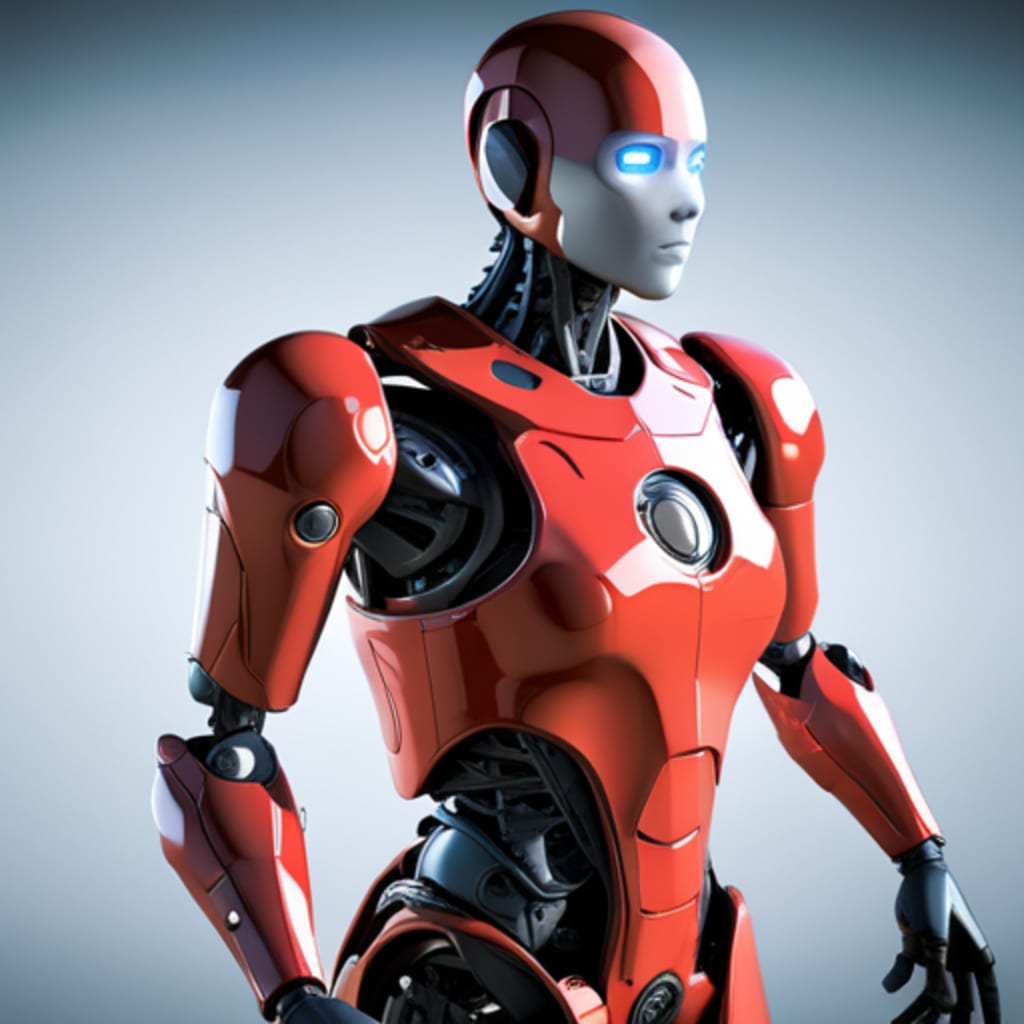
The realm of robotics has captivated our imagination for decades, conjuring images of intelligent machines and advanced automation. However, the rise of cyborgs, the fusion of humans and machines, has added a new dimension to this futuristic landscape. We will now explore the this beautiful technology, exploring thier evolution,finding thier potential and understanding the relationship that holds the key to unlock the future.
The Rise of Robots:
Robots have been steadily advancing, transitioning from mere factory automatons to sophisticated machines capable of complex tasks. With advancements in artificial intelligence, machine learning, and robotics, today's robots possess enhanced perception, dexterity, and adaptability. They are revolutionizing industries such as manufacturing, healthcare, and space exploration, streamlining processes, increasing efficiency, and expanding the boundaries of what is possible.
Embracing Artificial Intelligence:
Artificial intelligence (AI) has become the driving force behind the evolution of robots. Machine learning algorithms enable robots to learn from experience, analyze vast amounts of data, and make intelligent decisions. As AI continues to advance, robots are becoming more autonomous, capable of adapting to changing environments, and interacting with humans in increasingly natural and intuitive ways.
The Rise of Cyborgs:
While robots are reshaping industries, the concept of cyborgs introduces a fascinating fusion of human and machine. Cyborgs, or cybernetic organisms, blur the line between man and machine, integrating technology into the human body to enhance physical capabilities, cognition, or sensory perception. With the advent of wearable technology, prosthetics, and neural interfaces, humans can augment their abilities and overcome limitations, ushering in a new era of possibilities.
Enhancing Human Abilities:
Cyborg technology has the potential to enhance human abilities to unprecedented levels. From bionic limbs that restore mobility to individuals with disabilities, to neural implants that augment cognitive functions, the synergy between humans and machines opens a world of opportunities for personal empowerment and overcoming physical limitations. These advancements not only improve the quality of life for individuals but also have the potential to revolutionize sports, rescue operations, and various professions.
Overcoming Challenges and Ethical Considerations:
As the integration of humans and machines progresses, it raises important ethical considerations. Ensuring the safety, privacy, and autonomy of individuals is paramount. Transparency in the use of technology, informed consent, and robust regulations will be vital to addressing these challenges. Ethical discussions should also encompass the potential socio-economic impacts, as cyborg technology may create disparities between those who can afford enhancements and those who cannot. Many people are against of using this technology on humans and other animals because it can disturb the nature of life and some religious sects also reject this technology because it goes against the natural flow of life as they say.
Transforming Healthcare:
The marriage of robots and cyborgs has the potential to revolutionize healthcare. Robotic surgeons can perform precise procedures with minimal invasiveness, reducing risks and improving patient outcomes. Meanwhile, cyborg technology allows for personalized medicine, with wearable devices monitoring vital signs, delivering targeted therapies, and assisting in rehabilitation. The combination of robotics and cyborgs is poised to reshape the healthcare landscape, making it more efficient, accessible, and patient-centric.
Exploring New Frontiers:
Robots and cyborgs hold great promise for space exploration, where extreme conditions and vast distances present formidable challenges. Robots can be deployed as exploratory probes, performing tasks on distant planets and gathering data for scientific discovery. Additionally, cyborg technology can enhance astronaut capabilities, allowing for longer space missions and facilitating adaptation to extraterrestrial environments.
Fostering Human-Robot Collaboration:
The future lies not in humans or robots alone, but in the collaborative synergy between the two. Humans possess creativity, empathy, and intuition, while robots bring precision, efficiency, and tireless productivity. Embracing human-robot collaboration in industries such as manufacturing, logistics, and creative endeavors will yield unparalleled productivity, creativity, and innovation.
As there are many advantages but this technology can also be use for wars as we see that american military uses drones to attack at their enemy basses, they also use robots for doing different chores but their main research is on how to use robots in war.
The Use of Robots in Combat:
Robots are being deployed on the frontlines, performing tasks that were once the sole domain of human soldiers. Unmanned aerial vehicles (UAVs), commonly known as drones, are used for reconnaissance, surveillance, and even targeted strikes. Ground robots are employed for explosive ordnance disposal, removing the threat to human bomb disposal experts. These robots operate in hazardous environments, keeping soldiers out of harm's way while maintaining operational effectiveness.
Enhanced Situational Awareness and Intelligence:
Robots equipped with advanced sensors, cameras, and communication systems provide real-time situational awareness to military forces. They gather critical information, such as enemy positions, terrain mapping, and environmental conditions, enabling commanders to make informed decisions on the battlefield. Furthermore, robots can collect and analyze vast amounts of data, enhancing intelligence capabilities and facilitating strategic planning.
Improved Logistics and Support:
Robots are transforming military logistics by automating various tasks, such as supply chain management, transportation, and maintenance. Autonomous vehicles and drones can deliver supplies to remote locations, reducing the burden on human personnel and enhancing operational efficiency. Additionally, robots can assist with equipment maintenance, quickly identifying and resolving issues, ensuring that military assets are always mission-ready.
The future is being shaped by the remarkable progression of robots and cyborgs. As robots become more intelligent and adaptable, and as humans integrate technology into their bodies, the synergy between the two is transforming industries, healthcare, exploration, and our very definition of what it means to be human. Embracing this evolution responsibly, with a focus on ethics, privacy, and inclusivity, will enable us to unleash the full potential of this groundbreaking fusion. Together, robots and cyborgs are propelling us towards a future where human ingenuity and technological prowess coexist, opening a world of boundless possibilities.
About the Creator
Abdul Rehman
A new content writer with fresh articles and stories to entertainment the audience and to give them factual information. There will be varieties of different topics to read and people will learn new things from me
Keep reading
More stories from Abdul Rehman and writers in Futurism and other communities.
The Evolution of Voice Assistants
In recent years, voice assistants have revolutionized the way we interact with technology. From asking Siri for weather updates to commanding Alexa to play our favorite songs, these virtual companions have become an integral part of our daily lives. From the humble beginnings of Siri in 2011 to the widespread adoption of voice assistants like Alexa, Google Assistant, and others, the evolution of this technology has been nothing short of remarkable. In this article, we will delve into the history and progression of voice assistants, exploring their initial developments, advancements, and the impact they have had on various aspects of our lives.
By Abdul Rehman3 years ago in Futurism
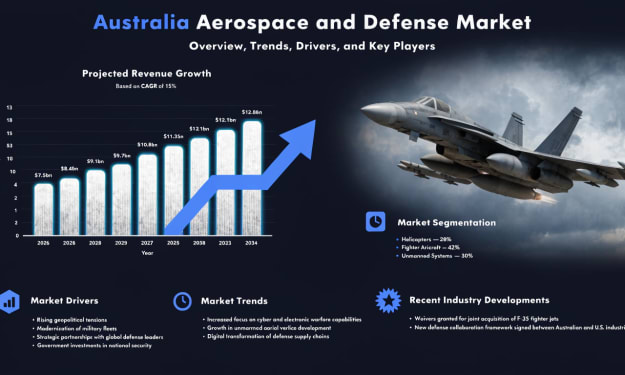
Australia Aerospace and Defense Market: Sovereign Defense Capability Development, Next-Generation Aerospace Systems & Integrated Security Infrastructure
According to IMARC Group, the Australia aerospace and defense market reached a value of USD 13.6 Billion in 2025 and is projected to reach USD 21.4 Billion by 2034, growing at a compound annual growth rate (CAGR) of 5.04% during 2026–2034. The market is expanding as Australia strengthens its national security framework and invests in advanced aerospace technologies and defense capabilities. Rising geopolitical considerations and evolving security challenges are encouraging governments to increase defense budgets and modernize military infrastructure. Programs focused on sovereign defense capability development are encouraging domestic manufacturing of defense equipment, aircraft systems and advanced military technologies. At the same time, collaborations between Australian defense agencies and international contractors are accelerating innovation and enabling technology transfer. Investments in next-generation aerospace systems, cyber defense technologies and satellite communication infrastructure are further supporting the growth of the aerospace and defense sector.
By Kevin Coopera day ago in Futurism
The Forsyth House Fire
Since 1851, Forsyth House has stood on the corner of Union Street and Gordon Street in the heart of Glasgow. Its iconic, or was... because on Sunday 8th of March, 2026, a fire broke out in a small, seemingly un-named shop in the building and tore all that history down. As I write, the rubble is still unsettled and the street is still blocked off. Central Station is quiet on the upper level, and around 30 small businesses have quite literally gone up in smoke.
By S. A. Crawforda day ago in The Swamp



Comments
There are no comments for this story
Be the first to respond and start the conversation.