
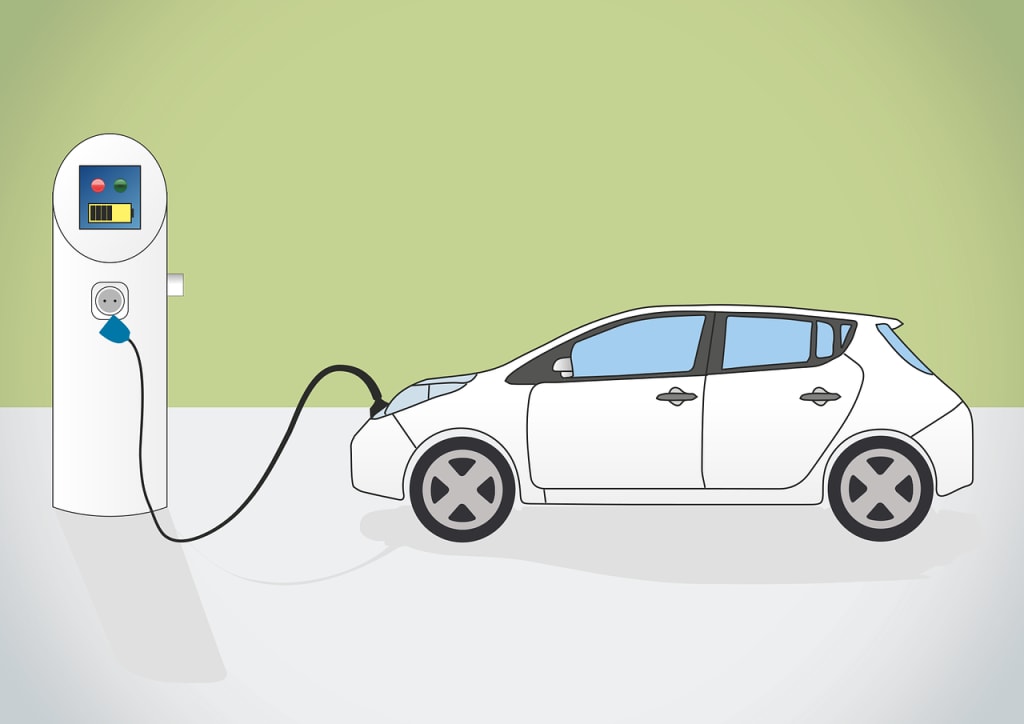
What is E-Mobility?
E-mobility, short for electric mobility, refers to the use of electric vehicles (EVs) and related infrastructure for transportation. This includes electric cars, buses, bikes, scooters, and any other vehicle powered by electricity rather than traditional internal combustion engines.
Why E-Mobility is the Future of Transportation
E-mobility represents a shift towards sustainable, low-emission transportation, driven by advances in technology and the urgent need to reduce carbon emissions. As the world grapples with climate change, the shift from fossil-fuel-powered vehicles to electric ones is becoming more critical than ever.
The Growth of E-Mobility in Recent Years
In recent years, the adoption of electric vehicles has skyrocketed. With more governments introducing incentives for EV buyers and automakers investing heavily in electric technology, the future of transportation is undeniably electric. The global e-mobility market is expected to grow exponentially, with millions of EVs on the road by 2030.
Key Technologies Driving E-Mobility
Electric Vehicles (EVs)
At the heart of e-mobility are electric vehicles. These vehicles run on electric motors powered by batteries, which produce zero emissions, making them a cleaner alternative to traditional vehicles.
Charging Infrastructure
Types of Charging Stations
To support the growing fleet of electric vehicles, various charging stations have been developed. These range from slow chargers, ideal for home use, to ultra-fast chargers, which can charge a car in under 30 minutes.
Smart Charging Systems
Smart charging systems allow for more efficient energy use by adjusting the charging speed based on grid demand. These systems are pivotal in ensuring that EVs don't overload the power grid during peak hours.
Battery Technologies
Lithium-ion Batteries
Lithium-ion batteries are the most common type used in electric vehicles today. They are lightweight, rechargeable, and offer a high energy density, making them ideal for powering EVs.
Solid-State Batteries
The future of battery technology lies in solid-state batteries, which promise to offer greater energy storage and safety compared to traditional lithium-ion batteries. They are seen as a game-changer for extending the range of electric vehicles.
Vehicle-to-Grid (V2G) Technology
V2G technology allows electric vehicles to not only draw power from the grid but also return stored energy back to the grid when needed. This bi-directional energy flow could transform how we manage energy during peak times and improve grid stability.
Environmental Impact of E-Mobility
Reduction in Carbon Emissions
One of the most significant benefits of e-mobility is the drastic reduction in carbon emissions. Unlike gasoline or diesel-powered vehicles, EVs produce zero tailpipe emissions, contributing to cleaner air and a healthier environment.
E-Mobility’s Role in Fighting Climate Change
The adoption of electric vehicles is a crucial component of global efforts to combat climate change. By reducing our dependence on fossil fuels, e-mobility helps lower greenhouse gas emissions, making it an essential part of the sustainable energy transition.
Challenges Facing E-Mobility
Charging Infrastructure Challenges
Despite the growth of charging networks, there are still significant challenges in building sufficient infrastructure to support the rising number of electric vehicles. Many regions lack the necessary charging stations, especially in rural areas.
Battery Production and Sustainability Issues
While EVs are environmentally friendly, the production of batteries is resource-intensive and has its own environmental footprint. Sourcing materials like lithium and cobalt can be harmful to the environment and workers if not managed responsibly.
Range Anxiety in Electric Vehicles
Range anxiety—the fear that an electric vehicle will run out of power before reaching a charging station—is one of the main concerns among potential EV buyers. However, advancements in battery technology and the expansion of charging networks are gradually alleviating this issue.
Government Policies and E-Mobility
Global Government Incentives for EV Adoption
Governments worldwide are offering incentives such as tax credits, rebates, and subsidies to encourage EV adoption. These policies aim to make electric vehicles more affordable and accessible to a broader audience.
Regulations Pushing for Zero-Emission Vehicles
Europe’s Green Deal
Europe is leading the charge with ambitious policies, including the European Green Deal, which aims to have zero emissions by 2050. This includes banning the sale of new gas-powered vehicles by 2035.
U.S. EV Tax Credits and Policies
In the U.S., the government is also stepping up its efforts with various tax credits for EV purchases and investments in charging infrastructure. States like California are implementing strict emission regulations, pushing the transition toward electric mobility.
E-Mobility in the Urban Environment
How Smart Cities are Embracing E-Mobility
Smart cities are at the forefront of the e-mobility revolution, integrating electric vehicles into urban planning. From EV-friendly public transportation systems to installing charging stations in strategic locations, cities are evolving to support electric transport.
The Role of Public Transport in E-Mobility
Public transport systems are increasingly incorporating electric buses and trains into their fleets. This shift reduces emissions and makes cities more livable by cutting down on noise and air pollution.
Future Innovations in E-Mobility
Autonomous Electric Vehicles
Autonomous driving technology is set to transform e-mobility by making electric vehicles self-driving. This combination promises safer, more efficient transport solutions in the future.
Wireless Charging for EVs
Wireless charging is an exciting innovation that could eliminate the need for plugging in vehicles. By embedding charging pads into roads or parking spaces, EVs can charge automatically when parked or even while driving.
Solar-Powered Vehicles
While still in the early stages of development, solar-powered electric vehicles could revolutionize transportation by reducing dependence on charging stations and fossil fuels altogether.
Artificial Intelligence in E-Mobility
AI is playing an increasingly vital role in optimizing the performance of electric vehicles, from improving battery efficiency to enabling self-driving capabilities.
For more tips & trick join NIDM
About the Creator
Keep reading
More stories from writers in Wheel and other communities.
Top 10 Pickup Trucks Every Aussie Should Consider in 2026
Choosing the right pickup truck can make a huge difference in daily life, whether you’re hauling gear for work, towing a trailer, or exploring the Australian outback. With 2026 just around the corner, several models are standing out for their performance, reliability, and features. In this guide, we’ll cover the top 10 pickup trucks that every Aussie should consider this year, helping you to pick the right vehicle for your daily life and long-term plans.
By Alec Johnson6 days ago in Wheel
A Dart at Dusk
Seconds ago, the sullen sun set on the two of us… my exuberant furry companion and me. A fresh breeze embraces us, delivering welcome relief from the day’s oppressive heat. His typical stumbling and staggering along — apace with a sloth — has turned into trip-trapping, high-stepping, almost skipping along.
By Angie the Archivist 📚🪶7 days ago in Petlife


Comments
There are no comments for this story
Be the first to respond and start the conversation.