
Sun-Powered Freedom: A Comprehensive Guide to Hooking Solar Panels to Your RV Batteries
Step-by-Step Installation, Component Selection, and Pro Tips for a Reliable Off‑Grid Power System

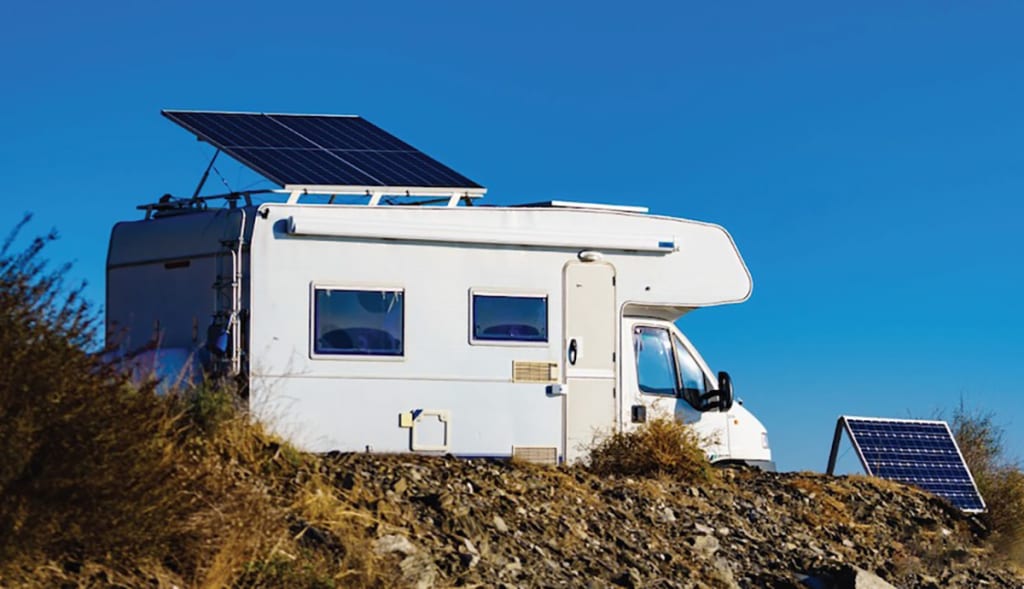
Transforming your RV into a self‑sufficient, off‑grid powerhouse starts with a well‑designed solar setup. By harnessing the sun’s abundant energy, you can extend your boondocking adventures, reduce generator run‑time, and enjoy silent, clean power wherever the road leads. In this guide, we’ll walk through every detail—from selecting panels and charge controllers to wiring best practices and system commissioning—so you can confidently hook your solar array to your RV battery bank. Whether you’re a DIY enthusiast or a first‑time installer, these professional insights will help you build a safe, efficient, and long‑lasting solar system.
1. Understanding Your Solar Power Components
Before breaking out your tools, it’s essential to know the key components of an RV solar system:
Solar Panels: Convert sunlight into DC electricity. Monocrystalline panels offer the highest efficiency; polycrystalline panels are more budget‑friendly.
Charge Controller: Regulates current from panels to batteries, preventing overcharge. Two main types: PWM (Pulse‑Width Modulation) and MPPT (Maximum Power Point Tracking). MPPT units are more efficient, especially in variable weather or partial shade.
Battery Bank: Stores energy for later use. Many RVers now choose lithium iron phosphate (LiFePO₄) batteries, such as those from RICHYE, for their high usable capacity (80–90 percent DoD), long cycle life, and lightweight design.
Combiner or Junction Box: Where multiple panel outputs merge before heading to the controller; simplifies wiring and protection.
Safety Devices: Includes inline fuses or DC breakers close to the battery, plus grounding equipment to meet electrical code and protect against faults.
Wiring & Connectors: Proper gauge wires minimize voltage drop; MC4 connectors are standard for panel interconnections.
2. Selecting the Right Solar Panels for Your RV
Panel Wattage and Quantity
Estimate your daily energy use in watt‑hours (Wh). For example, if you consume 1,500 Wh per day, factor in inefficiencies (≈20 percent) and divide by peak sun hours (usually 4–6 hours per day).
Required Array Size ≈ (1,500 Wh × 1.2) ÷ 5 h ≈ 360 W
Round up to the nearest standard panel size—two 200 W panels or three 120 W panels.
Panel Mounting Options
Rigid Roof‑Mounts: Secure and flush, but require roof penetration and sealant.
Flexible or Semi‑Flexible Panels: Conform to curved roofs, lighter weight, and adhesive‑mounted—ideal for vans or coach roofs with limited height.
Portable Panels: On‑the‑ground folding kits allow optimal sun angle and easy storage when not in use.
Choose mounts rated for wind and vibration; always use stainless‑steel hardware and marine‑grade sealant.
3. Choosing the Right Charge Controller
PWM vs. MPPT
PWM Controllers: Cost‑effective for small arrays; function like a simple switch, pulling panel voltage down to match battery voltage. Best used when panel voltage closely matches battery voltage.
MPPT Controllers: Continuously track the panel’s maximum power point, converting excess voltage into additional current. Typically 15–30 percent more efficient, especially valuable for higher-voltage panel arrays or cold climates.
Sizing Your Controller
Charge controller current rating (amps) should exceed the total panel current (Isc) by 25 percent:
Controller Size ≥ (Total Panel Isc) × 1.25
For example, two 200 W panels (Isc ≈ 12 A each) require:
(12 A + 12 A) × 1.25 = 30 A controller minimum
Round up to the next standard size (e.g., 40 A MPPT).
4. Wiring and Connector Essentials
Wire Gauge and Voltage Drop
To maintain system efficiency, aim for less than 3 percent voltage drop from panels to controller and controller to batteries. Use voltage‑drop calculators or tables:

For most RV roofs, 10 AWG is a good compromise; longer runs may require 8 AWG.
Connectors and Protection
MC4 Connectors: Standard, weather‑proof panel interconnects. Ensure proper ratchet crimping and strain relief.
Inline Fuse or DC Breaker: Place within 12 inches of the positive battery terminal.
Fuse size = controller maximum current rating × 1.25. For a 40 A controller: 40 A × 1.25 = 50 A fuse.
Grounding: Bond panel frames and metal racks to the RV chassis ground to prevent shock hazards, following NEC or local RV electrical standards.
5. Step‑by‑Step Hookup Guide
Plan and Measure: Confirm roof space, cable routes, and component locations (panels, combiner box, controller, battery bank).
Install Mounts and Panels: Secure roof mounts with sealant, fasteners, and backing plates. Attach panels, ensuring proper tilt where possible.
Wire Panels to Combiner (if used): Run branch circuits from each panel into the combiner box. Seal box penetrations and leave extra cable length for flexibility.
Run Cable to Charge Controller: Route cables through a grommeted penetration in the RV wall or ceiling. Use wire loom and cable clamps to prevent chafing.
Connect Controller to Batteries: Mount the controller close to the battery bank—within 2–3 feet—to minimize voltage drop. Install your inline fuse or DC breaker on the positive battery cable first, then connect negative, finally wiring to the controller’s battery terminals.
Connect Panels to Controller: Attach the MC4 outputs (or combiner outputs) to the controller’s solar input terminals, respecting positive and negative polarity.
Power Up and Configure: Once all wiring is complete, switch on the controller. Configure battery type (e.g., LiFePO₄ for RICHYE batteries), absorption voltage, and temperature compensation if available.
6. System Testing and Commissioning
Voltage Checks: Use a multimeter to verify open‑circuit panel voltage, controller input voltage, and battery voltage under load.
Controller Status Indicators: Ensure the controller detects sunlight and displays charging current. In MPPT mode, you should see charging amps close to panel short‑circuit current multiplied by efficiency.
Load Test: Run a known load (e.g., LED lights or a small DC appliance) and verify stable voltage and expected run‑time.
Review Alarms and Logs: If your controller logs historical data or faults, review the first 24 hours to catch wiring mistakes or shading issues.
7. Maintenance and Best Practices
Panel Cleaning: Dust, pollen, and bird droppings can reduce panel output by up to 20 percent. Clean panels quarterly with gentle soap and water.
Connection Inspection: Every six months, check MC4 connectors, fuses, and cable clamps for tightness and corrosion.
Battery Health: Monitor your RICHYE LiFePO₄ battery state‑of‑charge and cell balance via Bluetooth or display. Keep batteries between 20 percent and 90 percent SoC for optimal cycle life.
Shade Management: Trim overhanging branches and park to maximize unobstructed sun exposure. Partial shading can drastically reduce string output; consider micro‑inverters or MLPE (Module Level Power Electronics) for high‑shade environments.
Conclusion
A well‑executed solar installation not only cuts campground power bills and generator fuel costs but also elevates your RV lifestyle—providing quiet, sustainable energy wherever you roam. By carefully selecting panels, sizing and configuring an MPPT charge controller, using proper wiring practices, and performing routine maintenance, you’ll ensure a reliable off‑grid system tailored to your needs. Equipped with RICHYE’s premium LiFePO₄ batteries and these professional insights, you’ll enjoy years of effortless, sun‑powered adventures.
Now grab your tools, follow this guide, and let the sun fuel your next journey!
About the Creator
Richye Power
Discover RICHYE Battery, a leading lithium battery manufacturer renowned for excellence in performance and quality. Experience superior reliability and innovative solutions tailored to meet your specific needs.
Keep reading
More stories from Richye Power and writers in Wheel and other communities.
Harnessing the Power of Lithium Batteries for Commercial Floor Machines
Maintaining spotless commercial and industrial environments demands equipment that’s reliable, efficient, and cost-effective. Over the past decade, battery technology has undergone remarkable advancements, and today’s lithium-ion solutions are reshaping the way floor-cleaning machines operate. In this article, we’ll explore how modern lithium batteries elevate performance, safety, and sustainability for floor machines, and why RICHYE’s cutting‑edge offerings set a new standard in professional cleaning applications.
By Richye Power6 months ago in Lifehack
The Volkswagen T1 Camper Van Decanter Whiskey Bottle
Get it on : https://apparelabyssbrand.com/product/volkswagen-t1-camper-van-decanter-whiskey-bottle/ The Ultimate Blend of Nostalgia and Spirits: The Volkswagen T1 Camper Van Whiskey DecanterFor decades, the Volkswagen T1 Camper Van—affectionately known as the "Bus" or the "Bulli"—has been a global symbol of freedom, adventure, and the "Van Life" spirit. Today, that iconic silhouette has found a new home: not on the open road, but on the top shelf of the world’s most stylish home bars. The Volkswagen T1 Camper Van Whiskey Decanter is a stunning piece of functional art that captures the heart of 1960s counter-culture and pours it into a glass of premium bourbon or scotch.A Design That Drives ConversationAt first glance, these decanters are a masterclass in detail.
By gia ton hanhabout 13 hours ago in Wheel




Comments
There are no comments for this story
Be the first to respond and start the conversation.