
Start Your Car the Easy Way (Most Drivers Don't Know This Trick)
A Master Mechanic reveals a 5-second habit that makes your engine start easier every time

Cold starts are the hardest thing your engine ever does.
If you drive a gasoline-powered car or truck made since 1996, your fuel-injection system automatically tries to help by enriching the air-fuel mixture during startup — similar to how a choke worked on older carbureted engines.
But there’s a simple trick most drivers don’t know that makes starting easier and reduces wear on key components.
________________________________________
The Simple Trick (This Takes 5 Seconds)
Before you start the engine:
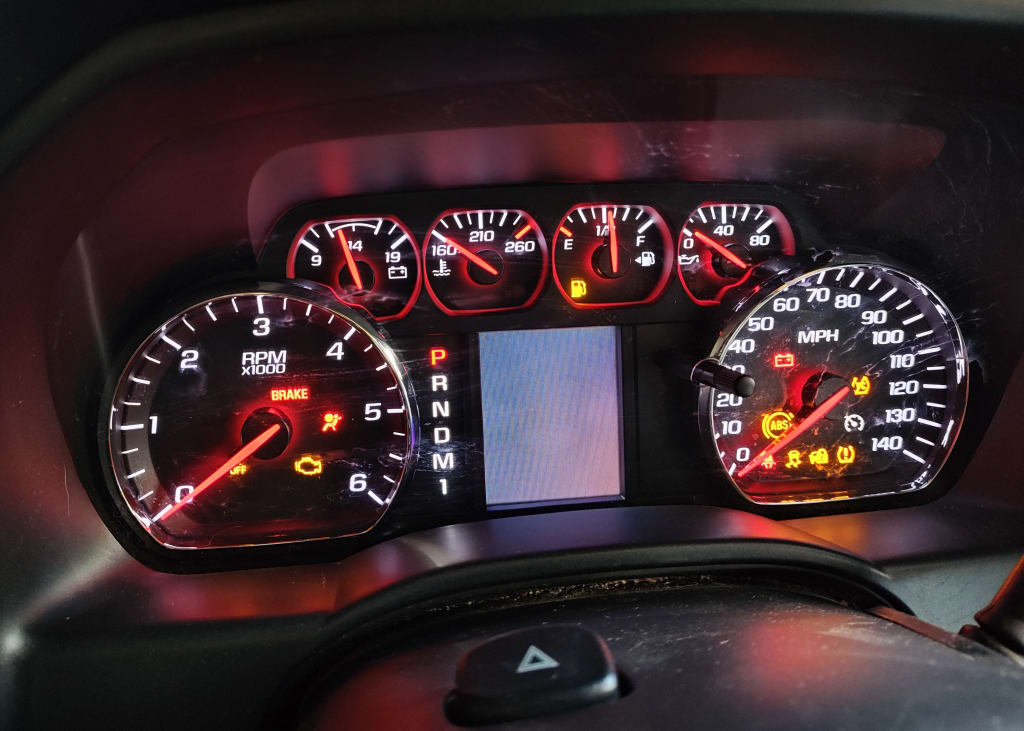
👉 Turn the key — or press the start button — just until the dashboard lights come on
👉 Do NOT crank the engine yet
👉 Wait about 5 seconds
👉 Then start the car normally
That’s it.
________________________________________
Why This Works
When you turn the ignition on (without cranking), the vehicle:
• Activates the fuel pump relay
• Runs the fuel pump for about 5 seconds
• Fully pressurizes the fuel system
• Purges air from the fuel lines
• Supplies full pressure to the fuel injectors
You can often hear the fuel pump briefly run if things are quiet.
By the time you crank the engine, the fuel system is already primed — making startup faster and easier.
________________________________________
What Happens If You Skip This Step (Cranks for Nothin’!)
If you crank the engine immediately:
• The fuel pump is still trying to build pressure
• The starter motor works longer than necessary
• The battery supplies higher current
• Excess heat builds in the starter circuit
Over time, this adds unnecessary wear to:
• Starter motor
• Battery
• Fuel pump
________________________________________
Push-Button vs Key Ignitions
• Key ignition: Turn the key forward just before the spring-loaded starter engagement
• Push-button ignition: Press the button without pressing the brake pedal
Both methods turn the ignition on without cranking.
________________________________________
Pro Tip #2: Diagnosing Cold-Start Problems
If this trick noticeably improves cold starts, that’s valuable information.
It often indicates a fuel delivery issue, such as:
• A restricted fuel filter
• A weak fuel pump
• A failing fuel pressure regulator
Start with the fuel filter — it’s cheap and easy, and replacing it regularly can dramatically extend fuel pump life.
Pro Tip #3: Starting a Fuel-Injected Car After Running Out of Gas
Have you ever wondered what the proper way is to restart a fuel-injected vehicle after running out of gas?
Once you’ve added at least a few gallons of fuel, do not immediately try to start the engine.
Instead, use the same key-on / no-crank method described above.
Turn the ignition on until the dashboard lights illuminate, but stop short of engaging the starter motor. Let it sit for about five seconds, then turn the key off. Repeat this process three or four times before attempting to start the engine.
This allows the fuel pump to fully prime the system and purge air from the fuel lines. If, on the third or fourth cycle, you no longer hear the fuel pump run, that’s actually a good sign — it means the system is fully pressurized and ready.
If you ever run out of gas, this simple step can save you from calling a tow truck or paying a mechanic to perform the exact same procedure.
________________________________________
Bonus Diagnostic Tip
This method also helps diagnose a dead fuel pump.
With the ignition on (engine not cranking):
• Listen for the fuel pump running briefly
• If you hear nothing:
o Check the fuel pump fuse
o Swap the fuel pump relay with a known good relay
o Test again
________________________________________
Why This Matters
Fuel pumps are usually:
• Buried inside the fuel tank
• Labor-intensive to replace
• Expensive
Anything that reduces stress on the fuel system helps your vehicle last longer.
________________________________________
Final Thought
This is a habit I’ve used for years — on every vehicle.
It takes five seconds, costs nothing, and:
• Makes starting easier
• Reduces component wear
• Can help diagnose fuel system issues early
So, try it out…
Your car might just spring to life a little easier.
About the Creator
Keep reading
More stories from Jack Martin and writers in Wheel and other communities.
The Key Reasons Why Businesses Use Professional Couriers To Handle Their Deliveries
In an era where speed, reliability, and customer experience can make or break a company, delivery is no longer just a back-end operational task. For many businesses, it’s a critical touchpoint that directly affects brand perception, customer satisfaction, and long-term growth. That’s why an increasing number of companies—ranging from small local shops to large enterprises—choose to work with professional courier services rather than handling deliveries themselves.
By Alexander Belsey6 days ago in Wheel


Comments
There are no comments for this story
Be the first to respond and start the conversation.