
It's Shockingly Simple to Connect a Car Battery Safely
A Master Mechanic explains battery safety in a way you will never forget

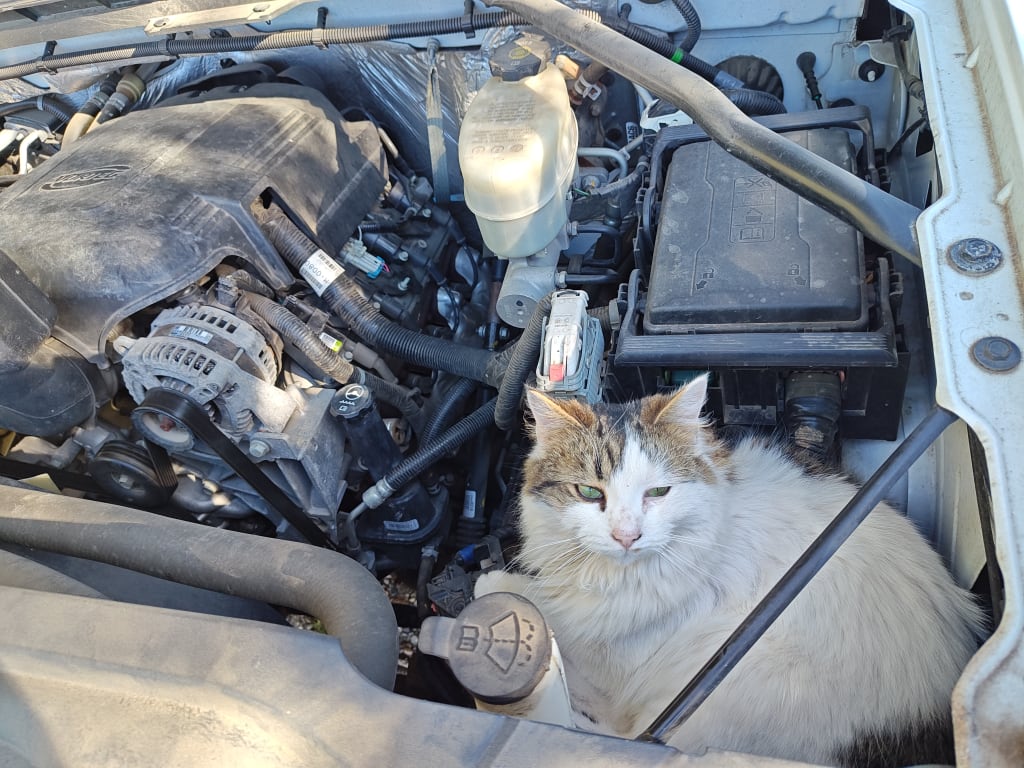
As a Master Mechanic, you spend a lot of time disconnecting, jump-starting, charging, or replacing car batteries. In modern vehicles, disabling the electrical system is often the first step of almost any repair.
That’s because today’s cars are packed with sensitive computers and control modules that do not tolerate electrical arcing.
Knowing how to safely handle a battery protects:
• You
• Your vehicle
• Expensive electronics
And it all comes down to one easy rule.
________________________________________
The One Rule That Keeps You Safe
Negative First Off. Negative Last On.
I remember it as: “First off / Last on.”
Why this works:
A 12-volt DC car battery can only shock you or arc if the circuit is complete — meaning the battery is grounded.
When the negative cable is disconnected, the electrical system is open.
No circuit. No spark. No danger.
________________________________________
Why This Matters (A Real Risk)
If you accidentally connect the positive and negative terminals — even with a wrench — you can:
• Create massive arcing
• Electrocute yourself
• Cause severe burns
• Trigger an explosion
This isn’t theoretical. I’ve seen it happen. NEVER USE A WRENCH LONG ENOUGH TO REACH BOTH BATTERY TERMINALS!
________________________________________
When to Disconnect the Battery (and Why)
1️⃣ General Mechanical Repairs
Even if you’re not working on wiring, disconnect the negative cable if you’re near:
• Starter motors
• Alternators
• Exhaust manifolds
• Valve covers
• Transmissions
• OR ANY component located near the starter, alternator, or battery
One slip against a live alternator terminal can ruin your day.
Disconnecting the negative cable takes two minutes and removes the risk.
________________________________________
2️⃣ Electrical Wiring Repairs
Any time you repair wiring:
• Disconnect the negative cable
• Make the repair
• Reconnect the negative cable to test
Simple. Safe. Effective.
________________________________________
3️⃣ Starter or Alternator Replacement
In these cases, I usually remove the battery completely and put it on a charger.
Why?
• A failed starter often causes high resistance before it dies
• A bad alternator may have already drained the battery
Both repairs benefit from a tested and properly charged battery
Process:
1. Negative cable off
2. Positive cable off
3. Battery removed and charged
When reinstalling: positive first, negative last.
________________________________________
4️⃣ Electronic Modules & Airbags ⚠️
Modern vehicles contain capacitors that hold power even after the battery is disconnected — especially airbag systems.
Training rule:
1. Disconnect the negative cable
2. Wait 5–15 minutes
3. Then begin work
This allows capacitors to discharge and prevents accidental airbag deployment.
👉 Always consult the manufacturer’s service manual before touching airbag circuits.
________________________________________
5️⃣ Jump-Starting a Dead Battery
Use the same principle: Negative last on. Negative first off.
Connection order:
1. Positive to dead car
2. Negative to dead car (last on)
3. Positive to jump car
4. Negative to jump car (last on)
Start the jump vehicle, let it run briefly, then start the disabled car.
Removal order is reversed:
• Negative off first
• Positive off last
________________________________________
6️⃣ Jumper Packs
Same rule applies:
• Connect positive first
• Connect negative
• Start vehicle
• Turn pack off
• Remove negative first, positive last
________________________________________
7️⃣ Battery Removal & Replacement
Removal:
1. Negative cable off
2. Positive cable off
3. Remove hold-down hardware
Installation:
1. Secure battery
2. Positive cable on
3. Negative cable on (last)
________________________________________
Why I Still Pause After 25 Years
Even after decades in the trade, I still stop and think:
Negative cable: First off. Last on.
I’ve seen:
• A frozen battery explode during a jump-start
• A mechanic lose a finger when his wedding ring touched a live starter terminal
Batteries are small — but they are not harmless.
If you remember one thing from this article, remember this:
A battery must be grounded to be dangerous.
Control the ground — and you control the risk.
About the Creator
Keep reading
More stories from Jack Martin and writers in Wheel and other communities.
How to Know When Your Car Needs Regular Maintenance
Keeping a vehicle in good condition requires more than just filling it with fuel. Car maintenance involves routine inspections of essential systems such as brakes, tires, engine, transmission, suspension, and fluids. Regular maintenance ensures your car performs efficiently, stays reliable, and reduces the chance of unexpected breakdowns. By maintaining your car proactively, you also extend its lifespan, reduce fuel consumption, and help minimize environmental impact. Understanding the importance of maintenance can save money in the long run and keep your driving experience smooth and stress-free.
By Austin Peck5 days ago in Wheel


Comments
There are no comments for this story
Be the first to respond and start the conversation.