
Simple Maintenance Tips to Prevent Tire Dry Rot
Prevent tire dry rot with these simple maintenance tips! Learn how to protect your tires from cracking and premature wear to keep them in top condition.

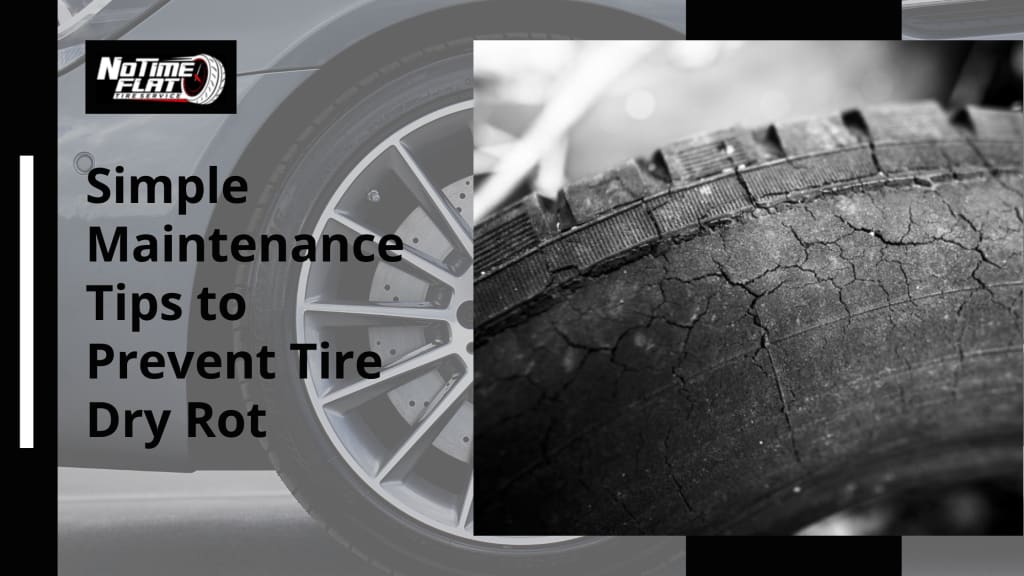
Tire dry rot is a common yet often overlooked issue that can risk the safety of your vehicle on the road. Visible cracks in the tread or sidewalls decrease the performance of your tires and cause dangerous blowouts. Factors like prolonged exposure to sunlight, inadequate tire pressure, or not using your vehicle might all contribute to this problem.
If you notice any signs of cracking or weathering, it's necessary to act quickly with tire services when needed. Scheduling a tire inspection with a professional can ensure your tires are in top shape, helping you drive with confidence and peace of mind. In this blog post, we’ll mention tire maintenance tips to help you prevent tire dry rot and extend the life of your tires.
What is Dry Rot on Tires?
Tire dry rot, also known as sidewall weathering, happens when the rubber in your tires starts to break down. Such degradation causes cracks in the tread and sidewall, fading colors, and difficulty maintaining proper tire pressure. Tires showing dry rot can develop holes more easily, increasing the risk of blowouts. If you see any signs of dry rot tires, it's important to avoid driving on those tires for your safety.
Factors Behind The Tire Dry Rot Condition
The damage that results in tire dry rot occurs due to natural wear and tear, as well as exposure to harsh environmental conditions. So, what causes dry rot in tires? Five main causes contribute to this problem: excessive sunlight exposure, low tire pressure, extreme temperatures, prolonged storage, and proximity to ozone-generating equipment.
These factors can break down the rubber compounds in tires quicker than usual, leading to cracking and other issues. Knowing these causes can help you take better care of your tires as well as extend their lifespan.
Identifying Possible Signs of Tire Dry Rot
You can easily spot signs of tire dry rot by inspecting your tires. Look for the following indicators:
- Brittle Surface: The tire feels harder than usual, and pieces may flake off when touched.
- Sidewall Cracks: Noticeable cracks that can extend over larger areas on the sidewall.
- Tread Cracks: Advanced dry rot may show cracks in the tire's tread pattern.
- Discoloration: The tire may lose its color and take on a grayish appearance.
If you observe these signs, it's advisable to have your tires assessed by a professional tire services expert.
Will it be Safe to Drive on Dry Rotting Tires?
Driving on tires that are experiencing dry rot is not safe. Regular inspections help you catch early signs of damage like cracks that may need tire repair or indicate a tire replacement. Dry rotting tires struggle to maintain air pressure, making them unsafe for driving.
If you need to drive on such tires, reaching a tire repair shop for an urgent assessment should only be possible. It's important to act quickly if you suspect your tires are affected by dry rot, as expert guidance helps you address the issue effectively.
Expert-Approved Tips for Preventing Tire Dry Rot
Taking good care of your tires is essential to avoid dry rot, which can lead to cracks and other forms of damage. Once you notice any deterioration, replacing the tires is best to prevent further issues.
By following proper tire maintenance practices, you can extend the life of your tires and keep them in safe condition. Here are tips to help you prevent tire dry rot.
1. Regular Inspections
Make it a habit to check your tires every month. Look closely at the sidewalls as well as tread for any signs of cracks, discoloration, bulges, or unusual wear. Early detection of these problems lets you address them before they worsen. Regular inspections assure your tires remain in good shape and safe for driving.
2. Park in the Shade
Prolonged exposure to sunlight is one of the major causes of tire dry rot. Whenever possible, you can park your vehicle in the shade to minimize UV damage. If you need to park outside for a long time, consider using tire covers to protect them from the sun. Keeping your vehicle in a garage is the best option, but if that's not available, tire covers are a great alternative.
3. Clean and Protect Your Tires
Keep your tires clean by washing them once a month with water and mild dish soap. Such a hassle-free cleaning method won't harm the rubber and will help maintain their condition. After washing, ensure rinsing them well to remove any soap residue. Regular cleaning helps protect against dirt and grime that can lead to deterioration over time.
4. Avoid Harsh Chemicals
When cleaning your tires, be careful about the products you use. Avoid any petroleum-based cleaners, as they damage the rubber and accelerate dry rot. Instead, opt for water-based cleaning solutions that are gentler on tire materials. Always check product labels to confirm they are safe for your tires and follow the manufacturer's instructions for proper use.
5. Maintain Proper Tire Inflation
Check your tire pressure monthly with a tire pressure monitoring system to ensure they are inflated to the levels recommended by your vehicle's manufacturer. Underinflated tires can wear out quickly and generate excess heat, leading to cracking and potential tire failure. Keeping your car's tires properly inflated is one of the most important steps for prolonging their lifespan as well as ensuring safety on the road.
6. Watch for Overloading
Every tire has a specific load capacity, which includes the weight of the vehicle as well as any additional cargo. Avoid exceeding this capacity, as overloading can put too much stress on your tires, leading to cracking and possible tire failure. Always be aware of how much weight you are adding to your vehicle to maintain tire integrity and performance.
7. Care for Vehicles in Long-Term Parking
If you need to store a vehicle like a vintage car or trailer for a long time, follow these guidelines. If possible, lift the vehicle off the ground using jack stands to relieve pressure from the tires. Store it out of direct sunlight and cover it to protect against harmful UV rays. Moving the vehicle every few months can also help redistribute the weight and prevent flat spots on the tires.
8. Proper Tire Storage
When storing tires for an extended period, such as winter or summer tires, follow the best practices for storage. Ideally, keep them mounted on their wheels and store them off the ground using hooks or shelves. Tire storage service providers have reliable methods to maintain their shape and prevent deformation. Proper seasonal tire storage techniques can extend the lifespan of your tires, ensuring they are ready for use when needed.
Invest in Tire Services for a Safe Journey Ahead, Preventing Tire Dry Rot!
Treating your tires with the same care and attention you give to your vehicle is essential for safe driving. By implementing these maintenance tips shared above, you can greatly reduce the risk of sidewall weathering and extend the life of your tires.
If you notice any cracks or signs of wear, remember to contact a reputed tire repair shop for a professional evaluation. Remember, well-maintained tires improve your vehicle's performance and ensure your safety on the road.
About the Creator
No Time Flat
Top-notch tire services and quality tires at No Time Flat in Jenison, MI. Whether you need tire installations, repairs, or maintenance, we've got you covered.
Keep reading
More stories from No Time Flat and writers in Wheel and other communities.
The Role of Tire Tread Depth for Semi Trucks in Saving Costs
Tires are not just rubber; they are the crucial link between your semi truck and the road. Proper tire tread depth is crucial for safety, efficiency, and cost savings. With high-quality tires available through commercial tire sales, you can choose the ones that boost performance and extend mileage. For fleet managers and drivers, monitoring tread depth isn't just about adherence—it's about keeping your vehicle safe and avoiding unnecessary expenses.
By No Time Flatabout a year ago in Wheel
Self-Driving Cars
If you watched the 2004 Will Smith film ‘I Robot’, you’ll know that a minor plot point is that cars in this future are, by default, self-driving. They can still be driven manually, but this is considered a risky choice which only Smith’s character chooses to do, due to being a fan of such ‘retro’ choices. When his car is wrecked during an attack late in the film, his boss assumes that he crashed due to driving manually (the one time in the film he actually wasn’t). At the time of the film’s release, self-driving cars must have seemed hugely futuristic to help to sell the future setting.
By Joe Morgan3 days ago in Wheel
The Ultimate Checklist Before Selling Your Car to a Wrecker
If your car has reached the end of its life or has serious damage, selling it to a wrecker can be a fast and convenient solution. Many car owners assume wreckers only provide scrap value, but professional wreckers often pay based on the condition and reusable parts of your vehicle.
By Alec Johnson4 days ago in Wheel


Comments
There are no comments for this story
Be the first to respond and start the conversation.