
Simple Guide to Detecting and Preventing Tire Cupping
Prevent tire cupping with these tips on detection, prevention, and maintenance for a smoother and safer driving experience. Keep your tires in top condition!

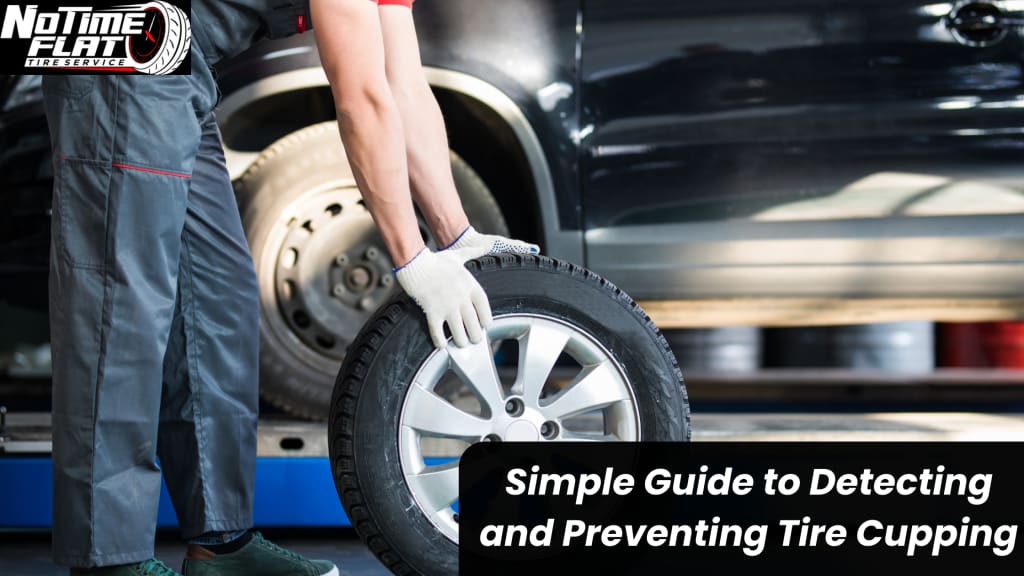
Tires are the only part of your vehicle that touches the road, so keeping them in good condition is crucial for your safety and comfort. Imagine driving down the highway and feeling a strange vibration or hearing an odd noise from your tires. These could be signs of tire cupping, a common but often overlooked issue. Tire cupping not only affects the performance and safety of your vehicle but can also lead to costly repairs if not addressed promptly.
Understanding what tire cupping is, how to detect it early, and how to prevent it can save you from a lot of hassle. In this guide, we'll break down everything you need to know about tire cupping in a clear, straightforward manner.
Whether you're a seasoned driver or new to car maintenance, you'll find valuable tips regarding tire services to keep your tires in top shape. Let's dive into this essential topic.
What is Tire Cupping?
Tire cupping, also known as tire scalloping, refers to uneven wear patterns on the tire tread. This wear appears as high and low points or dips on the tire's surface, resembling a cupped or scalloped shape. When your tires are cupped, they lose their smooth surface, leading to various driving issues.
Common Signs Of Tire Cupping
Uneven Tire Wear
The most noticeable sign is an uneven wear pattern on the tire tread. You might see dips or cupped areas when you inspect your tires closely.
Vibrations
If you feel unusual vibrations or shaking in your steering wheel or seat while driving, it could be due to tire cupping. The irregular surface of the tire causes these vibrations.
Noise
Cupped tires often produce a rhythmic thumping or drumming sound as you drive. This noise is more noticeable at lower speeds.
Poor Handling
Your vehicle may not handle as well as it used to. You might experience a lack of stability or responsiveness, especially when turning or braking.
Reasons Behind Tire Cupping
Suspension Problems
Worn-out or damaged suspension components, like shocks, struts, and bushings, can cause tire cupping. When the suspension isn't working correctly, it can't keep the tires in consistent contact with the road, leading to uneven wear.
Imbalanced Tires
Tires that aren't properly balanced can develop cupping. Imbalance causes the tires to bounce as you drive, creating high and low spots on the tread. Regular tire balancing helps prevent this issue.
Misalignment
Poor wheel alignment can lead to tire cupping. If your wheels aren't aligned correctly, they don't roll smoothly and evenly, causing uneven wear patterns. Regular alignment checks are essential.
Underinflation
Driving with underinflated tires causes excessive flexing in the sidewalls, leading to irregular wear and cupping. Check your tire pressure monthly to ensure they are properly inflated.
Poor Quality Tires
Low-quality tires or those not suited for your vehicle can wear out unevenly and develop cupping faster. Invest in high-quality tires that match your vehicle's specifications.
Worn Wheel Bearings or Hubs
Worn or damaged wheel bearings and hubs can cause the wheels to wobble, leading to uneven tire wear and cupping. Regular maintenance can prevent this issue.
Aggressive Driving Habits
Hard braking, rapid acceleration, and sharp cornering can stress your tires and suspension, leading to irregular wear and cupping. Adopting smoother driving habits helps.
Inadequate Tire Rotation
Failing to rotate your tires regularly can lead to uneven wear patterns. Rotating your tires every 6,000 to 8,000 miles ensures even wear and helps prevent cupping.
Improper Tire Selection
Using tires not designed for your driving conditions can cause uneven wear and cupping. Choose tires suited for your typical driving environment, whether it's city streets, highways, or off-road.
Overloading
Carrying heavy loads can put extra stress on your tires and suspension, leading to cupping. Ensure your vehicle is not overloaded and distribute weight evenly.
Road Conditions
Frequently driving on rough or uneven roads can contribute to tire cupping. Try to avoid potholes and rough surfaces when possible to minimize stress on your tires.
If you suspect tire cupping, visit a professional tire repair shop to diagnose and fix the problem before it leads to more significant issues.
How To Prevent Tire Cupping
Prevention is always better than cure, especially when it comes to tire cupping. Here are some practical steps you can take to prevent tire cupping and extend the life of your tires:
Regular Inspections
Regularly inspect your tires for signs of uneven wear. Catching cupping early can help you address the root cause before it gets worse.
Proper Maintenance
Keep your suspension system in good condition by replacing worn-out shocks, struts, and other components as needed. Ensure your wheels are properly aligned and balanced, with professional alignment checks every 6,000 to 8,000 miles.
Maintain the recommended tire pressure, checking it at least once a month and before long trips. Investing in high-quality tires suited to your vehicle and driving conditions can also help prevent uneven wear.
Driving Habits
Adopt smooth driving habits. Avoid sudden starts, stops, and sharp turns, as these can stress your tires and suspension.
How to Fix Tire Cupping
If you already have cupped tires, there are steps you can take to address the issue. However, it's important to note that once a tire has developed significant cupping, it may need to be replaced.
First, identify and fix the root cause of the cupping. This could involve repairing your suspension, aligning your wheels, or balancing your tires. Addressing these underlying issues is crucial to prevent new tires from cupping in the future.
If the cupping is minor, rotating and balancing your tires might help even out the wear and prolong their life. However, this is usually a temporary fix. In severe cases, replacing the cupped tires may be necessary.
Driving on badly cupped tires can be dangerous and uncomfortable, so it's important not to delay this step if it's needed. Regular maintenance and early detection are key to avoiding the need for frequent tire replacements.
Which Tire Is Best For You?
Selecting the right tires for your vehicle can make a big difference in preventing cupping and other tire issues. Here are some tips for choosing the right tires:
Consider Your Driving Conditions:
Think about the typical driving conditions you encounter. Do you drive mostly on highways, city streets, or off-road? Choose tires that are designed for your primary driving environment.
Check Reviews and Ratings:
Research tire reviews and ratings from trusted sources. Look for tires with good performance in areas like tread wear, handling, and comfort.
Consult a Professional:
If you're unsure about which tires to choose, consult a professional. They can recommend the best options based on your vehicle and driving needs.
Regular Tire Maintenance Tips:
- Check Tire Pressure: Keep your tires inflated to the recommended pressure. Underinflation and overinflation can both lead to uneven wear.
- Inspect Tread Depth: Regularly check the tread depth of your tires. Use a tread depth gauge or the penny test. Adequate tread depth is essential for good traction and even wear.
- Look for Damage: Inspect your tires for any signs of damage, such as cuts, punctures, or bulges. Address any issues promptly to prevent further damage.
- Clean Tires: Keep your tires clean by washing them regularly. Remove any debris, dirt, or brake dust that can accumulate and affect tire performance.
- Store Tires Properly: If you switch to seasonal tires, store your off-season tires properly. Keep them in a cool, dry place away from direct sunlight and chemicals.
Ensure Your Safety with Expert Tire Services
Tire cupping is a common issue that can compromise your vehicle's performance and safety. By recognizing the signs, understanding the causes, and implementing effective prevention methods, you can keep your tires in top condition and enjoy a smoother, safer ride.
Don't ignore the signs of cupping on your tires. Address the issue promptly to avoid more significant problems down the road. For expert tire services and to ensure your vehicle's safety, schedule a check-up with a professional today. Drive safely and confidently!
About the Creator
No Time Flat
Top-notch tire services and quality tires at No Time Flat in Jenison, MI. Whether you need tire installations, repairs, or maintenance, we've got you covered.
Keep reading
More stories from No Time Flat and writers in Wheel and other communities.
Basic Steps to Changing a Roadside Flat Truck Tire
If you've ever been stuck with a flat tire, you know it can be a real headache, especially when driving a truck. The size and weight of truck tires make changing them a much bigger challenge than with regular vehicles. You always have a hassle-free option to turn to commercial tire services for quick help fixing the flat. Yet, knowing how to a flat tire on a truck can save you time and frustration.
By No Time Flatabout a year ago in Wheel
5 Best Food Choices at Auto Shows
Attending an auto show is an exciting experience filled with gleaming vehicles, innovative technology, and hours of walking through massive exhibition halls. With so much to see, you need the right fuel to keep your energy levels high. Here are five of the best food choices to enjoy during your next auto show visit.
By Karter Odin35 minutes ago in Wheel



Comments
There are no comments for this story
Be the first to respond and start the conversation.