
Basic Steps to Changing a Roadside Flat Truck Tire
Know how to change a flat truck tire with steps and basic tools. Be prepared with a spare tire and drive safely with commercial tire services when needed.

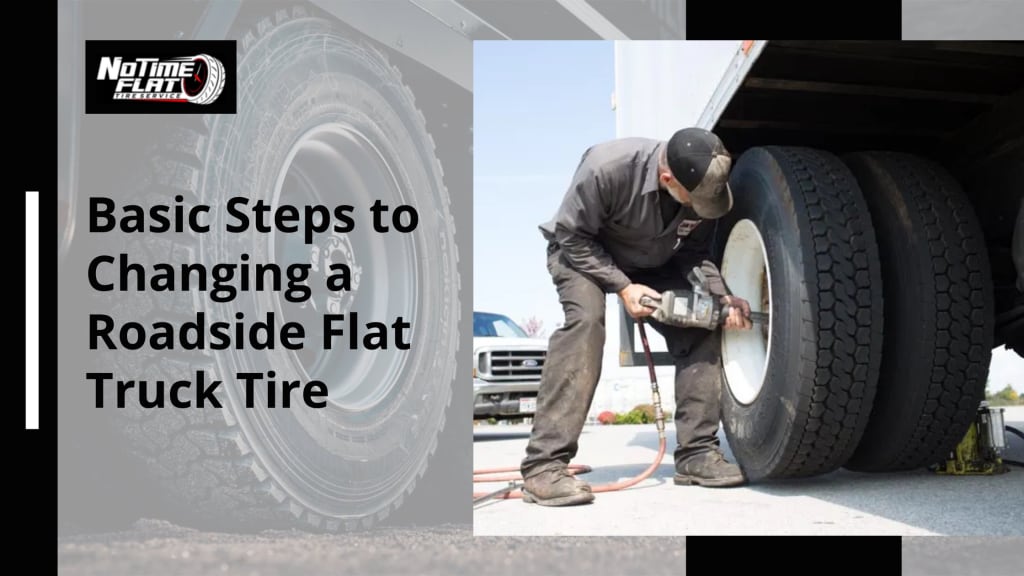
If you've ever been stuck with a flat tire, you know it can be a real headache, especially when driving a truck. The size and weight of truck tires make changing them a much bigger challenge than with regular vehicles. You always have a hassle-free option to turn to commercial tire services for quick help fixing the flat. Yet, knowing how to a flat tire on a truck can save you time and frustration.
Being prepared means getting back on the road faster and with confidence. The blog post has some simple steps on how to change a flat tire on a truck safely and effectively. From gathering the right tools to executing the change, these measures will ensure you feel ready to tackle a flat tire on truck whenever it arises.
Why Do Truck Tires Go Flat?
Flat tires on trucks can happen for various reasons, from sharp objects piercing the rubber to tires being over-inflated. You must know the causes to identify possible risks while driving.
Some common reasons for semi-truck flat tires include valve stem damage, leaks from tire beads or alloy wheels, detachment of the rim and tire due to collisions, over-inflation, punctures from sharp debris like glass or nails, and rough roads filled with potholes.
Under-inflated tires can also lead to problems. By being aware of these factors, you can better protect your tires as well as ensure a safer journey on the road.
Essential Tools You Need for Changing a Flat Truck Tire
When facing a flat tire on the road, having the right tools can make all the difference between a temporary fix and a frustrating occasion. Without the proper equipment, you risk making errors that could lead to unsafe conditions or even accidents. Here's a handy checklist of tools you should keep in your truck.
- Hydraulic Jack: This powerful tool lifts your truck off the ground, making removing and installing the tire easier. Hydraulic jacks are perfect for heavy-duty loads, as they distribute weight evenly and lowers the risk of tipping.
- Lug Wrench / Impact Wrench: Also known as a tire iron, a lug wrench is crucial for loosening and tightening the lug nuts holding your wheel in place. An impact wrench can speed up this process, especially for stubbornly tight nuts.
- Pry Bar / Flathead Screwdriver: A pry bar helps you remove the hubcap or cover that hides the lug nuts. A flathead screwdriver will do the trick if you don't have a pry bar.
- Wheel Chocks: These wedge-shaped blocks secure your truck, especially on uneven ground. Place them against the wheels opposite to the one you're working on to prevent any accidental rolling.
- Spare Tire: You must have a properly inflated spare tire ready to replace your flat. Make sure it's the right type for your vehicle, whether for a passenger car or a light truck.
What Should You Do Before Fixing a Flat Truck Tire?
When you see a flat tire, it's important to prioritize safety before starting the tire repair by pulling over on a level surface to ensure your truck remains stable and less likely to roll, turning on your hazard lights to alert other drivers, and increase your visibility, and wearing a high-visibility vest to make yourself more noticeable, especially in low-light conditions.
Now, place wheel chocks around the tires to immobilize your vehicle and prevent accidental movement while you work. Set up early warning devices like reflective triangles or flares at least 4 meters away from your truck to signal oncoming traffic of your presence.
Easy Steps to Changing a Flat Truck Tire
Getting a flat tire is frustrating, but you can change it quickly with the right approach. Here's how to fix a flat tire on a truck:
1.Take Off the Hubcap: Remove the hubcap covering the lug nuts. Use a pry bar or a flathead screwdriver to lift it off. Be careful to avoid damaging the hubcap or the wheel during this process.
2. Loosen the Lug Nuts: Loosen the nuts using a lug wrench before raising the vehicle. Rotate them counterclockwise to make removing them easier later on. Remember the phrase, "Lefty loosey, righty tighty." If a nut is particularly tight, use a pipe for more leverage.
3. Raise the Truck with a Hydraulic Jack: Check your truck's manual for the recommended lifting point. Position the hydraulic jack there and pump the handle until the flat tire is lifted a few inches off the ground. Ensure the jack is stable to support the truck safely.
4. Remove the Lug Nuts by Hand: Once the truck is heightened, continue removing the lug nuts by hand. Keep them in a safe location for reinstallation later. If a nut is difficult to remove, you can step on the wrench for extra force or use a breaker bar for assistance.
5. Take Off the Flat Tire: Now it's time to remove the flat tire. Firmly hold it with both hands and pull it straight towards you to disengage it from the lug bolts. If it feels stuck, gently wiggle it or tap the back with a rubber mallet to loosen any rust without damaging the rim.
6. Attach the Spare Tire: Position the spare tire onto the lug bolts, ensuring it properly aligns. Make sure the tire is facing the correct direction for optimal rotation. If it doesn't slide on, use a rubber mallet to help it align with the holes.
7. Secure the Lug Nuts: Begin hand threading the lug nuts back onto the bolts, following a star pattern for even tightening. This method helps prevent cross-threading and ensures that everything is aligned correctly.
8. Lower the Vehicle: Carefully lower the truck using the hydraulic jack until the spare tire makes contact with the ground. Be sure that it's not bearing the full weight of the vehicle yet.
9. Tighten the Lug Nuts: Tighten the lug nuts fully with your wrench, maintaining the star pattern from the previous step. Be cautious not to over-tighten them, as this could damage the threads.
10. Reattach the Hubcap: Place it back over the lug nuts and push it firmly into position. Make sure it's secured by checking the clips or screws to prevent it from falling off while driving. Give it a gentle tug to ensure it's securely attached.
Do You Know What to Do Before Driving on a Spare Tire?
Air pressure is required before hitting the road with a spare tire. Proper inflation is necessary for your safety and the tire's performance. Use a tire pressure gauge to ensure the spare is at the correct pressure level. If it's not, inflate it to the recommended amount. Gather all the tools and equipment used during the tire change and store them safely. It helps prevent loose items from rolling around in the truck and causing hazards.
How Can You Prevent Truck Tire Blowouts and Flat Tires?
Did you know that flat tires and blowouts can be avoided?
Regular maintenance and checks are necessary to prevent flat tires. Good truckers perform pre-trip inspections, including checking the air pressure in both tires and brakes. Surprisingly, not all drivers follow this routine; some believe that monthly checks are sufficient. Get commercial tire services for regular inspections to improve safety, improve fuel efficiency, and reduce tire wear.
Be Prepared with a Spare Tire and Drive Safe!
Changing a flat tire on truck can be quite a challenge, mainly because of its size. It gets even tougher if you’re not sure how to fix it or lack the necessary tools. By preparing beforehand—bringing the right tools and learning how to change a tire—you can make a big difference if you ever find yourself in that situation.
A spare tire from No Time Flat—one of the best commercial tire dealers can save you from the stress of pushing or towing your vehicle. Their online tire store has a broad selection of quality tires for passenger cars, light trucks, and heavy equipment at affordable prices to help you stay safe and ready on the road!
About the Creator
No Time Flat
Top-notch tire services and quality tires at No Time Flat in Jenison, MI. Whether you need tire installations, repairs, or maintenance, we've got you covered.
Keep reading
More stories from No Time Flat and writers in Wheel and other communities.
Top Tips to Prevent Car Skidding in Winter Weather
Winter driving is far beyond getting from point A to point B; it’s about safely handling icy and snow-covered roads. One major risk during this time is car skidding, which can be frightening and dangerous. Have you ever experienced your car slipping unexpectedly? That feeling of losing control, even for a moment, can risk accidents and damage to your vehicle. Knowing what causes skids—like slippery surfaces, worn-out tires, and sudden stops—is important for your safety.
By No Time Flatabout a year ago in Wheel
5 Best Food Choices at Auto Shows
Attending an auto show is an exciting experience filled with gleaming vehicles, innovative technology, and hours of walking through massive exhibition halls. With so much to see, you need the right fuel to keep your energy levels high. Here are five of the best food choices to enjoy during your next auto show visit.
By Karter Odinabout 16 hours ago in Wheel
me, me, me
when i read back my poetry it screams “me, me, me” on my screen in bold letters and i can’t shut it up — most days, i cannot make any other words out; i want to throttle a thousand versions of the me gone by, i want to throw myself from a figurative balcony, i want to sink a sword into every pen i’ve held
By angela hepworth7 days ago in Poets



Comments
There are no comments for this story
Be the first to respond and start the conversation.