
New 2026 Mazda CX-30 SUV: Prices, Engines, and Safety Tec
2026 Mazda CX-30: Pricing and Competitive Positioning in the Compact SUV Market
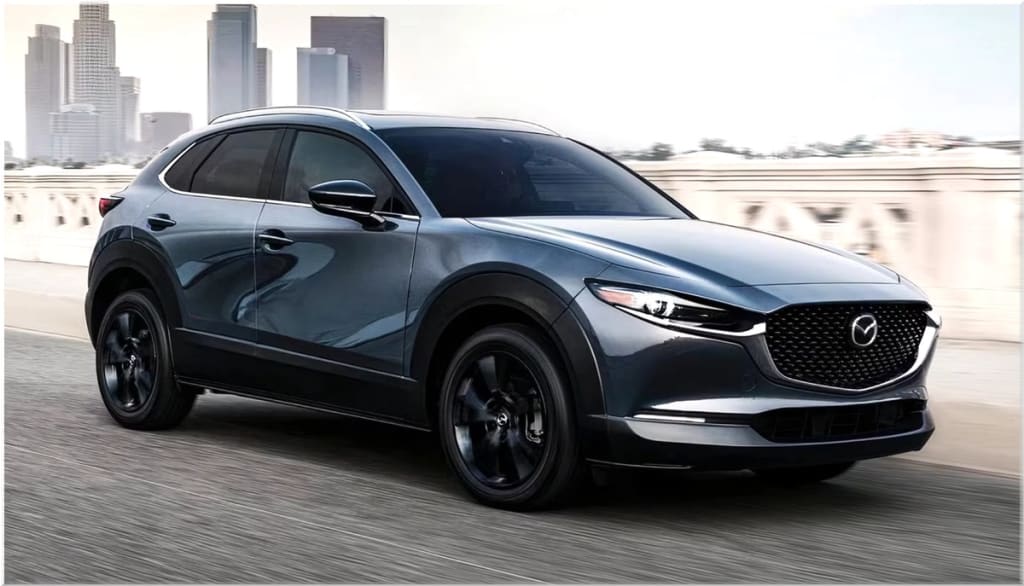
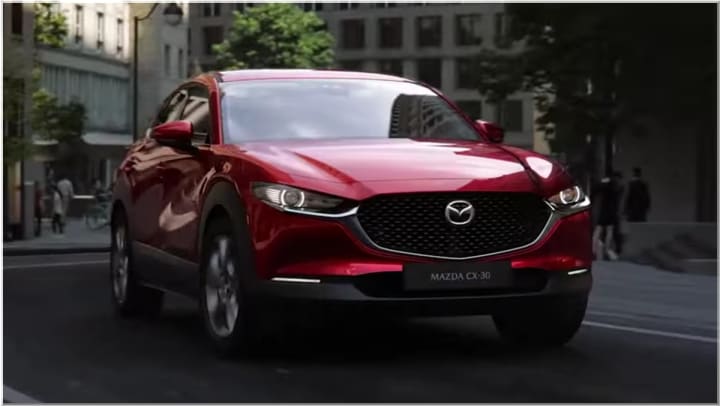
Mazda has released full details for the 2026 Mazda CX-30, its best-selling compact crossover designed for drivers who want efficiency, safety, and capability in a smaller footprint. The CX-30 sits between the Mazda3 hatchback and the larger CX-50, giving the automaker an important entry point in one of the most competitive vehicle categories in the U.S.
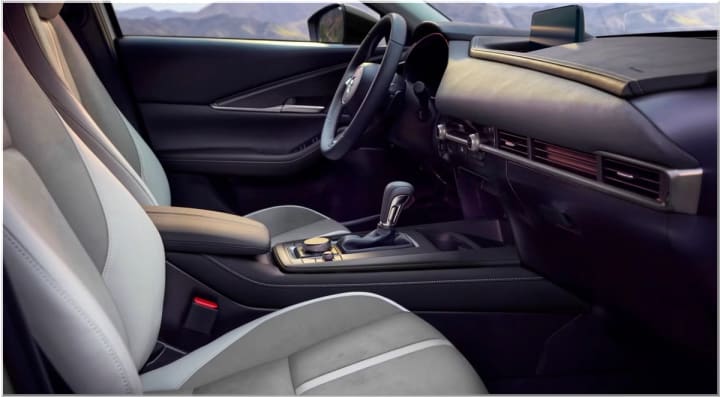
For 2026, Mazda has taken a measured approach. Instead of a complete redesign, the company has focused on packaging, pricing adjustments, and ensuring that advanced driver-assistance features and all-wheel drive (AWD) remain standard across the lineup. This keeps the 2026 Mazda CX-30 competitive against rivals like the Toyota Corolla Cross, Honda HR-V, and Hyundai Kona, all of which are seeing strong sales growth in North America.
2026 Mazda CX-30 Pricing Structure
Mazda adjusted prices slightly upward for the 2026 model year, with increases averaging about $500 USD per trim. While some competitors start lower, Mazda justifies the premium with standard AWD and a higher baseline of technology and safety equipment.
Here is the full list of trims with U.S. pricing:
- CX-30 2.5 S — $26,500
- CX-30 2.5 S Select Sport — $27,800
- CX-30 2.5 S Preferred — $30,200
- CX-30 2.5 S Carbon Edition — $32,000
- CX-30 2.5 S Premium — $34,000
- CX-30 2.5 Turbo Premium — $36,500
- CX-30 2.5 Turbo Premium Plus — $38,000
Compared to direct competitors, the Mazda CX-30 lands slightly higher than the Honda HR-V (starting at about $25,000) but remains close to the Toyota Corolla Cross and Hyundai Kona, which also push into the low $30,000s for well-equipped trims. The top CX-30 Turbo models climb into the higher $30,000s, where they overlap with entry-level versions of larger SUVs like the Hyundai Tucson and Honda CR-V.
Trim Levels and Standard Features
Mazda structured the CX-30 lineup to provide clear feature upgrades as buyers move up each trim level. Instead of offering scattered packages, the automaker designed trims to align with specific customer priorities—value, design, comfort, or performance.
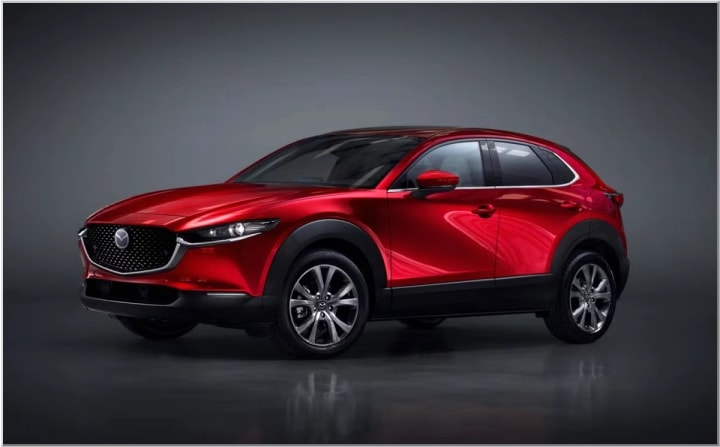
CX-30 2.5 S
- Price: $26,500
- 191 horsepower 2.5-liter four-cylinder engine
- Standard i-Activ AWD system
- 8.8-inch center display with Mazda Connect
- Apple CarPlay and Android Auto integration
- Blind Spot Monitoring and Rear Cross Traffic Alert
- 16-inch alloy wheels
CX-30 2.5 S Select Sport
- Price: $27,800
- Adds dual-zone automatic climate control
- Upgraded leatherette seating surfaces
- Keyless entry with push-button start
- 18-inch alloy wheels
CX-30 2.5 S Preferred
- Price: $30,200
- Power sliding-glass moonroof
- Heated front seats
- 8-way power driver’s seat with lumbar support
- Memory seat function for driver
CX-30 2.5 S Carbon Edition
- Price: $32,000
- Exclusive Polymetal Gray Metallic paint option
- Interior finished in red leather upholstery
- 18-inch black metallic alloy wheels
- Targeted at design-oriented buyers
CX-30 2.5 S Premium
- Price: $34,000
- Full-color head-up display
- Power liftgate with programmable height
- 12-speaker Bose premium audio system
- Adaptive LED headlights
CX-30 2.5 Turbo Premium
- Price: $36,500
- Turbocharged 2.5-liter engine with up to 250 horsepower on premium fuel
- 227 horsepower on regular fuel
- Adaptive front-lighting system for improved visibility
- Larger dual exhaust outlets
CX-30 2.5 Turbo Premium Plus
- Price: $38,000
- Adds 360-degree view monitor
- Traffic Jam Assist for semi-automated driving in congestion
- Frameless auto-dimming rearview mirror
- Enhanced leather interior appointments
Powertrain and Performance
Mazda continues with its proven Skyactiv-G 2.5-liter engines. The naturally aspirated version produces 191 horsepower and 186 lb-ft of torque, while the turbocharged engine delivers 250 horsepower and 320 lb-ft of torque with premium fuel. Running on regular fuel drops output to 227 horsepower and 310 lb-ft of torque, still a competitive figure for the class.
Every CX-30 uses a 6-speed automatic transmission, a rarity in a segment dominated by continuously variable transmissions (CVTs). Mazda emphasizes driver engagement, and this transmission choice reflects the brand’s philosophy.
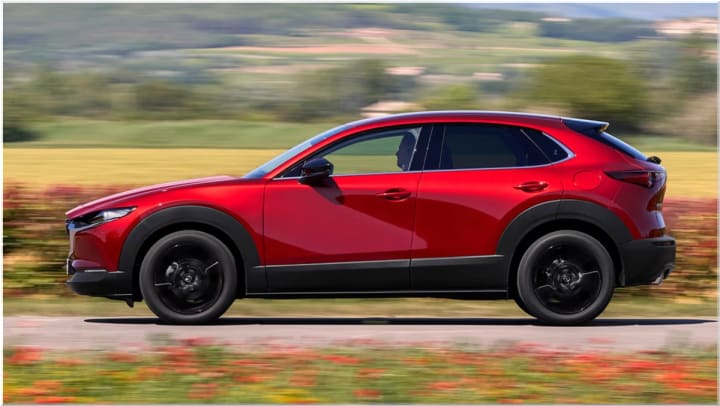
Performance figures:
- CX-30 2.5 S: 0–60 mph in about 8.5 seconds
- CX-30 Turbo: 0–60 mph in under 6.5 seconds
Fuel economy ratings are competitive:
- Base engine: 26 mpg city / 33 mpg highway
- Turbo engine: 22 mpg city / 30 mpg highway
Packaging Strategy
Mazda designed its CX-30 packaging strategy to minimize complexity for buyers. Each trim offers a clear step up without requiring separate option packages. This simplifies dealer inventory and reduces customer confusion.
The Carbon Edition caters to younger buyers or those looking for standout styling, while the Turbo trims address customers wanting compact size but higher power. With AWD included across the board, Mazda differentiates itself from rivals that charge extra for the feature.
Technology and Safety
The i-Activsense safety suite comes standard on every CX-30, reflecting Mazda’s push to democratize safety. Included systems:
- Blind Spot Monitoring
- Rear Cross Traffic Alert
- Lane Departure Warning
- Lane-Keep Assist
- Mazda Radar Cruise Control with Stop & Go
- Smart Brake Support
Higher trims expand the list:
- 360-degree surround view monitor
- Traffic Jam Assist, offering steering support in low-speed congestion
- Driver attention alert systems
Mazda’s approach places the CX-30 among the safety leaders in the compact crossover category, alongside Toyota and Honda.
Market Position and Competition
The compact crossover segment is the largest growth area in the U.S. market. The CX-30 must compete directly with:
- Honda HR-V: Lower entry price but weaker engine output.
- Toyota Corolla Cross: Broad dealer support, but AWD optional, not standard.
- Hyundai Kona: Lower base price, more electrified options, but smaller interior.
- Subaru Crosstrek: AWD standard like the CX-30, but fewer turbocharged choices.
Mazda differentiates itself through performance-oriented handling, standard AWD, and a more upscale interior presentation.
Key Insights for Buyers
- Base pricing starts at $26,500, rising to $38,000 for top trims.
- All-wheel drive comes standard, unlike many competitors.
- Turbocharged engine delivers 250 horsepower, unmatched in most direct rivals.
- Standard i-Activsense safety across all trims.
- Clear step-up packaging simplifies the buying process.
Conclusion
The 2026 Mazda CX-30 builds on a strategy of clarity and consistency. By keeping AWD standard, safety tech included, and trims easy to understand, Mazda appeals to buyers seeking confidence and value in a crowded compact SUV market.
While competitors expand into hybrids and EVs, Mazda sticks to proven internal combustion with a focus on driver engagement and safety. Buyers comparing compact SUVs will find the CX-30 offers AWD security, optional turbocharged power, and premium-level safety technology at competitive pricing.
About the Creator
Keep reading
More stories from Panorica Pan and writers in Wheel and other communities.
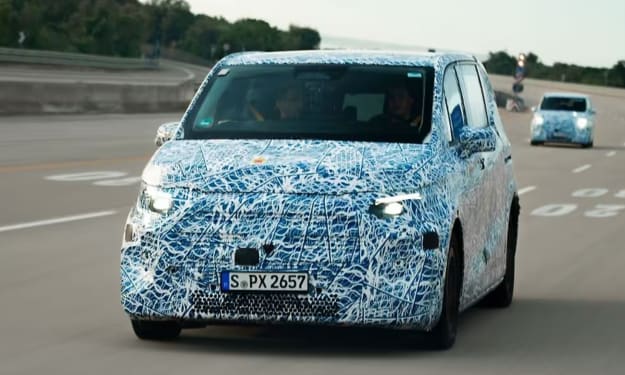
Mercedes-Benz VLE Review: Real-World Efficiency in Electric MPVs
Shifting Gears for Electric Vans Mercedes-Benz is pushing forward. The all-electric Mercedes-Benz VLE completed a real-world challenge: a 1,090-kilometer drive from Stuttgart to Rome. The result? Two charging stops. Fifteen minutes each. This test is a signal to both the market and competitors: electric vans are ready for long-haul demands.
By Panorica Pan5 months ago in Wheel
7 Cars You Should Never Buy Used in 2026
Buying a used car can be a smart way to save money, but not every vehicle holds up well over time. Some cars develop recurring mechanical issues, others come with expensive repair costs, and a few simply do not age gracefully. As we move into 2026, certain models and categories stand out as risky purchases in the used market. This article is not meant to criticize brands or owners, but to help buyers make informed decisions based on long-term reliability trends, ownership costs, and common complaints. Understanding which used cars to avoid can protect your budget and reduce stress after purchase.
By Austin Peck5 days ago in Wheel
Rego Hacks That Save Hundreds in 2026
Vehicle registration is one of those unavoidable expenses that many drivers accept without question, yet a closer look often reveals opportunities to save real money. As 2026 approaches, changes in transport policies, vehicle classifications, and digital systems mean drivers who stay informed can reduce rego costs legally and with minimal effort. Whether you own a daily commuter, a secondary car, or an aging vehicle you barely use, understanding how registration works can help you avoid paying more than necessary.
By Austin Peck4 days ago in Wheel



Comments
There are no comments for this story
Be the first to respond and start the conversation.