
Mercedes-Benz VLE Review: Real-World Efficiency in Electric MPVs
Mercedes-Benz VLE Sets New Benchmark for Electric MPV Range and Charging
Shifting Gears for Electric Vans
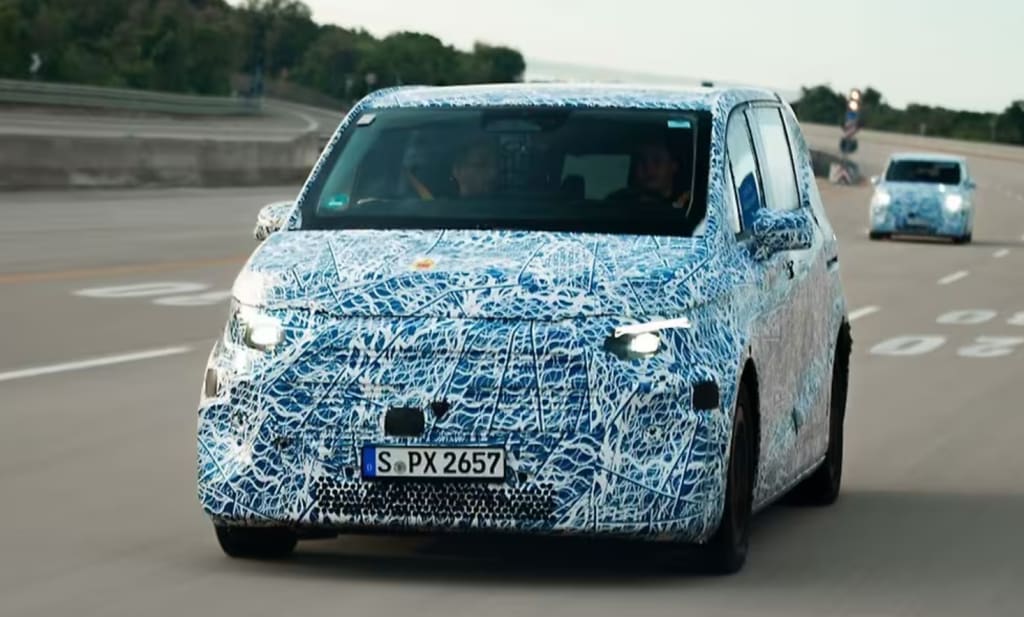
Mercedes-Benz is pushing forward. The all-electric Mercedes-Benz VLE completed a real-world challenge: a 1,090-kilometer drive from Stuttgart to Rome. The result? Two charging stops. Fifteen minutes each. This test is a signal to both the market and competitors: electric vans are ready for long-haul demands.
New Modular Van Electric Architecture
Mercedes-Benz VLE rides on a new modular and scalable Van Electric Architecture. The platform is set to roll out globally in 2026. This system supports clear product separation between Grand Limousines for families and VIP shuttles, and commercial transporters for logistics.
- Supports up to 8 seats
- Adapts for family, leisure, shuttle, and commercial use
- Enables targeted feature sets by segment
- Drives cost efficiencies and shortens development cycles
Electric Range and Real-World Performance
During the test, VLE handled diverse terrain: alpine passes, highways, country roads, and city streets. Stuttgart started at 11°C. Rome ended at 33°C. The cabin stayed at a steady 22°C. The air conditioning stayed on. Comfort was not compromised.
Fast-charging capabilities allowed two 15-minute stops. In just under 13 hours, the vehicles completed the journey. No drama. No range anxiety. This is the new benchmark for electric multipurpose vehicles.
Mercedes-Benz is validating more than just numbers. Engineers are testing under real operating conditions:
- Long-distance cross-border trips
- Climatic extremes (from Norway's North Cape to Italy's summer)
- Real-life passenger and cargo loads
- Multiple charging scenarios
Key Technical Features
- Rear-axle steering: Delivers tight turning in narrow European city streets and agile handling on winding mountain passes.
- Thermal management: Maintains battery and passenger comfort without excessive energy draw.
- Recuperation systems: Recovers energy during braking and downhill driving to extend range.
- Digital validation: Complements real-world testing, accelerating time to market.
Every feature focuses on efficiency and usability. No wasted energy. No unnecessary features. Just data-driven engineering.
Rear-Axle Steering for City and Country
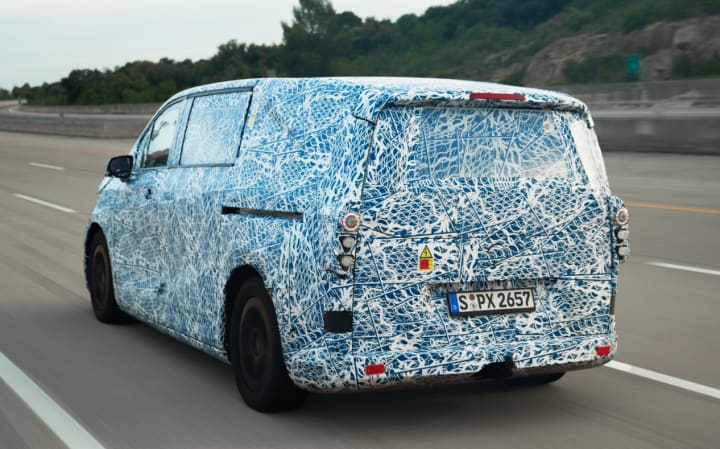
Rear-axle steering is more than a tech add-on. It's a practical solution. Tight corners in Italian towns? Handled with confidence. Mountain switchbacks? No hesitation. For urban delivery, airport shuttles, and family haulers, this feature is a game-changer. It makes the VLE competitive where maneuverability and flexibility matter.
What the Modular Platform Means for Buyers
Mercedes-Benz is building for global scale. This modular platform approach gives options:
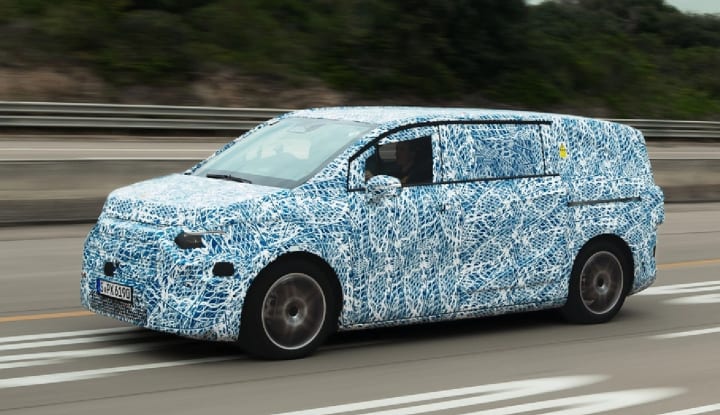
- Grand Limousines (VLE and VLS): For families, leisure, and VIPs. Up to 8 seats.
- Transporters: For logistics, fleet, and commercial needs.
- Differentiated feature sets for each market (U.S., Canada, China, Europe)
- First time all-electric midsize luxury vans offered in major markets
Buyers get access to custom options without paying for features they do not need. This is a direct answer to increasing demands for efficiency and cost control.
Charging, Range, and Efficiency
Charging speed and range remain top priorities for buyers of electric vans. The VLE answers this with its long-distance capability:
- Less than 30 minutes charging for 1,090 km of travel
- Charging stops mirror real-world driver breaks
- Thermal management keeps battery efficiency up in extreme climates
For business buyers, this means less downtime. For families, it means road trips are no longer out of reach for electric vehicles.
Future Market Impact
Mercedes-Benz aims to be a leader in electric mobility and vehicle software. The VLE is part of a global push:
- Over 2.4 million vehicles (cars and vans) sold globally in 2024
- More than 30 production sites on four continents
- Global battery production network growing
Sustainability and Value
The company is integrating sustainability across the entire value chain. It's about efficiency, reducing emissions, and delivering value to customers, employees, investors, and society. For electric vans, the priority is long-term operating cost savings, reduced environmental impact, and high uptime.
What Sets VLE Apart in the MPV Segment
- Practical electric range for real users
- Fast charging that aligns with real travel needs
- Flexible platform to fit any use-case, from luxury shuttle to commercial van
- Global availability and market-specific configurations
Mercedes-Benz is not just ticking the electric box. The VLE offers concrete, quantifiable advantages:
- Reduced energy costs versus diesel vans
- Lower maintenance with fewer moving parts
- Clean urban operation for cities with emissions regulations
The Next Steps for VLE
Mercedes-Benz will continue validation drives. Expect more cross-continent routes, city tests, and climate extremes. Final production models will offer additional customizations and further improvements to efficiency.
For buyers in the U.S., Canada, and China, this marks the first time they can access a true luxury, all-electric midsize MPV. For commercial operators, expect configurations that balance range, payload, and running costs.
Key Takeaways
- Mercedes-Benz VLE completed a 1,090 km route from Stuttgart to Rome with two 15-minute charging stops.
- Real-world testing proves the new Van Electric Architecture works for long trips and varied conditions.
- Rear-axle steering improves city and mountain road handling.
- Platform flexibility offers tailored solutions for families, VIPs, and commercial operators.
- Charging, thermal management, and range are engineered for minimal downtime.
- Market launch in 2026 will include the U.S., Canada, and China for the first time.
- Mercedes-Benz is targeting leadership in electric vans through data-driven engineering and customer-focused features.
About the Creator
Keep reading
More stories from Panorica Pan and writers in Wheel and other communities.
2026 Toyota RAV4 GR Sport: Performance SUV Delivers 320 HP, Sharp Handling
The 2026 Toyota RAV4 GR Sport arrives with a clear mission. It offers significant performance upgrades over standard RAV4 models. This new trim combines a potent plug-in hybrid (PHEV) powertrain with Gazoo Racing (GR) engineering. The result is a compact SUV focused on driving dynamics. Toyota aims this vehicle at drivers seeking a sporty utility experience. This vehicle is more than an appearance package. It boasts substantive mechanical changes.
By Panorica Pan8 months ago in Wheel
The Real Cost of Owning a Car in 2026 — What Most Drivers Don’t Expect
Owning a car has long been seen as a symbol of convenience and independence. For many people, it is simply part of daily life. You buy a car, pay for fuel, and drive where you need to go. However, as we move into 2026, the true cost of owning a car is becoming more complex than many drivers expect. While the purchase price often gets the most attention, it is usually the ongoing and less obvious expenses that slowly influence your finances year after year. Understanding these costs can help drivers make smarter decisions and avoid financial surprises.
By Austin Peck6 days ago in Wheel



Comments
There are no comments for this story
Be the first to respond and start the conversation.