
Let’s get familiarized with the cylinder-on-demand system from Audi.
a technology that (supposedly) can save your car’s fuel consumption.


In 2013, Audi introduced cylinder-on-demand technology, which was installed in several of their cars (in this case, the A8). For some people, this system was quite interesting and was considered revolutionary.
I don’t think I need to explain or prove how uneconomical an engine with a large number of cylinders is; in this case, the Audi A8 is equipped with a 4.0 V8 engine, and for the L or long version, they provide a smooth V12 engine for flagship-class cars, both of which are not fuel-efficient.
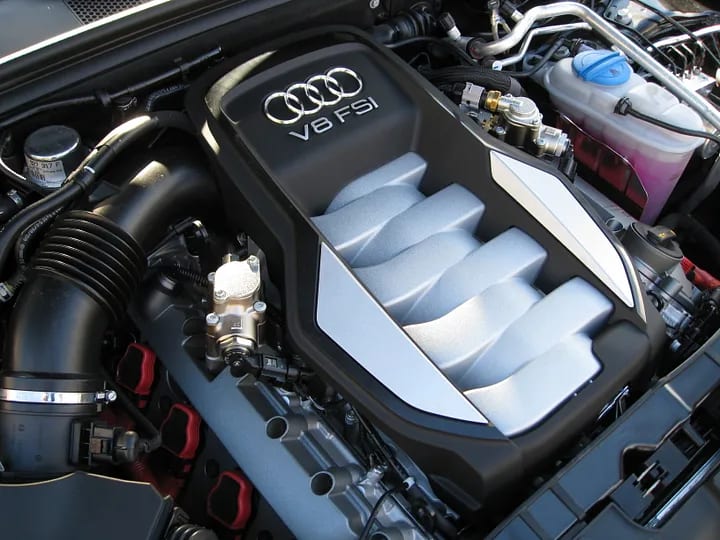
In simple terms, this technology works because the ECU deliberately “turns off” several cylinders that are deemed unnecessary when the car is running at low RPM and only turns them on when needed. The time to reactivate the engine is so fast that you don’t feel the difference; maybe this happens because of the computer’s response. faster compared to analog systems; because of technology, this can happen.
From the engine side, the system closes its intake valves, which draw in air, and its exhaust valves, which release spent gases at the same time as stopping the gasoline supply to the injector. The piston still moves because there is movement from the crankcase; it’s just that the piston doesn’t pump air.
All of this causes some engine cylinders to deactivate so that the engine can run or use fuel more economically. Some say the savings are above 5 percent and some people say that they can get mileage up to 30 with a 4.0 V8 engine, something that could be said to be quite impressive.
So, when the ECU senses that the car is running at a low speed (say, 40 mph), the system will turn off several cylinders and slowly activate them when the speed or RPM slowly increases. I think there will be a certain threshold where the ECU will start activating the cylinders one by one until, in the end, the engine is at full load or high speed. As long as that doesn’t happen, the unused cylinders will remain turned off so that, supposedly, fuel consumption is more economical.

This system is not new. Cadillac introduced 8–6–4 technology in the 1980s, which was based on the same cylinder on demand from Audi. This system was paired with an L62 V8 engine, which used an injection system from Eaton along with a special throttle body that could cut or turn off several cylinders when needed (hence the name) depending on how much load it was under and it promised fuel savings of up to 30 percent.
The method is quite complex for the 1980s, A microprocessor (or maybe we call it an ECU nowadays) will receive data from engine sensors, starting from intake manifold pressure to engine speed to coolant temperature, like modern ECUs in general and when the system feels that the speed or RPM of the car is At a certain limit, the system will activate a solenoid that locks the roller rocker arm, preventing the camshaft from operating the valves in the cylinders that are no longer needed, so that there is no engine vibration because the engine misfiring will still hold compressed air inside to dampen those misfires.
But at that time, the technology was not ready to use such a sophisticated and complicated system; the computer could not calculate or regulate the system so lagging often occurred, even though Cadillac brags that its computer could do “300,000 calculations per second." The solenoid that regulates the rocker arm also did not respond quickly, changing the gas pedal so that the delay was felt by the driver. But the worst thing is that the deactivation and fuel injection systems are not ready for that so the computer will get a lot of misreadings.
The system that should reduce fuel gives it too much and vice versa. This system is deemed to have failed and was stopped a few years later.
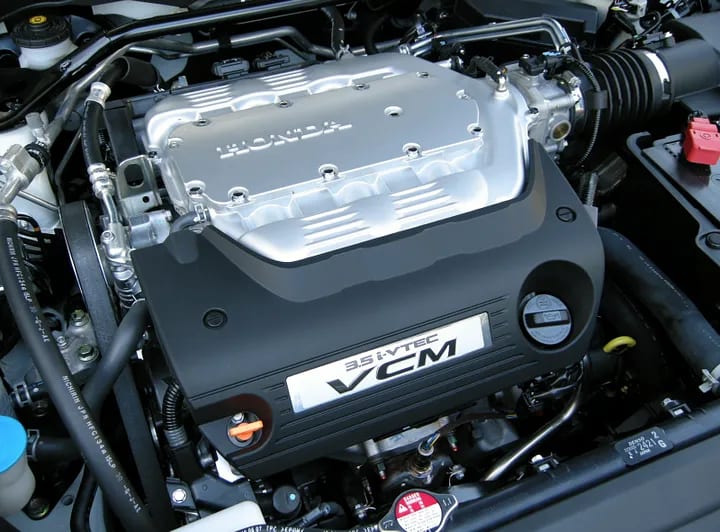
For now, that’s not a problem because technology has made it possible. Honda used the same system (although the name was different) in the early 2000s and was quite successful. Maybe this all happened because at that time there were computers that could regulate the engine efficiently and according to needs. So for now, I think Audi and several other manufacturers can build or manufacture engines with this technology without having to worry about being hindered by technological limitations.
The cylinder-on-demand system installed by Audi is nothing new, but because the technology is increasingly developing, I think the efficiency claims they make can be justified, especially for stable cruising speeds such as on toll roads. The system can take advantage of the stable RPM in the engine so that the cylinder system-on-demand can function efficiently. If the driver wants to go faster, the technology now allows the engine to respond quickly.
This is quite a good and promising technology for the future, especially for cars with a large number of cylinders so that consumers can get efficient, powerful cars. Emissions can also be reduced because fuel usage is lower.
It’s possible that in the future many manufacturers will use this technology, but for now, Audi is still using it for some of their engines.
About the Creator
Pinesthi Mukti Rizky Wibowo
Hi, my name is Eky and here I will write about automotive and other things, most of the writing will be taken from my personal Quora or Medium account. Most of my writing is curated from my Quora account which I have more than 4,000 answers
Keep reading
More stories from Pinesthi Mukti Rizky Wibowo and writers in Wheel and other communities.
Planned obsolescence in automotive: Is it even real?
It seems like this has been a popular topic of conversation recently, where more and more people feel that the quality of today’s cars is decreasing, especially for cars in the early 2000s, as if today’s cars are like disposable items that have to be thrown away when their useful life has passed.
By Pinesthi Mukti Rizky Wibowo2 years ago in Wheel
The Lunar Check-In: Engineering the First Five-Star Stay in the Stars
The silent, silver plains of the Moon—once the exclusive playground of Cold War pioneers and robotic rovers—are about to get a lot more hospitable. We aren’t just talking about research outposts or "survival pods" anymore. We are talking about high-thread-count sheets, panoramic views of the "Earth-rise," and the logistical miracle of hospitality at 1/6th gravity. The dream of the Lunar Hotel is no longer confined to the pages of 1950s pulp fiction; it is currently being drafted on the CAD programs of the world’s most ambitious aerospace firms.
By yusuf selho3 days ago in Wheel




Comments
There are no comments for this story
Be the first to respond and start the conversation.