
Land Rover Maintenance Guide: Vital Service Intervals to Keep Your SUV in Top Condition
Land Rover Maintenance Guide


Owning a Land Rover is not just about enjoying luxury and off-road capabilities; it also comes with the responsibility of regular maintenance to ensure that your vehicle continues to perform at its best. Land Rovers are engineered for durability and reliability, but like any vehicle, they require scheduled maintenance to preserve their performance and longevity. This guide will walk you through the vital service intervals and key maintenance tasks that are essential for keeping your Land Rover in top condition.
The Importance of Regular Maintenance
Regular maintenance is crucial for any vehicle, but it is especially important for Land Rovers due to their complex engineering and advanced technology. Consistent maintenance helps prevent potential issues, reduces the risk of breakdowns, and ensures that your Land Rover performs efficiently whether you are driving on highways or tackling rough terrains. Moreover, following the recommended service schedule helps maintain your vehicle's resale value and keeps it running safely and smoothly for years to come.
Understanding Land Rover Service Intervals
Land Rover provides a recommended service schedule based on time and mileage. Typically, service intervals are set at every 12 months or 15,000 miles, whichever comes first. However, depending on your driving habits and environmental conditions, your vehicle may require more frequent maintenance. Here are the key service intervals and what they entail:
5,000 to 7,500 Miles: Basic Maintenance
Oil and Filter Change: Regular oil changes are the cornerstone of engine maintenance. Fresh oil ensures proper lubrication of engine components, reduces wear and tear, and helps maintain engine efficiency. Along with the oil change, the oil filter is replaced to ensure that any contaminants are removed from the oil before it circulates through the engine.
Tire Rotation: To ensure even tire wear and extend the life of your tires, it’s important to rotate them regularly. This also helps maintain balanced handling and traction, especially in challenging driving conditions.
Brake Inspection: The braking system should be inspected for wear and tear, including checking the brake pads, rotors, and fluid levels. Addressing brake issues early can prevent costly repairs and ensure your vehicle’s safety.
Fluid Check: During this interval, it's important to check all essential fluids, including coolant, brake fluid, transmission fluid, and windshield washer fluid, topping them up or replacing them as needed.
15,000 Miles: Comprehensive Check-Up
Full Inspection: At this stage, a more comprehensive inspection of your Land Rover is necessary. This includes checking the suspension, steering components, drive belts, hoses, and exhaust system for signs of wear or damage.
Cabin Air Filter Replacement: The cabin air filter should be replaced to ensure that the air inside your vehicle is clean and free from pollutants. A clean filter also helps maintain the efficiency of your HVAC system.
Brake Fluid Replacement: Brake fluid absorbs moisture over time, which can lead to reduced braking performance. Replacing the brake fluid ensures that your braking system remains responsive and effective.
Battery Check: The battery should be inspected for any signs of corrosion, and its charge level should be tested to ensure reliable starting and operation of electronic systems.
30,000 Miles: Major Service
Transmission Service: For vehicles with higher mileage, servicing the transmission is critical. This includes checking and potentially replacing the transmission fluid and filter, which helps maintain smooth shifting and prolongs the life of the transmission.
Fuel System Inspection: The fuel system, including the fuel pump and injectors, should be inspected and cleaned if necessary. This helps maintain optimal engine performance and fuel efficiency.
Coolant Flush: Over time, coolant can degrade and lose its effectiveness in regulating engine temperature. A coolant flush replaces the old coolant with fresh fluid, preventing overheating and protecting the engine from extreme temperatures.
Differential and Transfer Case Service: For Land Rovers with all-wheel-drive or four-wheel-drive systems, it’s essential to service the differential and transfer case. This involves replacing the fluid to ensure that these components continue to function smoothly, especially when driving off-road.
60,000 Miles: Extensive Overhaul
Timing Belt Replacement: If your Land Rover is equipped with a timing belt, it’s critical to replace it around the 60,000-mile mark to prevent engine damage. A broken timing belt can lead to catastrophic engine failure, so timely replacement is essential.
Spark Plug Replacement: Spark plugs should be replaced to ensure proper ignition and optimal fuel efficiency. Worn spark plugs can lead to misfires, reduced performance, and increased emissions.
Water Pump Inspection/Replacement: The water pump is a vital component that circulates coolant throughout the engine. At this mileage, it’s advisable to inspect the water pump and replace it if there are any signs of wear or leakage.
Suspension System Check: The suspension components, including shocks and struts, should be inspected and replaced if necessary. This ensures a smooth and comfortable ride and maintains the vehicle’s handling characteristics.
Additional Maintenance Considerations
Driving Conditions: If you frequently drive in harsh conditions, such as off-road, in extreme temperatures, or in stop-and-go traffic, your Land Rover may require more frequent maintenance. Dust, mud, and salt can accelerate wear on various components, so be sure to adjust your maintenance schedule accordingly.
Seasonal Maintenance: Preparing your Land Rover for different seasons is also important. For example, before winter, ensure that your battery is strong, your tires have sufficient tread, and your antifreeze is at the correct level. Similarly, check your air conditioning system before the summer months.
Software Updates: Land Rover vehicles are equipped with sophisticated electronic systems that may require periodic software updates. Keeping your vehicle’s software up to date ensures that you benefit from the latest features, bug fixes, and performance improvements.
Conclusion
Maintaining your Land Rover according to the recommended service intervals is key to ensuring its performance, reliability, and longevity. By following this maintenance guide and addressing any issues promptly, you can keep your Land Rover running smoothly, whether you're navigating city streets or exploring off-road trails. Regular maintenance not only protects your investment but also ensures that your Land Rover remains a pleasure to drive for years to come.
About the Creator
Euromotive Performance
We at Euromotive Performance located in Hallandale Beach, Florida is an independent automotive repair & service facility having a lot of experience in fixing even the most complex of issues affecting luxury cars.
Reader insights
Nice work
Very well written. Keep up the good work!
Top insights
Excellent storytelling
Original narrative & well developed characters
Expert insights and opinions
Arguments were carefully researched and presented
Eye opening
Niche topic & fresh perspectives
Heartfelt and relatable
The story invoked strong personal emotions
On-point and relevant
Writing reflected the title & theme
Keep reading
More stories from Euromotive Performance and writers in Wheel and other communities.
What 5 types of problems can be observed on a car radiator?
Alright! Your automobile is suffering from some radiator issues, and you are here to explore the top 5 red flags affecting it, along with the ways to identify them. But first of all, let's understand what a radiator does in your car. It’s a crucial component of your car’s cooling system responsible for ensuring engine efficiency by preventing excessive heat generation through coolant circulation. Thus, when something happens to the radiator, it could severely affect the engine, leading to expensive fixes. That’s why it’s essential to be aware of frequent radiator troubles and their failing signs. So, let's face it!
By Euromotive Performance10 months ago in Wheel
You Won't Believe How Easy it is to Get 100,000 Miles Between Brake Jobs
Most drivers are destroying their brakes prematurely — and it has nothing to do with speed. As a Master Mechanic for 25 years, I’ve seen every driving style imaginable. And nothing reveals a driver’s habits faster than how often they need brake work.
By Jack Martina day ago in Wheel
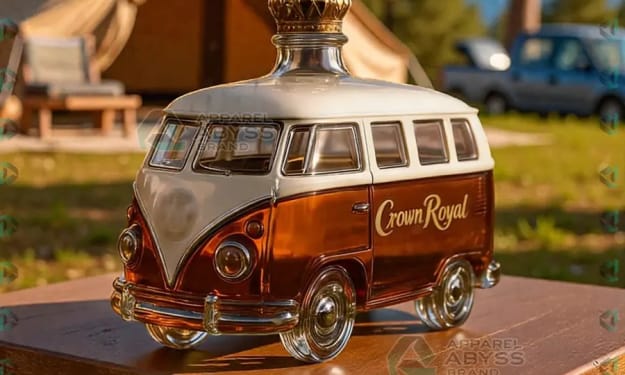
The Volkswagen T1 Camper Van Decanter Whiskey Bottle
Get it on : https://apparelabyssbrand.com/product/volkswagen-t1-camper-van-decanter-whiskey-bottle/ The Ultimate Blend of Nostalgia and Spirits: The Volkswagen T1 Camper Van Whiskey DecanterFor decades, the Volkswagen T1 Camper Van—affectionately known as the "Bus" or the "Bulli"—has been a global symbol of freedom, adventure, and the "Van Life" spirit. Today, that iconic silhouette has found a new home: not on the open road, but on the top shelf of the world’s most stylish home bars. The Volkswagen T1 Camper Van Whiskey Decanter is a stunning piece of functional art that captures the heart of 1960s counter-culture and pours it into a glass of premium bourbon or scotch.A Design That Drives ConversationAt first glance, these decanters are a masterclass in detail.
By gia ton hanh4 days ago in Wheel



Comments (1)
I really love your content and how it's crafted , I love it and happily subscribed , you can check out my content and subscribe to me also , thanks for this beautiful one