
What 5 types of problems can be observed on a car radiator?
Car Radiator Problem

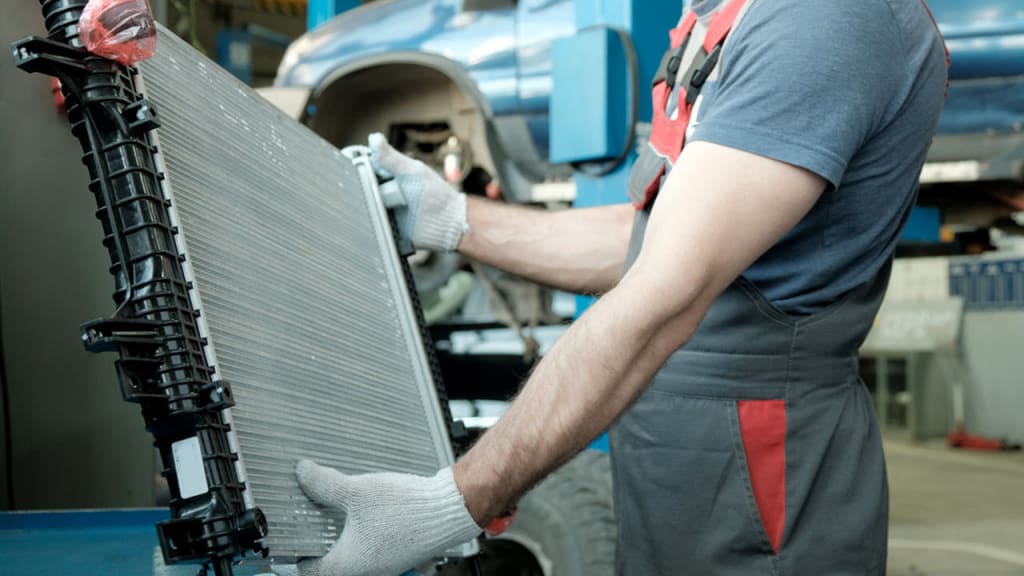
Alright! Your automobile is suffering from some radiator issues, and you are here to explore the top 5 red flags affecting it, along with the ways to identify them. But first of all, let's understand what a radiator does in your car. It’s a crucial component of your car’s cooling system responsible for ensuring engine efficiency by preventing excessive heat generation through coolant circulation. Thus, when something happens to the radiator, it could severely affect the engine, leading to expensive fixes. That’s why it’s essential to be aware of frequent radiator troubles and their failing signs. So, let's face it!
1. Seeping coolant
When the radiator leaks, you may notice bright green, yellow, or orange fluid stains or puddles under your car. These leaks may develop due to cracks in the radiator, damaged hoses, or loose clamps. Moreover, continuous heat and pressure can eventually deteriorate these parts, escaping the coolant. At first, a small leak may not be concerning, but a significant loss can prevent the engine from staying cool and ultimately lead to overheating. You must stop this from becoming severe trouble by verifying the leaks periodically and restoring them.
2. Engine producing excessive heat
With a blocked radiator, sufficient coolant can’t be circulated through the system, which causes the engine to become overheated. Usually, when dirt, rust, or old coolant gets deposited inside the radiator, it makes it difficult to escape the excess heat. An overheated engine can harm vital auto parts like the head gasket and pistons, resulting in high repair costs. So, to stop overheating, you must keep an eye on the temperature gauge and maintain the correct quantity of coolant in the tank. Also, proper radiator care includes regular flushing to keep it in top condition.
3. Blocked radiator
If the radiator gets clogged due to built-up debris, rust, or thick and aged coolant, the engine fails to maintain an optimal temperature due to irregular or insufficient coolant flow through the system. Overheating problems might occur repeatedly, and the heater might not warm up as expected. These blockages in the radiator can also create pressure buildup, which can cause leaks. Always remember performing a radiator flush is a common remedy for this problem. It’s a simple process that drains the old coolant containing dirt and debris, followed by refilling the tank with new, high-quality coolant suitable for your vehicle model. Regular care helps prevent major issues and keeps your radiator operating at its peak.
4. Malfunctioning thermostat
The thermostat might look small, but it's a mighty part of the cooling system whose primary task is to regulate coolant movement to the radiator based on the engine temperature. So, whenever the thermostat gets jammed in the shut position, the optimal coolant flow gets disrupted, ultimately making the engine extremely hot. Whereas with a stuck open thermostat, excess coolant flows into the engine and makes it difficult for the engine to meet the ideal temperature, leading to poor fuel economy and efficiency. Well, restoring a faulty thermostat is a straightforward fix, but neglecting this issue can not only harm but also cause permanent damage to the entire engine, draining your wallet on heavy expenditures down the line. If you notice erratic temperature readings, you must consult with a trusted mechanic to replace it with a new one to get everything back on track.
5. Cracked radiator fan
While halting or driving slowly, the radiator fan helps dissipate the heat from the coolant, and it's obvious that a dysfunctional fan restricts the radiator from cooling the engine, leading to overheating. This usually results from a malfunctioning fan motor, a blown fuse, or wiring issues. Thus, if the temperature gauge rises in traffic but lowers while driving at high or normal speed, the radiator fan might be the culprit. Swapping out a defective fan is quite affordable, but ignoring it may lead to major engine troubles in the long run.
Finally
Your vehicle radiator ensures proper engine cooling, but it may eventually encounter issues like blockage, leaking coolant, worn thermostat, etc. But the best part is adequate upkeep, which can stop most radiator problems before they start. Monitoring coolant levels, flushing the system, and tracking temperature shifts can maintain the radiator’s health. However, if you spot any of the above issues, addressing them early can prevent costly repairs in the future.
About the Creator
Euromotive Performance
We at Euromotive Performance located in Hallandale Beach, Florida is an independent automotive repair & service facility having a lot of experience in fixing even the most complex of issues affecting luxury cars.
Keep reading
More stories from Euromotive Performance and writers in Wheel and other communities.
Fine-Tune Your Audi’s Performance: Guide to Quattro Tuning
Audi is perhaps one of the most popular high-end cars that infuses technology in its vehicles which keeps them miles ahead of their nearest competitors. The Quattro technology in your Audi is its all-wheel-drive system that is capable of meeting the increase in demands for top performance when you press the accelerator pedal.
By Euromotive Performanceabout a year ago in Wheel
You Won't Believe How Easy it is to Get 100,000 Miles Between Brake Jobs
Most drivers are destroying their brakes prematurely — and it has nothing to do with speed. As a Master Mechanic for 25 years, I’ve seen every driving style imaginable. And nothing reveals a driver’s habits faster than how often they need brake work.
By Jack Martinabout 23 hours ago in Wheel




Comments
There are no comments for this story
Be the first to respond and start the conversation.