


Electric cruisers are the romantic side of EV two-wheelers: long, low, relaxed riding posture, a thumping visual presence — but without the petrol hangover. Komaki’s Ranger aims to marry that cruiser vibe with modern electric tech. Below I’ll walk you through the bike in 7 clear sections, and for each one I’ve added a relevant image link you can open in Google Images to see pictures and closeups.
First Impressions: Design & Rider Comfort
The Ranger wears true cruiser styling: a long low seat, swept handlebars, a beefy front end and optional saddlebags — it looks like an American cruiser but with electric simplicity. The ergonomics favor relaxed, long-ride comfort rather than sporty tuck-in riding; the seat, passenger backrest options and wide footrests underline that touring intent.

Powertrain: Motor, Drivetrain and What That Means on the Road
Under the Ranger’s shroud are high-torque electric hub motor(s) in the ~4–5 kW band (sources vary by model and model year). That motor size delivers solid low-end thrust ideal for city moves and steady cruising on open roads — you’ll feel quick roll-on without revving a petrol engine. Expect smooth, linear acceleration and the simplicity of a single-speed drive.

Range: Long Rides Are the Ranger’s Forte
One of the Ranger’s headline strengths is range. Depending on variant and battery pack, published figures sit well above the “100+ km” mark — commonly quoted figures range from around 140–200 km and some sources list up to 200–250 km per charge for higher-capacity trims. That makes the Ranger far more capable for day-trips and light touring than typical city scooters. (Range depends heavily on rider weight, speed, and terrain.)
Speed & Handling: What to Expect on Highways
Official top-speed figures commonly listed for the Ranger are around 80 km/h; some trims and reports quote figures closer to 85 km/h depending on tuning. The bike is designed for comfortable cruising rather than outright top-end performance — stability, comfort and a planted feel are prioritized. If you want sustained highway-paced runs above 90–100 km/h frequently, know that the Ranger is optimized for relaxed cruising rather than sport-bike speeds.

Charging, Battery Tech and Practical Ownership Details
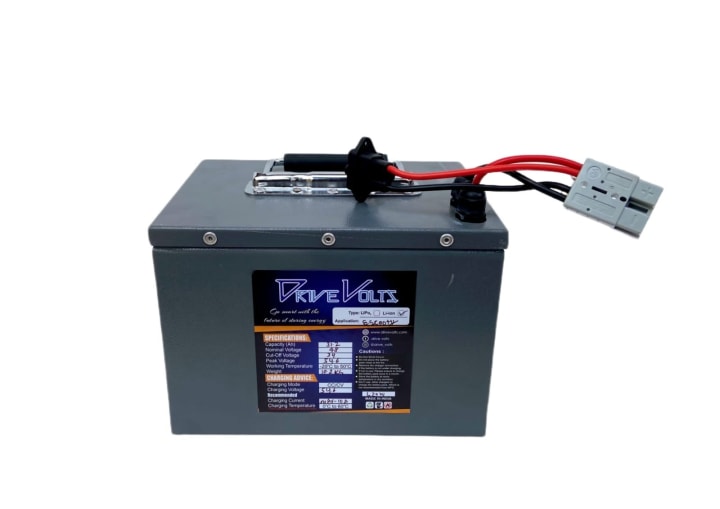
Charging times for the Ranger are competitive: many listings indicate a full charge in roughly 4–5 hours on standard chargers, and battery types used (Li-ion / LIPO4) and capacities differ across variants. The practical upshot is one overnight charge will cover long commutes and weekend rides — and with the larger battery options you get true day-long range confidence.
Tech, Safety & Kit: Dashboard, Lights and Brakes
Komaki has equipped the Ranger with a modern rider interface — a large TFT cluster in some trims, infotainment/navigation hints in reviews, USB charging and LED lighting. For safety the bike uses tubeless tyres and disc brakes; specific fitments and electronics (e.g., ABS or advanced rider aids) depend on the variant and market year, so check exact spec sheets when you buy. The Ranger also leans into accessories — backrests, saddlebags and touring kit are available to complete the cruiser look.

Price, Who It’s For and the Verdict
Price positioning places the Ranger well below many large ICE cruisers but above typical urban scooters — base ex-showroom figures reported in India sit in the neighborhood of ₹1.3–1.9 lakh depending on variant and optional packs. If you're after cruiser styling and real touring range without petrol’s noise and fuss, the Ranger is compelling. If you require regular sustained top-speed runs beyond 100 km/h, a different (sportier) platform would be a better match. Overall: the Komaki Ranger is an excellent pick for riders who want cruiser comfort, a long electric range, and touring capability in an accessible package.
Quick Reference Links & Sources
- Komaki official product / Ranger page (specs & variants).
- BikeDekho / ZigWheels for spec summaries and local pricing.
- Reviews & hands-on coverage (video writeups and road tests).
About the Creator
Keep reading
More stories from Shahzad Khan and writers in Wheel and other communities.
Kabira KM 3000 & KM 4000
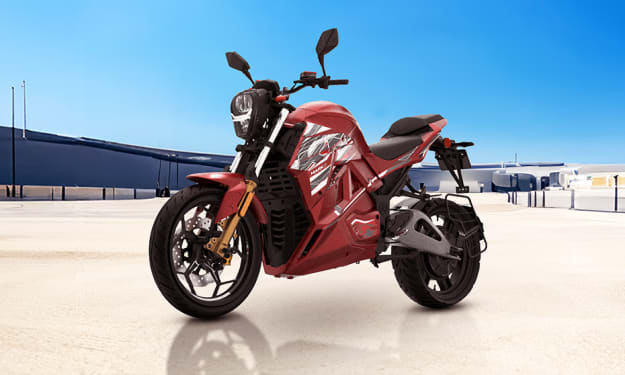
Electric motorcycles are shaking up the two-wheeler world, and Kabira Mobility’s KM series — especially the KM3000 and KM4000 — aim squarely at riders who want sporty looks, strong real-world performance and modern tech without the noise of ICE engines. Below I’ll walk you through these bikes step-by-step (7 clear points). Each section includes a related image (Google Images search link) so you can quickly see the styling or detail I’m describing.
By Shahzad Khan6 months ago in Wheel
A Historic Waterwheel Returns to Family Roots Along the Riverbank
The story of a Historic Waterwheel Returns to Family Roots is more than a tale of wood and water. It is a story of memory, family honor, and deep love for local history. For many years, the old waterwheel stood silent near the bend of a quiet river. Time and storms had worn it down. The wood had faded. The iron had rusted. Yet the spirit of the wheel never faded in the hearts of the family who once built and cared for it.
By Grady Gaston5 days ago in Wheel
Why Elon Musk Keeps Cutting Tesla Prices And What It Means For The Future Of EVs
The discounts keep coming, the stock keeps shaking, and the EV future suddenly feels a lot less predictable I remember the first time I realized Tesla had quietly dropped the price of a car I’d been obsessively speccing out.
By abualyaanart3 days ago in Wheel


Comments
There are no comments for this story
Be the first to respond and start the conversation.