
Kabira KM 3000 & KM 4000
Sporty e-motorcycles with premium features


Electric motorcycles are shaking up the two-wheeler world, and Kabira Mobility’s KM series — especially the KM3000 and KM4000 — aim squarely at riders who want sporty looks, strong real-world performance and modern tech without the noise of ICE engines. Below I’ll walk you through these bikes step-by-step (7 clear points). Each section includes a related image (Google Images search link) so you can quickly see the styling or detail I’m describing.
First Impression: Design & Stance
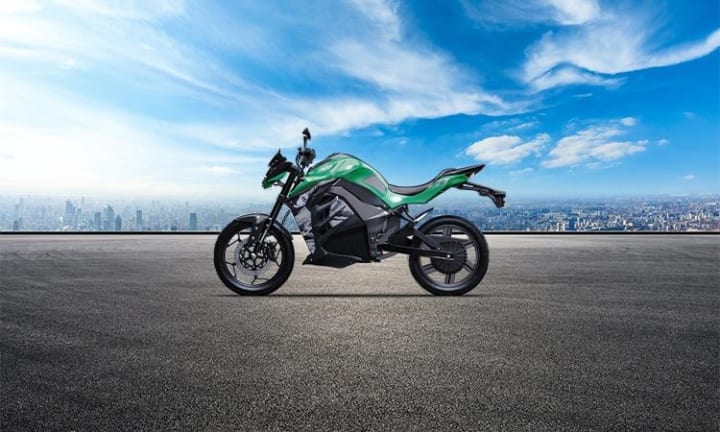
Short, aggressive fairings, a tucked riding position and a muscular tail define the KM3000 and KM4000. The KM3000 leans more toward full-fairing sport styling while the KM4000 has a slightly more premium, touring-capable silhouette depending on the variant. If you like modern sportbikes, these silhouettes make a strong first impression.

Powertrain Basics: Motors and Batteries
Kabira uses hub-mounted electric motors and Li-ion battery packs. The bikes come in different tune levels across variants, but the platform emphasizes a high-power electric motor with waterproofing and robust controllers for quick throttle response. Battery packaging is under the bodywork for a low center of gravity. For detailed spec tables and battery capacity numbers, check Kabira’s model pages and spec summaries.

Performance: Acceleration and Top Speed
Kabira lists the KM3000 with a claimed top speed of about 100 km/h, and the KM4000 is offered in higher trims with top speeds that can reach around 120 km/h on company specs. Both bikes deliver brisk acceleration (0–40 km/h figures in the low-to-mid seconds), making them feel quick off the line — ideal for city to highway commuting. These are real-world, road-legal performance e-bikes rather than slow commuter scooters.

Range & Charging: What to Expect
Range depends on riding mode and battery size. Kabira lists ranges in the triple-digit kilometres for the KM4000 (certified figures above 180–200 km on certain modes/variants) and shorter but still practical ranges for the KM3000 (around 100–130 km depending on mode). Charging times vary by charger and model — expect a few hours for full home charging and faster partial charges with boost/fast-charge options. Always treat manufacturer ranges as ideal numbers; real range depends on speed, terrain and throttle use.
Tech & Rider Features
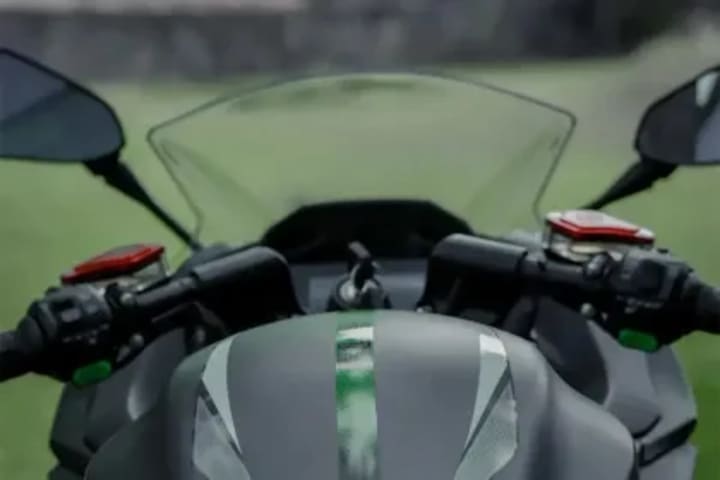
Expect modern rider aids: digital instrument clusters, multiple riding modes (Eco/Normal/Sport), Bluetooth/mobile connectivity and cruise control on higher trims. The instrument cluster reads out speed, battery %, range estimate and trip meters; higher trims may add smartphone connectivity for navigation and firmware updates. These additions make the bikes practical for daily use and longer trips.
Brakes, Chassis and Safety
On paper the KM models use disc brakes with combined braking systems (CBS) or dual combined braking setups on select variants to improve stability under hard stops. Aluminum or alloy swingarms and a reasonably light kerb weight (relative to battery size) help handling — reviewers note the bikes feel planted at speed and predictable in corners during test rides. Add the standard LED lighting and good tyre choices and you have a package focused on rider confidence.
Ownership: Price, Warranty and Practical Tips
Kabira has positioned these models competitively for their segment; manufacturer pages list introductory ex-showroom starting prices (examples in the ₹1.5–1.8 lakh bracket in India for certain trims — check local pricing for updates). Battery warranty is commonly multi-year (often around 3 years or a distance cap). If you’re buying: book a test ride, check local charging infrastructure, compare variant-to-variant battery sizes, and consider how often you’ll do highway runs versus city commuting.
Conclusion — Who Should Consider These Bikes?
If you want a sporty aesthetic, quick electric throttle, modern rider tech and practical daily range, the KM3000 and KM4000 are compelling choices in the emerging high-speed electric motorcycle space. The KM3000 targets riders who want sportbike looks with around 100 km/h top speed, while the KM4000 pushes toward higher top-end speed and longer range for mixed-use riding. Test ride both, compare the claimed specs against your typical ride profile, and pick the variant that best matches your daily needs and highway comfort.
About the Creator
Keep reading
More stories from Shahzad Khan and writers in Wheel and other communities.
Ultraviolette F77 (2024)
If you’ve been watching India’s performance-EV scene, the Ultraviolette F77 (2024 “Mach 2”) is the headline act: a sharply styled electric sportbike with up to 30 kW peak power, serious range, and tech you normally see on premium ICE motorcycles. Here’s a clear, step-by-step guide you can use as a website blog post—each step includes a relevant Google link to grab an image.
By Shahzad Khan6 months ago in Wheel
5 Best Food Choices at Auto Shows
Attending an auto show is an exciting experience filled with gleaming vehicles, innovative technology, and hours of walking through massive exhibition halls. With so much to see, you need the right fuel to keep your energy levels high. Here are five of the best food choices to enjoy during your next auto show visit.
By Karter Odin4 days ago in Wheel
Self-Driving Cars
If you watched the 2004 Will Smith film ‘I Robot’, you’ll know that a minor plot point is that cars in this future are, by default, self-driving. They can still be driven manually, but this is considered a risky choice which only Smith’s character chooses to do, due to being a fan of such ‘retro’ choices. When his car is wrecked during an attack late in the film, his boss assumes that he crashed due to driving manually (the one time in the film he actually wasn’t). At the time of the film’s release, self-driving cars must have seemed hugely futuristic to help to sell the future setting.
By Joe Morgan4 days ago in Wheel
📢 Raise Your Voice Thread: 03/05/2026
Our “Raise Your Voice Threads” are hosted most alternating Thursdays at 12PM ET to offer creators more avenues to uncover exceptional stories on Vocal. As we are continuously searching for fresh creators and inspiring stories, this thread provides an opportunity to exchange and discuss the stories that have moved and motivated us on Vocal.
By Raise Your Voice by Vocal2 days ago in Resources



Comments
There are no comments for this story
Be the first to respond and start the conversation.