
Identify and Manage Commercial Truck Tire Wear by Type
Know how to identify commercial truck tire wear patterns for safety and efficiency. Get help with tire repair services and maintenance tips to extend tire life.

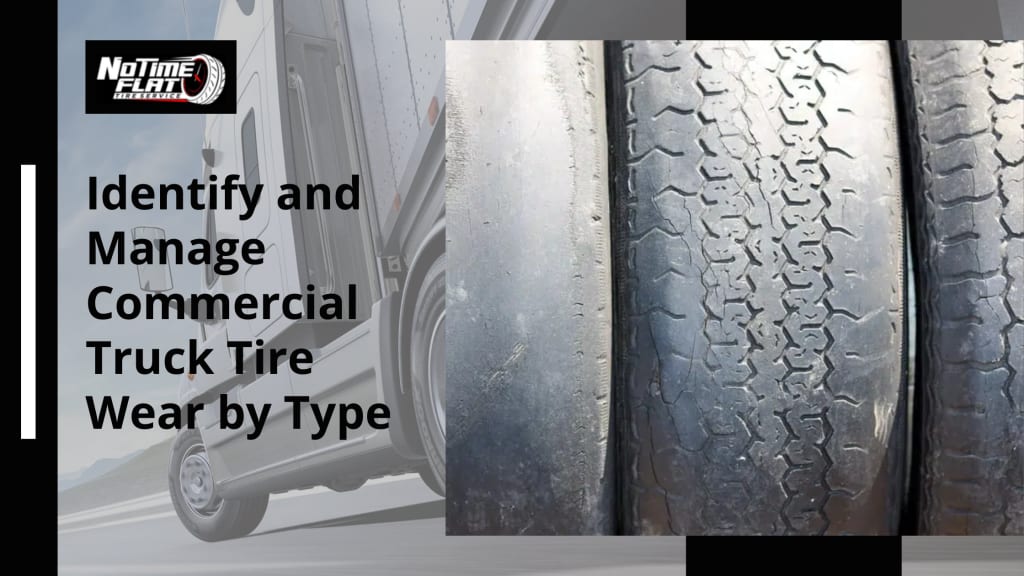
Are you a truck driver or fleet owner looking to keep your vehicles in top shape? Knowing truck tire wear is important for your safety and efficiency! Commercial truck tires face heavy loads and tough conditions every day which can lead to serious wear and tear.
By learning to identify different tire wear patterns, you can catch potential problems early and determine if you need tire repair services. Such knowledge helps extend the life of your tires as well as saves you money and prevents unexpected breakdowns.
In this article, we'll identify the various tire wear patterns and what they say about your trucks, helping you stay safe on the road and keep your operation running smoothly.
Different Types of Commercial Truck Tire Wear Patterns
Tires are essential for keeping your commercial trucks safe and efficient. The way they wear can tell you a lot about their condition and any problems that might be lurking.
By recognizing different tire wear patterns, you can catch issues early, saving money and ensuring a smoother ride. Take a closer look at the common types of tire wear you might see.
- Uneven Wear: Uneven tire wear is a common issue that shows irregular wear on the tread, meaning possible alignment or suspension problems. Areas of the tire may wear down faster than others, signaling the need for adjustments.
- Tire Cupping: Also known as scalloping, this wear creates a wavy pattern on the tire tread. It often results from worn shocks or unbalanced tires, leading to a rough ride and potential suspension issues.
- Feathering: Such a type of wear occurs when the edges of the tread wear down more than the center, often due to improper alignment settings. Feathering can decrease fuel efficiency and require alignment corrections.
- Camber Wear: Excessive wear on one side of the tire indicates a problem with the truck's camber angle. Such a tire wear can reduce traction and handling, impacting overall vehicle safety.
- Edge Wear: Wear concentrated on the outer or inner edges of the tread can signal overinflation, underinflation, or alignment issues. Persistent edge wear may compromise the tire's structural integrity.
Understanding these tire wear patterns, you can take action to keep your trucks in great shape. Each pattern gives you important clues about what might be wrong, helping you maintain your fleet and stay safe on the road.
Identifying Irregular Drive Tire Issues
Irregular drive tires can face multiple issues that require your attention.
- Various cuts and chunking may result from road debris or impact, compromising the tire's integrity.
- Damage to the brakes or skidding can indicate performance or alignment problems that affect safety.
- Stones stuck in your tire treads can lead to uneven wear and reduced traction, so it's important to regularly remove any debris.
- Wear and tear on the heel and toe of tires often points to alignment issues, impacting how the tire contacts the road.
- Lug wear or cupping on the tires can create a bumpy ride and may signal suspension problems or improper inflation.
Addressing these conditions promptly with the help of commercial truck tire repair services might help maintain your vehicle's performance and safety.
Keeping an Eye on Irregular Trailer Tire Conditions
Regularly inspecting your trailer tires is essential to keep them in good shape.
- Look out for uneven wear, where one part of the tire wears down more than the others, often caused by worn suspension or underinflation.
- You might also notice localized diagonal wear, which appears as flat spots across the tire due to misalignment or improper bearing adjustment.
- Damage from skidding and brakes can leave specific areas of excess wear, often linked to new brakes or an unbalanced brake system.
- Keep an eye out for wear and tear from the shoulder step, where the tire wears down on one edge, indicating potential alignment problems.
Addressing these irregularities can help ensure safe and smooth towing.
How to Make Your Commercial Truck Tires Last Longer?
To ensure your heavy-duty truck tires last as long as possible, it's important to keep a close eye on them and take good care of them. Tires are a significant investment, making up about 1% of the total cost-per-mile running a truck.
You can save money in the long run by making wise choices and sticking to regular maintenance. Here are some ways to help your tires last longer:
- Keep Up with Tire Care: Regularly checking your tires is crucial. It means looking at the tire pressure, rotating the tires, and ensuring they are balanced. Frequent inspections can help you spot problems before they get worse.
- Check Tire Pressure: Always make sure your tires are inflated to the right level. Tires that are too low or too high in pressure can wear out unevenly and use more fuel. Make it a habit to check and adjust the pressure regularly.
- Choose the Right Tires: When picking tires for your truck from commercial tire sales, make sure they fit your specific needs. Think about how much weight they need to carry, the tread design, and the type of roads you’ll be driving on.
- Follow a Maintenance Schedule: Set up a regular maintenance plan at a trusted truck service center. It must include checking your tires, changing fluids, and fixing any issues quickly to keep them in good condition.
- Consider Retreading: Retreading your tires can be an innovative and cost-effective way to extend their life. Quality retreaded tires can perform just as well as new ones, making them an excellent choice for saving money and being environmentally friendly.
Keep Your Trucks Rolling Safely with Commercial Truck Tire Assistance!
Knowing the commercial truck tire wear patterns is essential for extending the life of your tires as well as ensuring the safety and efficiency of your operations. You can quickly address any underlying issues and avoid expensive breakdowns by spotting different wear patterns.
Remember to perform regular maintenance, monitor tire pressure, choose the right tires, and stick to a preventive maintenance plan to maximize your tire lifespan. Regular inspections will help you keep your heavy-duty truck in top shape.
If you notice any signs of tire wear or if your tires seem unsafe, don't hesitate to contact No Time Flat. The experts will help you with 24/7 emergency roadside flat tire service and provide you with the best tires from commercial tire sales to ensure road safety!
About the Creator
No Time Flat
Top-notch tire services and quality tires at No Time Flat in Jenison, MI. Whether you need tire installations, repairs, or maintenance, we've got you covered.
Keep reading
More stories from No Time Flat and writers in Wheel and other communities.
Essential Tips to Manage a Flat Tire in Winter Conditions
Winter sometimes brings unexpected surprises, especially when your vehicle faces a flat tire situation. As temperatures drop, tires are at a higher risk of punctures, and getting stranded in icy conditions can be a real nightmare.
By No Time Flat12 months ago in Wheel
Rego Hacks That Save Hundreds in 2026
Vehicle registration is one of those unavoidable expenses that many drivers accept without question, yet a closer look often reveals opportunities to save real money. As 2026 approaches, changes in transport policies, vehicle classifications, and digital systems mean drivers who stay informed can reduce rego costs legally and with minimal effort. Whether you own a daily commuter, a secondary car, or an aging vehicle you barely use, understanding how registration works can help you avoid paying more than necessary.
By Austin Peck4 days ago in Wheel
Reducing Scrap And Rework: How Checking Fixtures Improve Quality And Lower Costs In Automotive Manufacturing
In automotive manufacturing, where margins are tight and production volumes are high, even small dimensional errors can snowball into significant financial losses. Scrap, rework, warranty claims, and line stoppages all stem from one core issue: parts that do not meet design intent.
By Alexander Belsey7 days ago in Wheel


Comments
There are no comments for this story
Be the first to respond and start the conversation.