
Hybrid vs. Plug-In Hybrid: What’s the Difference and Which One is Right for You?
"Understanding the Key Differences Between Hybrid and Plug-In Hybrid Cars to Help You Make the Best Choice"
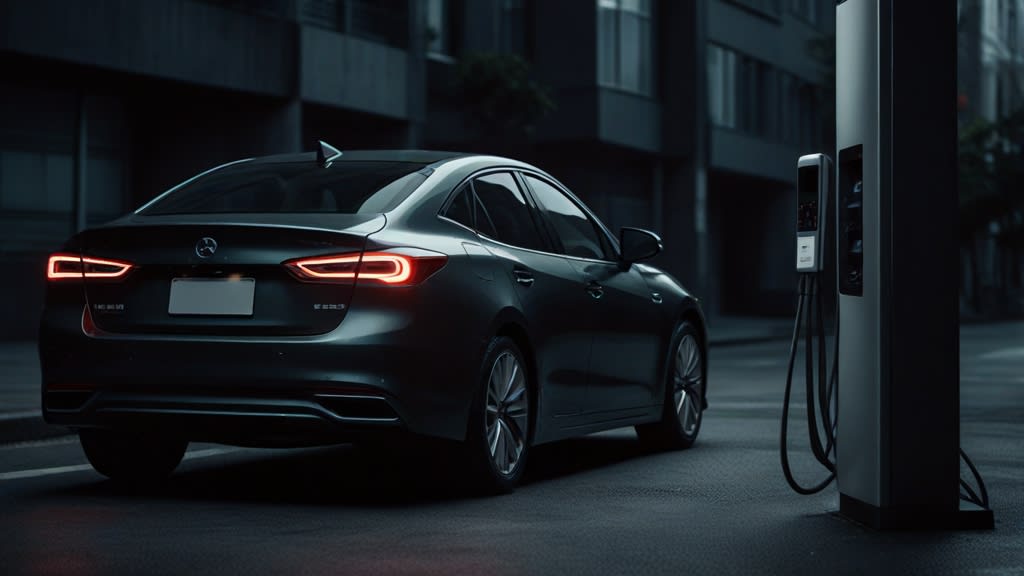
As more people look for ways to reduce their carbon footprint and save on gas, hybrid and plug-in hybrid vehicles are becoming more popular. But what exactly is the difference between a hybrid and a plug-in hybrid? And which one should you choose if you're thinking about switching to a greener car? In this article, we’ll break it down in simple terms, so you can make an informed choice.
What is a Hybrid Car?
A hybrid car, often called a “regular hybrid,” combines a traditional gasoline engine with an electric motor. The key feature of a hybrid is that it doesn’t need to be plugged in. Instead, it charges its battery while you drive, usually when you brake or coast. This process is known as "regenerative braking." The electric motor helps the gas engine by providing power at lower speeds, reducing the amount of fuel the car uses.
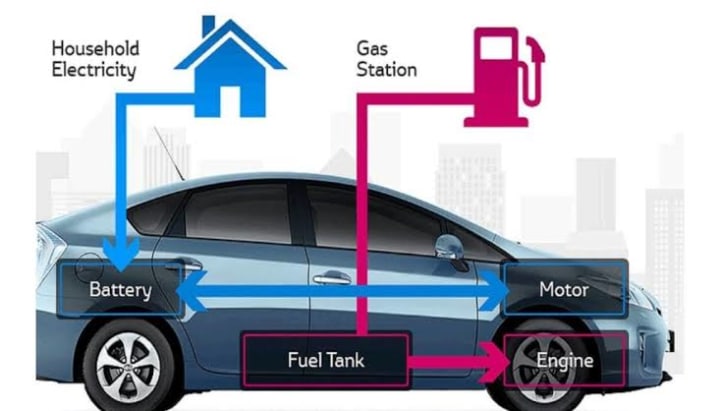
For example, if you're driving in slow-moving traffic or cruising around the city, the electric motor might do most of the work, while the gasoline engine takes over when you need more power, like when you're speeding up or driving on the highway.
What is a Plug-In Hybrid Car?
A plug-in hybrid is similar to a regular hybrid, but with one big difference: you can plug it into an outlet to charge the battery. Plug-in hybrids have larger batteries than regular hybrids, which allows them to drive longer distances using just electricity. Once the battery runs out of power, the gasoline engine kicks in, just like a regular hybrid.
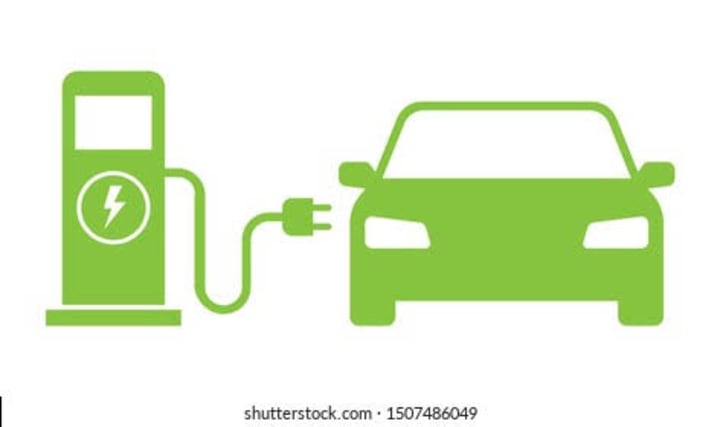
This means you can drive in “electric-only mode” for short trips without using any gas. For longer trips, the gas engine provides backup, so you won’t have to worry about running out of charge.
How Do They Compare in Terms of Fuel Efficiency?
One of the main reasons people buy hybrids and plug-in hybrids is to save on fuel costs. In general, both types of cars are more fuel-efficient than traditional gas-powered cars, but the level of efficiency depends on how you drive and how often you charge the vehicle.
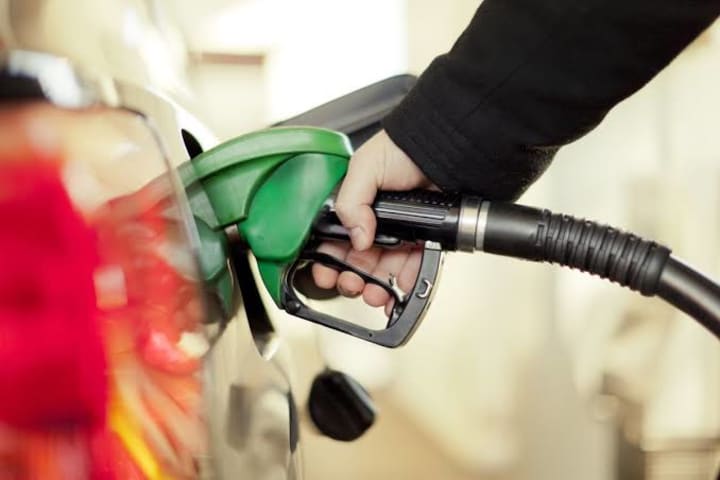
Hybrid Cars: Regular hybrids are fuel-efficient because they use the electric motor to assist the gasoline engine. They don’t use as much gas when driving at low speeds, making them great for city driving. However, because they can't be plugged in, the electric motor has limited range, and you’ll still be using gasoline most of the time, especially for longer trips.
Plug-In Hybrid Cars: Plug-in hybrids have the advantage of being able to drive on electricity alone for short trips, usually between 20 and 50 miles depending on the model. This means you can do your daily commute or run errands without using any gas if you remember to charge the car regularly. For longer trips, the gas engine takes over, so you don’t have to worry about finding a charging station.
In short, if you charge your plug-in hybrid regularly, you’ll use a lot less gas compared to a regular hybrid. If you don't charge it, it will work like a regular hybrid, but you won’t get the full benefits.
Costs and Savings
When it comes to the cost, hybrids and plug-in hybrids are generally more expensive than traditional gas-powered cars. However, they can save you money in the long run, especially on fuel.

Hybrid Cars: Regular hybrids tend to be less expensive than plug-in hybrids. Since you don't need to plug them in, there are no extra costs for installing a home charger or paying for electricity. However, your savings on fuel won’t be as high compared to a plug-in hybrid, especially if you do a lot of city driving.
Plug-In Hybrid Cars: Plug-in hybrids are typically more expensive than regular hybrids, both in terms of the car itself and the cost of installing a home charging station. However, if you use the electric-only mode often, you’ll save more on gas in the long run. Additionally, some governments offer tax credits or rebates for buying a plug-in hybrid, which can help offset the higher upfront cost.
Charging Convenience
Charging is another key difference between hybrids and plug-in hybrids.
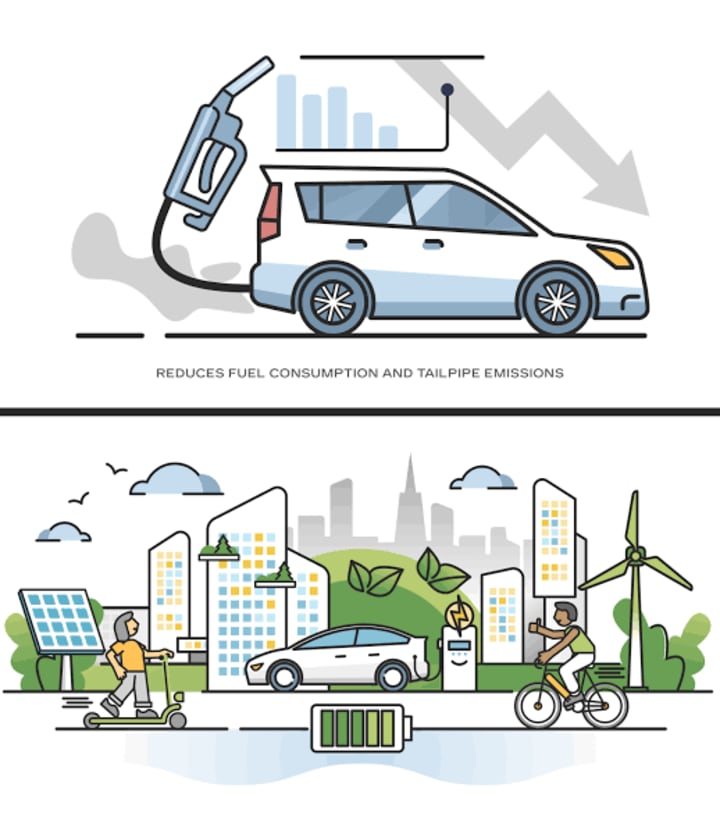
Hybrid Cars: Regular hybrids don’t need to be plugged in, so there’s no need to worry about charging. The car automatically charges itself while you drive, so it’s just as convenient as a traditional gas-powered car.
Plug-In Hybrid Cars: Plug-in hybrids require a bit more planning because you need to charge the battery to get the most benefit. Most people charge their plug-in hybrids at home overnight, using a standard wall outlet or a faster charging station. You can also charge at public charging stations, but if you forget to charge it, your car will still run on gas like a regular hybrid.
Which One is Right for You?
So, which type of hybrid is best for you? It depends on your driving habits and lifestyle.
If you mostly drive short distances– like a daily commute of 20-30 miles or less – a plug-in hybrid might be a great choice. You could drive in electric-only mode most of the time, saving a lot on fuel.
If you drive long distances frequently or don’t have easy access to charging stations, a regular hybrid might be more convenient since you don’t need to worry about charging it.
If upfront cost is a major concern, regular hybrids are usually cheaper than plug-in hybrids and still offer great fuel savings.
Conclusion
Both hybrids and plug-in hybrids offer benefits for drivers looking to save on gas and reduce their environmental impact. Regular hybrids are a simpler, lower-cost option, while plug-in hybrids offer greater fuel savings if you’re willing to charge the vehicle regularly. Whichever option you choose, both types of vehicles are steps toward a greener, more sustainable way of driving.
About the Creator
The Lunar Check-In: Engineering the First Five-Star Stay in the Stars
The silent, silver plains of the Moon—once the exclusive playground of Cold War pioneers and robotic rovers—are about to get a lot more hospitable. We aren’t just talking about research outposts or "survival pods" anymore. We are talking about high-thread-count sheets, panoramic views of the "Earth-rise," and the logistical miracle of hospitality at 1/6th gravity. The dream of the Lunar Hotel is no longer confined to the pages of 1950s pulp fiction; it is currently being drafted on the CAD programs of the world’s most ambitious aerospace firms.
By yusuf selho7 days ago in Wheel
Why Putrajaya Remains One of the World’s Least Known Government Cities
When people think of Malaysia, the bustling skyline of Kuala Lumpur usually comes to mind. The famous Petronas Twin Towers dominate postcards and travel brochures, symbolizing the country’s modern progress. Yet, few outside Southeast Asia realize that Malaysia’s administrative heart is not Kuala Lumpur at all. Instead, the country’s government operates from a quieter, carefully designed city known as Putrajaya.
By Irshad Abbasi a day ago in Wheel
Top tipple tricks
Been thinking a lot about drinking, lately. Not least because of a recent episode of over-indulgence and the inevitable after effects. Some readers may recall the earlier articles I wrote about beating the booze. Here I set out an experiment in techniques for cutting down on my alcohol intake. The experiment was successful, the techniques worked, and I have armed myself with an arsenal of weapons in the war against the demon drink. I have yet to fire the first round however. It's all a question of timing (perhaps procrastination).
By Raymond G. Taylor7 days ago in Psyche




Comments
There are no comments for this story
Be the first to respond and start the conversation.