
How to Diagnose Suspension Problems in an Audi: Key Signs and Expert Tips
Diagnose Suspension Problems in an Audi

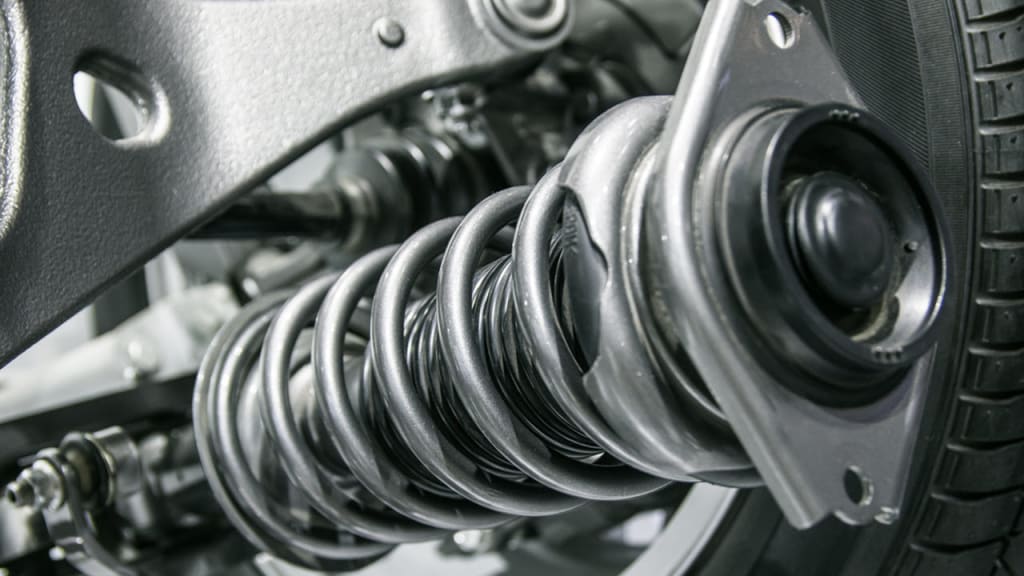
A smooth and controlled ride is a hallmark of Audi vehicles, but when suspension problems arise, they can significantly impact handling, comfort, and safety. Ignoring these issues can lead to more extensive and costly repairs. This guide will help you identify common signs of suspension problems in your Audi and offer expert tips for accurate diagnosis and timely repairs.
Common Signs of Suspension Problems in Audi Vehicles
Unusual Noises
Clicking, clunking, or creaking sounds when driving over bumps or making turns often indicate issues with suspension components such as ball joints, control arms, or bushings.
Uneven Tire Wear
Excessive or uneven tire wear may suggest improper alignment or worn suspension parts, affecting the balance and stability of your Audi.
Poor Handling or Steering Response
A noticeable change in your Audi's steering response, such as excessive play or difficulty maintaining a straight line, could be due to worn shocks, struts, or tie rods.
Excessive Bouncing or Dipping
If your Audi continues to bounce after hitting a bump or dips excessively when braking, it may be a sign of failing shocks or struts.
Vehicle Pulling to One Side
If your car pulls to one side while driving, it could be caused by uneven suspension height or alignment issues, often due to worn springs or control arms.
Leaking Fluid
Leaks around the shock absorbers or struts indicate that these components are failing and need replacement to maintain proper suspension performance.
Steps to Diagnose Audi Suspension Problems
1. Perform a Visual Inspection
Start by examining key suspension components, including shocks, struts, control arms, and bushings. Look for signs of wear, cracks, or leaks.
2. Check Tire Condition
Inspect the tires for uneven wear patterns. Uneven wear often points to suspension misalignment or damaged components that need attention.
3. Test the Bounce
Perform a simple bounce test by pushing down on each corner of the vehicle. If the car continues to bounce more than once after releasing, it indicates worn-out shocks or struts.
4. Listen for Noises
Drive your Audi on various road conditions and listen for unusual sounds when turning or going over bumps. Clunking or creaking noises can help pinpoint failing components.
5. Assess Steering Performance
Pay attention to any changes in steering response. Difficulty steering or excessive vibration in the steering wheel may indicate suspension or alignment issues.
6. Use Diagnostic Tools
For a more thorough diagnosis, use specialized diagnostic tools to check for fault codes related to the suspension system. This step is especially useful for Audi models with advanced air suspension systems.
Professional Diagnosis and Repair
While basic checks can help identify obvious suspension problems, a professional inspection is essential for a precise diagnosis. Certified Audi technicians have the expertise and equipment to thoroughly inspect and repair your suspension system, ensuring optimal performance and safety.
Preventive Maintenance Tips
Regular Inspections: Schedule routine inspections to catch minor suspension issues before they escalate.
Alignments: Ensure proper wheel alignment to prevent uneven tire wear and maintain stable handling.
Quality Parts: Always use OEM or high-quality aftermarket parts to maintain the integrity of your Audi's suspension system.
Conclusion
Diagnosing suspension problems early can prevent further damage and costly repairs while keeping your Audi running smoothly and safely. By recognizing the warning signs and seeking expert assistance when needed, you can maintain optimal ride quality and performance for years to come.
About the Creator
JCL Automotive
JCL Automotive is one of the leading automotive service and repair facility located in Hellertown, PA. We are proud to assist our customers in looking after high-end cars like Audi, BMW, and Mercedes.
Keep reading
More stories from JCL Automotive and writers in Wheel and other communities.
Troubleshooting Your Mercedes Check Engine Light: Expert Tips and Common Diagnostic Insights
The check engine light in your Mercedes-Benz is a critical indicator of potential issues within your vehicle’s complex systems. Ignoring this warning light can lead to more severe problems down the road, impacting both performance and reliability. This article aims to provide you with expert tips and insights into troubleshooting the check engine light in your Mercedes-Benz, helping you understand common causes and diagnostic procedures.
By JCL Automotive2 years ago in Wheel
How, Too”: Understanding the Power of Process and Inclusion in Modern Thinking
At first glance, the phrase “How, Too” looks incomplete, almost confusing. It seems like a fragment pulled from a larger sentence, a pause in thought rather than a conclusion. Yet when examined more closely, “How, Too” captures two of the most important questions shaping modern discourse: how things are done, and who is included as part of that process, too. In an era defined by rapid change, accountability, and demands for inclusion, these two small words carry surprising depth.
By Salaar Jamalia day ago in Wheel
Premium Gas is Draining Your Wallet ━ Unless You Need it
Have you ever wondered whether premium fuel could actually help your engine? Fuels rated at 91–93 octane do resist detonation better than lower-octane fuels, and in some cases they can burn more completely. But does that mean your engine will run better, last longer, or get more power?
By Jack Martinabout 12 hours ago in Wheel



Comments
There are no comments for this story
Be the first to respond and start the conversation.