
How Tire Pressure Monitoring Systems Keep You Safe?
Find out how Tire Pressure Monitoring Systems (TPMS) improve your safety, improve fuel efficiency, and extend tire life for a better driving experience.

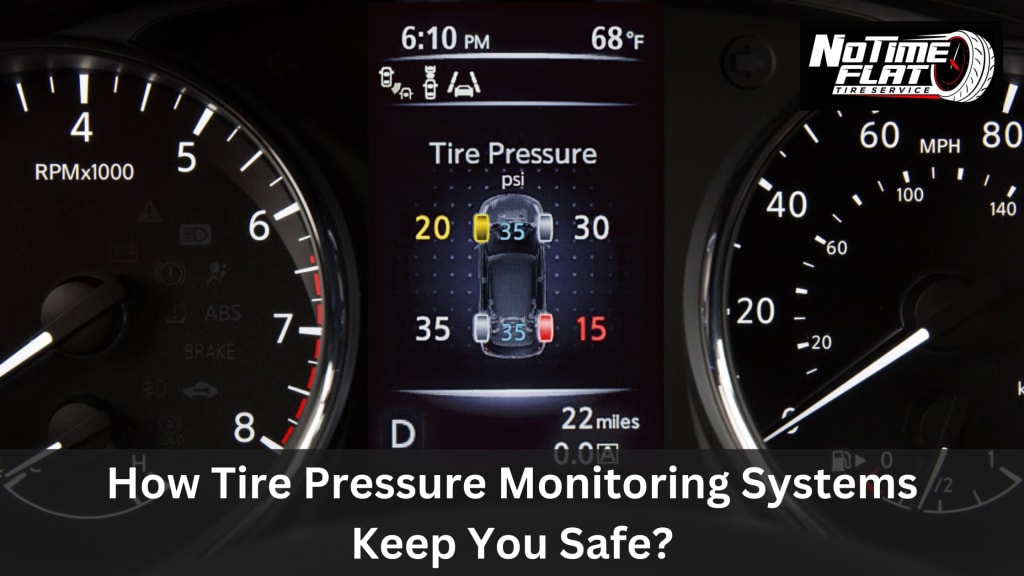
Your tires are the only part of your vehicle that touches the road, making them essential for your safety and driving experience. While tire wear can be a long-term issue, tire pressure can change daily, impacting your vehicle's performance and fuel efficiency. Tire Pressure Monitoring System, or TPMS, is an innovative system that uses sensors to check the air pressure in each tire continuously.
If the pressure drops too low, a warning light alerts you, helping prevent dangerous situations on the road. By understanding how TPMS works, you'll see just how important it is for keeping you safe and ensuring a smooth drive. Read further to learn how this technology benefits you by keeping you safe on the road!
What is Tire Pressure Monitoring System and Its Purpose?
The tire pressure monitoring system (TPMS) is an important feature that keeps you and your vehicle safe. Its main goal is to notify drivers when one or more tires are extremely underinflated, which can create serious safety risks and negatively impact vehicle performance. By using this system, you can help prevent tire-related accidents, improve fuel efficiency, extend the lifespan of your tires, and ensure your vehicle operates at its best.
TPMS works automatically, continuously checking the air pressure in your tires. If the pressure drops too low or goes too high, the system sends a warning, often through a light on your dashboard. With TPMS, you gain extra safety and confidence every time you hit the road!
The Importance of Tire Pressure Monitoring Systems for Your Vehicle
The Tire Pressure Monitoring System (TPMS) is a key component in modern vehicles that helps keep you safe and your tires in good shape. Proper tire pressure is required for your safety and the longevity of your tires. Here are the reasons why a TPMS in your vehicle is necessary, highlighting its benefits and how it contributes to your overall driving experience.
Safety First:
Proper tire inflation is critical for safety. Under-inflated tires can overheat and fail, while over-inflated tires can lose grip on the road, increasing the chances of skidding. The TPMS alerts you right away if your tire pressure is too low or too high, helping prevent dangerous blowouts and loss of control, which contribute to thousands of accidents each year.
Save on Fuel:
Proper tire pressure greatly influences fuel efficiency. When tires are under-inflated, they require more energy to roll, which means you'll spend more on gas. It's estimated that under-inflated tires waste around two billion gallons of fuel annually in the U.S. alone, translating to higher costs for drivers like you.
Extend Tire Life:
Keeping your tires at the right pressure promotes even wear, greatly extending their lifespan. Under-inflated tires wear out unevenly and more quickly, meaning you'll have to replace them sooner. Proper inflation can help you get the most out of your tires and save money in the long run.
Improved Performance:
Correct tire pressure ensures your vehicle handles as intended. It affects ride comfort and steering precision. While shock absorbers handle larger bumps, the right tire pressure smooths out smaller imperfections in the road. Too low pressure can make your ride feel soft and uncertain, jeopardizing stability.
With a Tire Pressure Monitoring System in your vehicle, you're not just investing in a feature; you're prioritizing your safety, savings, and overall driving experience!
How Does Tire Pressure Monitoring System Work? Explained!
Understanding how a Tire Pressure Monitoring System (TPMS) operates can help you appreciate its importance in keeping your vehicle safe. There are two major types of TPMS: direct and indirect.
Direct TPMS uses sensors placed inside each tire to send real-time pressure data to your car's computer system. This means you can see exactly how much air is in each tire, which is super helpful! If your car has a high-line system, it will display the individual tire pressures, making it easy to keep track. A Low-line TPMS will simply light up a warning when tire pressure is low, and it's up to you to check which tire needs attention.
Indirect TPMS takes a different approach. Instead of using sensors in the tires, it relies on the vehicle's Antilock Braking System (ABS) to monitor the speed of each wheel. If a tire is under-inflated, its smaller size means it has to roll faster than the others, which alerts the system. While this method is less expensive, it has some downsides, like less accuracy and not being able to tell you which tire is low. If the TPMS light comes on, you'll need to check each tire manually with a gauge to find the problem.
Knowing how these systems work from a tire repair shop expert can help you take better care of your tires and ensure a safer driving experience!
How to Keep Your Tire Pressure Monitoring System Running Smoothly?
Understanding and maintaining your Tire Pressure Monitoring System (TPMS) is key to ensuring your vehicle stays safe and your tires last longer. Here are some helpful tips to ensure your TPMS is working well and to help you understand its alerts.
- Even though you have a TPMS, manually checking your tire pressure during regular maintenance is still a good idea.
- If the TPMS warning light lights up, it usually means a tire is low on air. But if the light is blinking and stays on, it could be a sign of a problem with the system itself.
- Remember that the sensors in your TPMS run on batteries, which will eventually need replacing after years of use.
Being aware of this will help ensure that your TPMS is always ready to inform you about your tire pressure. When needed, taking these steps and using an expert tire pressure monitoring service enables you to maintain your tires and keeps you safer on the road!
What if your TPMS could be your lifesaver?
Imagine if your car could help save your life one day!
Nissan announced their new “Easy Fill Tire Alert” system for the 2012 Altima. This smart feature tells you when your tires are low on air and which ones need help. When you reach a gas station, the horn will chirp happily when your tires are just right. If you accidentally add too much air, it lets you know with a different sound. This makes it easier for drivers to keep their tires safe. But remember, even with this cool tech, everyone must be careful about checking their tire pressure. Your TPMS can watch over you, but staying aware is key to staying safe!
Why Tire Pressure Matters in Keeping Drivers Safe on the Road?
Regularly checking your tire pressure is one of the most crucial things you can do for your safety while driving. Federal law requires that all cars, trucks, and vans weighing under 10,000 pounds have a Tire Pressure Monitoring System (TPMS) installed. Despite this helpful feature, many drivers still overlook tire pressure warnings, leading to severe problems beyond just a flat tire.
An analysis from the National Highway Traffic Safety Administration revealed that vehicles with tires under-inflated by 25% or more are three times more likely to be in a crash due to tire issues. Alarmingly, about 28% of vehicles are currently driving with at least one significantly under-inflated tire. Checking your tire pressure is essential for everyone’s safety.
Stay Safe and Save Money with TPMS By Your Side!
The Tire Pressure Monitoring System (TPMS) is more than just a high-tech feature; it's an essential tool for your safety and savings. By keeping an eye on your tire pressure and regularly checking it manually, you help ensure a safer driving experience and make your vehicle more fuel-efficient.
Remember, properly inflated tires last longer and protect you and others on the road. So, take a moment to contact tire services providers to check your tire pressure and follow the manufacturer's guidelines. Your safety and savings are worth it!
About the Creator
No Time Flat
Top-notch tire services and quality tires at No Time Flat in Jenison, MI. Whether you need tire installations, repairs, or maintenance, we've got you covered.
Keep reading
More stories from No Time Flat and writers in Wheel and other communities.
Guide on How to Read a Tire Sidewall Marking
Your tire has a very useful feature—the sidewall marking. It contains important information like tire name, size, tube type, maximum load, and more. Learning how to read a tire sidewall marking will help you understand its purpose, dimensions, and capacity which enables you to make informed decisions when buying tires.
By No Time Flat2 years ago in Wheel
Common Mercedes Repair Issues Drivers Experience As Their Vehicle Ages
Mercedes-Benz is a constant competitor when it comes to discussing the best luxury brands. By combining high-end materials and superior craftsmanship, Mercedes models continue to be highly desirable even as they age. Buying an older Mercedes has become the go-to option for drivers looking for luxury on a more reasonable budget. Whether you’re looking at buying an older Merc, or just can't seem to part ways with your aging Bavarian, these are some of the common Mercedes repair tasks to be aware of.
By Foreign Affiars Motorsport4 days ago in Wheel
Writing To Succeed
If you want to find something that will help readers find your writing, possibly expand your audience, and maybe even get you noticed for other things, then you’re not alone. But how can you get it done in a world full of want-to-be writers? Look less at what you’re writing now, and more at what other writers have used to boost their views and reads.
By Jason Ray Morton 6 days ago in Writers


Comments
There are no comments for this story
Be the first to respond and start the conversation.