
How Long Electric Car Batteries Last in Everyday Use
A clear explanation of battery life in modern electric vehicles

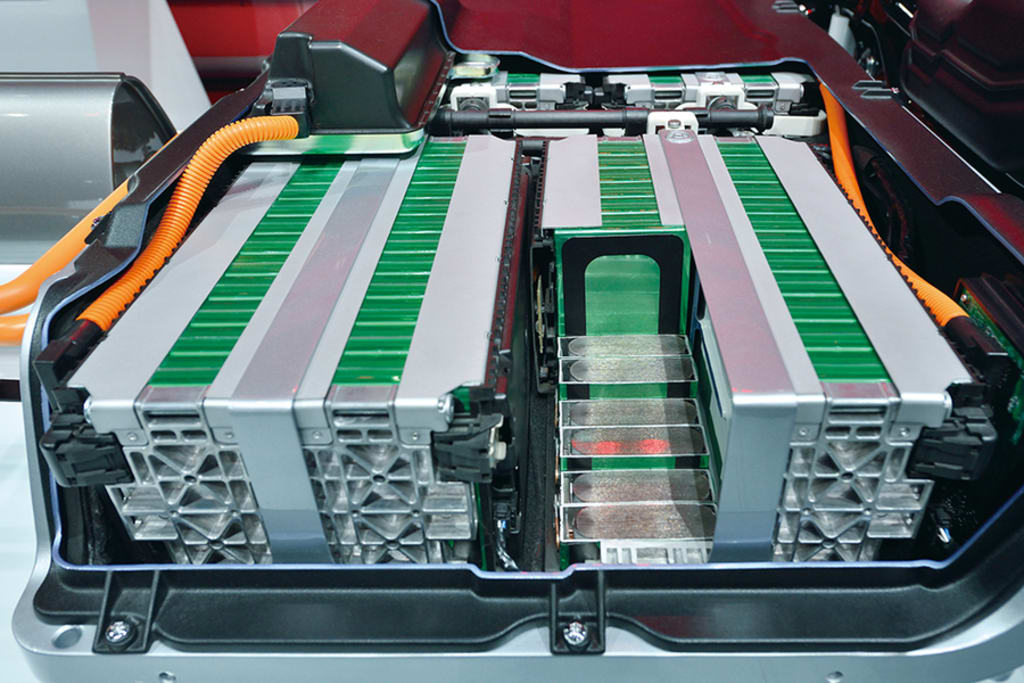
Electric vehicles continue to gain attention worldwide, but battery lifespan remains one of the most common concerns for people considering an EV. Unlike petrol or diesel cars, electric vehicles rely entirely on stored electrical energy, making the battery the most critical and expensive component. Understanding how long these batteries last helps buyers evaluate long-term costs, ownership expectations, and whether an electric vehicle fits their lifestyle.
What an Electric Car Battery Is Designed to Do
Electric car batteries are large, complex systems made up of thousands of individual cells working together. Most modern EVs use lithium-ion batteries because they provide high energy density, reliability, and efficiency. These batteries are engineered for years of repeated charging and discharging, far beyond what consumer electronics batteries are built to handle. Advanced battery management systems constantly monitor temperature, charge levels, and performance to maintain stability and safety.
Typical Battery Lifespan in Real-World Conditions
In real-world driving conditions, electric car batteries generally remain functional for eight to fifteen years. Many drivers report minimal performance loss during the first several years of ownership. Instead of suddenly failing, batteries experience gradual capacity reduction. This means the vehicle continues to operate normally, but the maximum driving range slowly decreases over time. For most drivers, this reduction does not significantly affect daily use for many years.
How Manufacturers Protect Buyers with Warranties
Automakers provide long-term warranties to address concerns about battery durability. Most electric vehicles come with battery coverage lasting eight years or a high mileage limit, whichever comes first. These warranties typically guarantee that the battery will maintain a certain level of capacity during that period. This protection demonstrates manufacturer confidence and reduces financial risk for buyers, especially those purchasing their first electric vehicle.
End-of-Life Options for Electric Car Batteries
When an electric car battery reaches the point where it no longer meets a driver’s needs, it still holds value. Some batteries are reused in energy storage systems for homes, solar installations, or backup power solutions. Others are recycled to recover valuable materials such as lithium, nickel, and cobalt. In Australia, responsible vehicle disposal services, including Perth car removal, ensure electric vehicles are dismantled safely so batteries are handled in compliance with environmental and safety regulations rather than discarded improperly.
Is Battery Replacement a Practical Option
Battery replacement is possible, though it is rarely needed during the early years of ownership. Costs depend on the vehicle model, battery size, and whether partial module replacement is an option. In some cases, only specific sections of the battery pack need replacement, which lowers overall expense. As battery production increases and technology advances, replacement costs continue to decline, making long-term ownership more accessible.
Driving Habits That Influence Battery Wear
How a vehicle is driven plays a major role in battery longevity. Frequent rapid acceleration, constant high-speed driving, and repeated use of fast chargers can increase wear over time. Environmental factors also matter, as prolonged exposure to extreme heat or cold can accelerate degradation. Vehicles driven smoothly and charged under moderate conditions tend to retain battery capacity longer than those subjected to constant stress.
Charging Practices That Help Batteries Last Longer
Charging behavior has a measurable impact on battery health. Regularly charging to full capacity or allowing the battery to drop to very low levels increases strain on battery cells. Many manufacturers recommend keeping the charge level between moderate ranges for everyday use. Modern EVs include software features that allow owners to set charging limits, helping protect long-term battery performance without affecting convenience.
Ongoing Improvements in Battery Technology
Battery technology continues to evolve, with newer electric vehicles benefiting from improved materials, better cooling systems, and smarter energy management software. These advancements reduce degradation and increase overall lifespan. Researchers are also exploring next-generation battery designs that promise longer life cycles and faster charging. As these innovations move from development to production, future electric vehicles are expected to outperform today’s models in durability and efficiency.
What Owners Can Expect Over Time
For most owners, electric car batteries provide years of dependable service with minimal attention. Range reduction happens gradually and is often unnoticeable in daily driving. Many vehicles remain practical well beyond their warranty periods, especially for commuting and city use. With proper care and realistic expectations, battery longevity is rarely a limiting factor for electric vehicle ownership.
Closing Perspective
Electric car batteries are built for long-term use and supported by strong warranties and advancing technology. While no battery lasts forever, modern EV batteries offer reliability that rivals traditional engines in lifespan. As recycling systems improve and battery innovation accelerates, concerns about longevity continue to fade. For drivers considering an electric vehicle today, battery life is no longer a major unknown but a well-understood and something most EV owners can plan for with confidence.
About the Creator
Keep reading
More stories from Austin Peck and writers in Wheel and other communities.
How to Know When Your Car Needs Regular Maintenance
Keeping a vehicle in good condition requires more than just filling it with fuel. Car maintenance involves routine inspections of essential systems such as brakes, tires, engine, transmission, suspension, and fluids. Regular maintenance ensures your car performs efficiently, stays reliable, and reduces the chance of unexpected breakdowns. By maintaining your car proactively, you also extend its lifespan, reduce fuel consumption, and help minimize environmental impact. Understanding the importance of maintenance can save money in the long run and keep your driving experience smooth and stress-free.
By Austin Peck10 days ago in Wheel
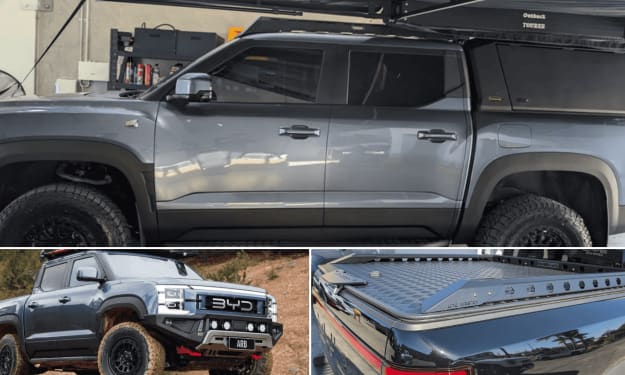
What Are the Best BYD Shark 6 Accessories for Touring, Work & Off-Road?
The BYD Shark 6 has quickly earned a reputation as a capable, tech-forward ute built for modern Australian drivers. But while the factory setup is impressive, its true potential is unlocked with the right byd shark 6 accessories. Whether the vehicle is used for long-distance touring, demanding job sites, or weekend off-road escapes, the right upgrades can dramatically improve performance, safety, and usability.
By Maka Offroadabout 12 hours ago in Wheel
🅼🅸🅳🅽🅸🅶🅷🆃 🆂🅽🅰🅲🅺🆂
"It's 10 in Tuscon! We all know what that means... It's Time for Midnight Snacks with your man, Gerald Gee! Ready to spend the night together? Me too! I'm full of snacks and can't wait to regurgitate them all back into your hungry ears. Crack a brew! Pop some corn! Anything to get ready for one hell of a show where the talk maybe cheap but the words cut deep...
By Lamar Wiggins7 days ago in Fiction



Comments
There are no comments for this story
Be the first to respond and start the conversation.