
Factors Influencing Stone Crusher Prices
When evaluating stone crusher prices, it is essential to adopt a Total Cost of Ownership (TCO) perspective. The initial purchase price is just one part of the equation.
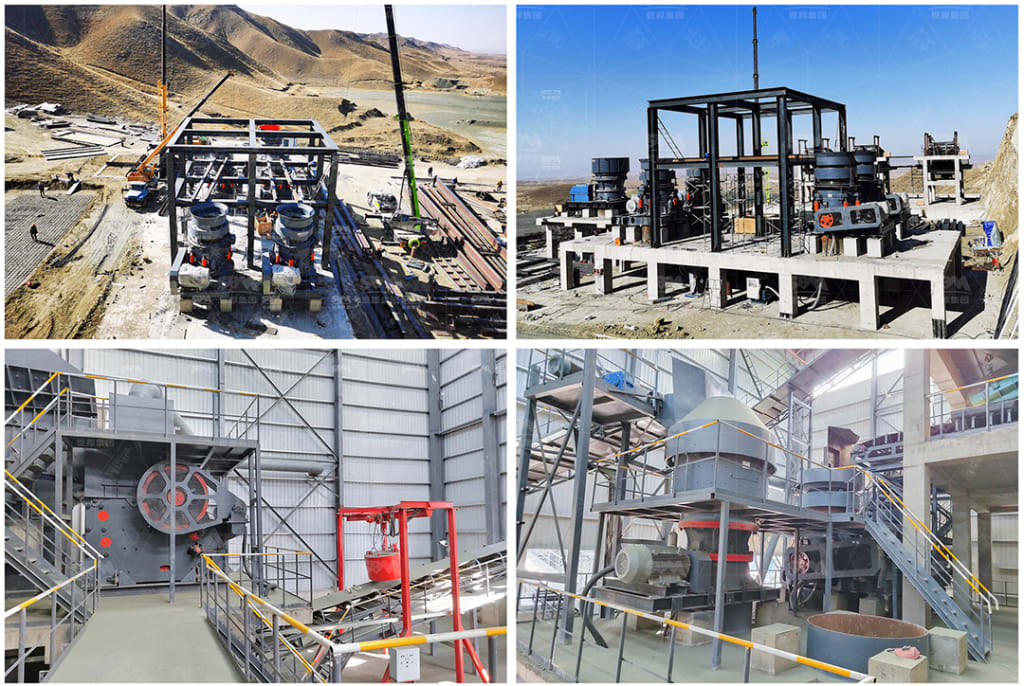
For anyone in the construction, mining, or aggregate recycling industries, understanding the cost drivers of a stone crusher is crucial for budgeting and making a sound investment. The price tag is not arbitrary; it is the culmination of a complex interplay of engineering, manufacturing, and market forces. This guide breaks down the key factors that determine how much you will pay for a stone crusher.
1. Machine Type, Capacity, and Application
This is the most fundamental determinant of price.
Crushing Principle: The technology behind the crusher significantly impacts its cost.
Jaw Crushers: Generally have a lower initial cost for primary crushing. Their simpler compression mechanism makes them less expensive to manufacture than more complex crushers.
Cone Crushers: Command a higher price due to their sophisticated design and ability to produce finely crushed, well-shaped aggregate. The precision engineering of the mantle and concave is costly.
Impact Crushers (HSI/VSI): Prices vary widely. Horizontal Shaft Impactors (HSI) are often mid-range, while Vertical Shaft Impactors (VSI), renowned for their exceptional particle shape, can be among the most expensive due to their specialized rotor and cascade system.
Production Capacity: A machine rated for 150 tons per hour (TPH) will be significantly less expensive than one rated for 400 TPH. Higher capacity requires larger motors, heavier-duty structures, and more robust components, all of which increase manufacturing costs.
Intended Application: Crushers built for recycling Construction and Demolition (C&D) waste may have specific features like overload protection and rebar cutters, which can affect the price compared to a crusher designed only for virgin stone.
2. Key Components and Build Quality
The quality of materials and components used is a direct reflection of the machine's durability, performance, and ultimately, its price.
Frame and Structure: A crusher with a heavy-duty, welded steel frame will cost more than one with a lighter frame. A robust frame reduces vibration, extends bearing life, and ensures longevity under tough conditions.
Wear Parts and Materials: The quality of the wear parts is critical.
Jaw Plates, Mantles, Concaves, Blow Bars: Parts made from standard manganese steel will be less expensive upfront than those made from premium alloys or composite materials. However, the premium parts often offer a much lower cost-per-ton in the long run due to superior wear resistance.
Drive System and Motor: The type, brand, and power of the motor are major cost factors. Crushers with high-efficiency motors or hydraulic drive systems for precise control will be priced higher.
Bearings and Seals: The size, quality, and brand of the bearings are crucial. Crushers equipped with internationally recognized, high-capacity bearings (e.g., SKF, Timken) will be more expensive but offer greater reliability and lifespan.
3. Configuration and Customization
A standard, off-the-shelf model is always cheaper than a customized one.
Mobile vs. Stationary: This is a major price divider. A mobile crusher on a tracked or wheeled chassis is essentially a plant on the move. It includes a chassis, engine, hydraulics, and control systems, making it significantly more expensive than a comparable stationary crusher.
Level of Automation: Basic, manual control systems are inexpensive. Modern crushers with PLC (Programmable Logic Controller) systems, automatic setting adjustment, remote monitoring, and real-time performance feedback add considerable cost but also improve efficiency and safety.
Custom Features: Any customization, such as specific dust suppression systems, special guarding, or integration with a particular screening plant, will increase the price.
4. Brand Reputation and After-Sales Support
The brand name on the crusher carries weight, both in terms of cost and value.
Established Brands: Well-known manufacturers command premium prices. This premium covers decades of R&D, proven reliability, and high resale value.
After-Sales Service: A crucial but often overlooked factor. A brand with a strong, responsive dealer network that offers readily available spare parts, technical support, and skilled service engineers typically has higher prices. This support is an insurance policy against prolonged downtime.
Warranty: A comprehensive and longer warranty period often indicates the manufacturer's confidence in their product and is reflected in the initial price.
5. Market Dynamics and Source of Purchase
External factors and your purchasing channel also play a significant role.
New vs. Used: A used crusher offers a lower initial investment but carries risks regarding wear, hidden damage, and lack of warranty. The price of a used machine depends heavily on its hours, maintenance history, and overall condition.
Economic Factors: The global prices of raw materials like steel directly impact manufacturing costs. Supply chain disruptions and currency exchange rate fluctuations can also cause price volatility.
Geographical Market: Prices and availability can differ from one region to another due to import duties, taxes, and local competition.
When evaluating stone crusher prices, it is essential to adopt a Total Cost of Ownership (TCO) perspective. The initial purchase price is just one part of the equation. A cheaper, lower-quality crusher can lead to exorbitant costs in downtime, frequent part replacements, and high energy consumption.
The most cost-effective crusher is the one that offers the optimal balance of initial investment, operational efficiency, maintenance costs, and longevity for your specific application. Always consider the cost-per-ton of finished product, not just the sticker price, to make a truly informed and profitable decision.
About the Creator
5 Best Food Choices at Auto Shows
Attending an auto show is an exciting experience filled with gleaming vehicles, innovative technology, and hours of walking through massive exhibition halls. With so much to see, you need the right fuel to keep your energy levels high. Here are five of the best food choices to enjoy during your next auto show visit.
By Karter Odin4 days ago in Wheel
Self-Driving Cars
If you watched the 2004 Will Smith film ‘I Robot’, you’ll know that a minor plot point is that cars in this future are, by default, self-driving. They can still be driven manually, but this is considered a risky choice which only Smith’s character chooses to do, due to being a fan of such ‘retro’ choices. When his car is wrecked during an attack late in the film, his boss assumes that he crashed due to driving manually (the one time in the film he actually wasn’t). At the time of the film’s release, self-driving cars must have seemed hugely futuristic to help to sell the future setting.
By Joe Morgan4 days ago in Wheel



Comments
There are no comments for this story
Be the first to respond and start the conversation.