
Electric Scooters
Mastering the Art of Urban Commuting in Modern Britain

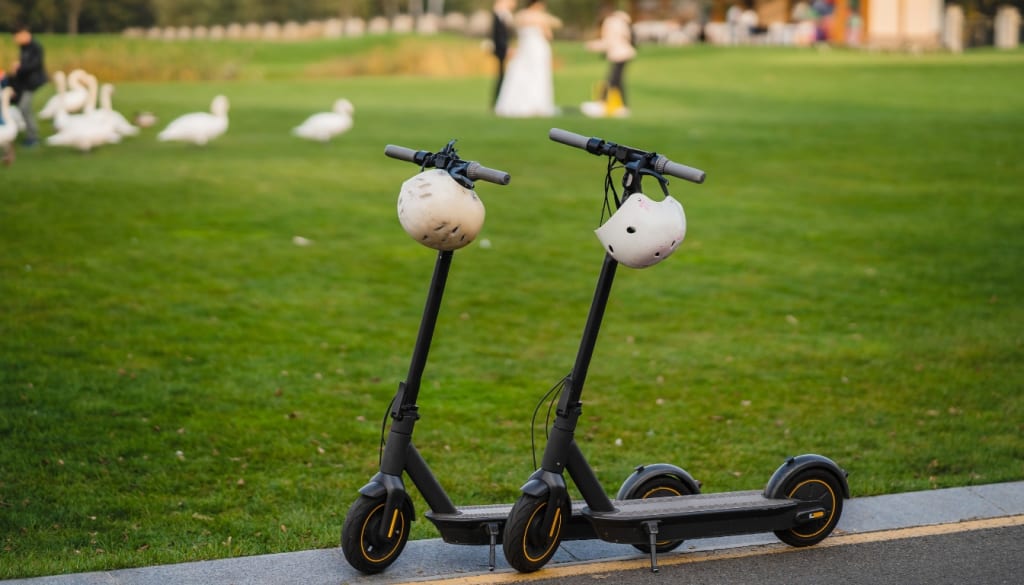
Electric scooters have evolved from simple recreational devices into sophisticated urban mobility solutions that are reshaping how British commuters navigate their daily journeys. These nimble, battery-powered vehicles represent a perfect fusion of technology, convenience, and efficiency, offering an alternative transport method that addresses many of the challenges faced by modern city dwellers.
The transformation of electric scooters from novelty items to serious transport tools reflects broader changes in urban mobility preferences. As cities become increasingly congested and environmental awareness grows, e-scooters have emerged as a practical solution that bridges the gap between walking and driving, providing just the right amount of speed and flexibility for urban navigation.
Choosing the Right Electric Scooter for Your Needs
The selection of an appropriate electric scooter depends on numerous factors, and specialist retailers such as eemotion offer expert guidance to help British consumers navigate the diverse range of options available in today's market. Understanding your specific requirements is crucial for making an informed decision that will provide years of reliable service.
Commuting distance plays a fundamental role in scooter selection. Short-distance commuters may find basic models with 10-15 mile range sufficient, whilst those with longer journeys require premium scooters capable of 30+ mile ranges. Battery capacity, measured in watt-hours, directly correlates with range, but factors such as rider weight, terrain, and weather conditions significantly impact real-world performance.
Build quality and durability considerations are paramount for regular use. Premium scooters feature aircraft-grade aluminium frames, high-quality components, and robust construction designed to withstand daily use. Investment in quality often proves economical in the long term, as cheaper models may require frequent repairs or replacement.
Advanced Features and Technology Integration
Modern electric scooters incorporate sophisticated technology that enhances safety, convenience, and user experience. Regenerative braking systems not only improve stopping power but also recover energy during deceleration, extending battery life and range. This technology, borrowed from electric vehicles, represents a significant advancement in scooter efficiency.
Smartphone connectivity has become increasingly common, allowing riders to monitor battery levels, track routes, and access diagnostic information through dedicated mobile applications. Some advanced models offer GPS tracking for theft protection, customisable performance settings, and ride statistics that help users optimise their commuting patterns.
Lighting systems have evolved beyond basic visibility aids to include dynamic turn signals, brake lights, and ambient lighting that enhances both safety and aesthetics. High-quality LED arrays provide excellent visibility whilst consuming minimal battery power, crucial for maintaining range during extended rides.
Seasonal Riding and Weather Adaptation
Electric scooter riding in the UK requires adaptation to seasonal weather variations and challenging conditions. Winter riding presents unique challenges, with reduced battery performance in cold temperatures and increased safety risks on wet or icy surfaces. Understanding these limitations and adapting riding behaviour accordingly is essential for safe year-round use.
Waterproofing ratings, typically expressed as IP codes, indicate a scooter's resistance to moisture ingress. Higher ratings provide better protection against British weather conditions, though no scooter should be considered completely waterproof. Proper maintenance and storage become crucial during wet seasons to prevent component degradation.
Tyre selection significantly impacts performance in various weather conditions. Pneumatic tyres offer superior grip and comfort but require maintenance, whilst solid tyres provide puncture resistance at the cost of ride quality. Some riders maintain seasonal tyre sets to optimise performance throughout the year.
Maintenance and Longevity Strategies
Proper maintenance extends electric scooter lifespan and ensures optimal performance. Regular cleaning removes salt, grime, and debris that can cause corrosion and mechanical issues. Particular attention should be paid to the folding mechanism, brake components, and electrical connections, which are vulnerable to environmental damage.
Battery care represents the most critical aspect of e-scooter maintenance. Lithium-ion batteries perform best when kept between 20-80% charge levels, with complete discharge and overcharging both detrimental to longevity. Temperature management is equally important, with extreme heat or cold significantly impacting battery performance and lifespan.
Mechanical components require periodic inspection and adjustment. Brake pads, bearings, and folding mechanisms should be checked regularly, with worn components replaced promptly to maintain safety. Many riders develop maintenance schedules based on mileage or time intervals to ensure consistent performance.
Community and Social Aspects
The electric scooter community in the UK has developed into a vibrant network of enthusiasts who share knowledge, experiences, and advocacy for improved infrastructure. Online forums, social media groups, and local meetups provide platforms for riders to connect, share routes, and discuss technical aspects of their scooters.
Group rides and events have become popular ways for riders to explore new areas whilst building community connections. These gatherings often focus on safety education, route sharing, and advocacy for better cycling infrastructure that accommodates e-scooter users. The social aspect of e-scooter riding adds enjoyment beyond mere transportation.
Etiquette and responsible riding practices are emphasised within the community. Experienced riders often mentor newcomers, sharing safety tips and promoting courteous behaviour that helps maintain positive relationships with pedestrians and other road users. This self-regulation contributes to the overall acceptance of e-scooters in urban environments.
Business and Commercial Applications
Electric scooters have found significant applications in business and commercial contexts. Delivery services increasingly rely on e-scooters for last-mile logistics, particularly in dense urban areas where traditional vehicles face access and parking challenges. The cost-effectiveness and efficiency of e-scooter deliveries make them attractive alternatives to motorised transport.
Corporate fleet programmes allow businesses to provide employees with e-scooters for work-related travel. These programmes often result in reduced travel expenses, increased productivity, and improved employee satisfaction. Some companies report significant cost savings compared to traditional vehicle allowances or public transport subsidies.
Tourism and leisure industries have embraced e-scooter rentals as attractions in their own right. Guided tours, scenic route exploration, and recreational rentals provide visitors with unique ways to experience British cities and countryside. This commercial application has contributed to broader public acceptance and familiarity with e-scooter technology.
Insurance and Legal Protection
Understanding insurance options for electric scooters is crucial for responsible ownership. Whilst personal liability insurance may provide some coverage, specialist e-scooter insurance offers comprehensive protection against theft, damage, and third-party claims. The relatively low cost of insurance compared to potential losses makes it a worthwhile investment for most riders.
Legal compliance remains important despite the current regulatory complexities surrounding private e-scooter use. Understanding local regulations, respecting private property rights, and maintaining appropriate safety standards help ensure positive interactions with authorities and the public. Many riders advocate for clearer regulations that recognise e-scooters as legitimate transport tools.
Registration and identification systems, whilst not currently required, may become necessary as e-scooter usage increases. Some manufacturers already incorporate unique identification systems that could facilitate future regulatory compliance. Staying informed about potential regulatory changes helps riders prepare for evolving legal requirements.
Innovation and Future Developments
The electric scooter industry continues to evolve rapidly, with manufacturers developing increasingly sophisticated models that address current limitations whilst introducing new capabilities. Solid-state batteries promise improved energy density and safety, whilst advanced motor designs offer better efficiency and reduced maintenance requirements.
Artificial intelligence integration may revolutionise e-scooter operation through predictive maintenance alerts, route optimisation, and adaptive performance tuning. Machine learning algorithms could analyse riding patterns to provide personalised recommendations for battery management and maintenance scheduling.
Modular design concepts allow users to upgrade components as technology advances, extending scooter lifespan and reducing electronic waste. Interchangeable batteries, upgradeable controllers, and modular accessories provide flexibility that traditional designs cannot match.
Conclusion
Electric scooters have matured into sophisticated urban mobility solutions that offer practical alternatives to traditional transport methods. Their continued evolution reflects growing demand for efficient, sustainable, and convenient transportation options in modern British cities.
Success with electric scooters depends on careful selection, proper maintenance, and responsible riding practices. The growing community of e-scooter users provides valuable support and advocacy for improved infrastructure and recognition of these vehicles as legitimate transport tools.
As technology continues to advance and urban mobility needs evolve, electric scooters will likely play an increasingly important role in sustainable transport networks. Their combination of efficiency, convenience, and environmental benefits positions them as key components of future urban mobility solutions throughout the UK and beyond.
The electric scooter revolution is far from over, with continued innovation promising even more capable and user-friendly devices in the years ahead. For those considering joining this growing community, the time has never been better to explore the possibilities that electric scooters offer for transforming daily commuting and urban exploration.
About the Creator
Hamza Majeed
Just a guy writing for readers.
Keep reading
More stories from Hamza Majeed and writers in Wheel and other communities.
E-Scooter vs EUC
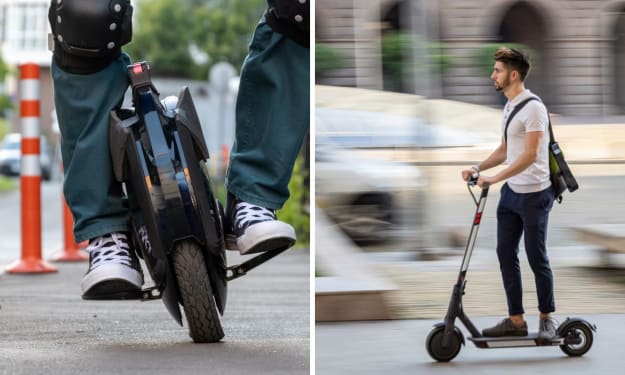
Let's cut straight to the chase: if you're reading this, you're probably standing in that awkward middle ground between wanting to join the electric mobility revolution and being terrified of face-planting in front of your neighbors. The good news? Everyone looks like a beginner at first. The better news? One of these devices will have you looking competent much faster than the other.
By Hamza Majeed9 months ago in Wheel
The Ultimate Checklist Before Selling Your Car to a Wrecker
If your car has reached the end of its life or has serious damage, selling it to a wrecker can be a fast and convenient solution. Many car owners assume wreckers only provide scrap value, but professional wreckers often pay based on the condition and reusable parts of your vehicle.
By Alec Johnsonabout 17 hours ago in Wheel


Comments
There are no comments for this story
Be the first to respond and start the conversation.