
E-Scooters in the United Kingdom
Note: This article is intended for informational purposes and reflects the state of e-scooter regulations and trends in the UK as of 2025.

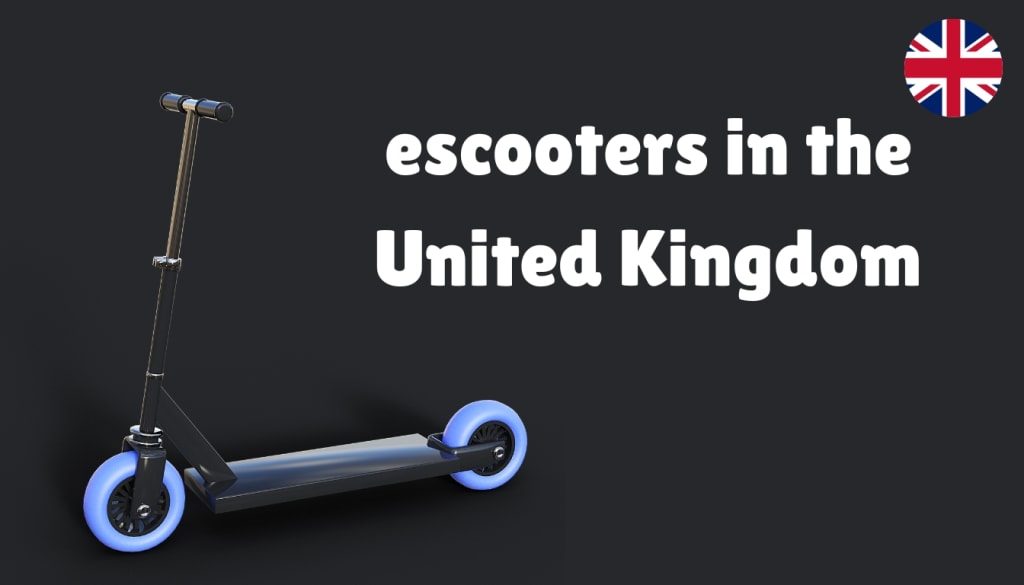
Electric scooters (e-scooters) have rapidly gained popularity in the United Kingdom as a convenient and eco-friendly mode of urban transportation. Their rise reflects a broader shift towards sustainable mobility solutions. However, the integration of e-scooters into the UK's transportation landscape has been accompanied by regulatory challenges, safety concerns, and debates over their role in public spaces. This article provides an in-depth analysis of the current state of e-scooters in the UK, examining legal frameworks, safety issues, market trends, and future prospects.
Legal Status of E-Scooters in the UK
As of 2025, the legal status of e-scooters in the UK remains complex and somewhat restrictive. Privately owned e-scooters are generally illegal to use on public roads, pavements, and cycle lanes. They are permitted only on private land with the landowner's consent. Conversely, rental e-scooters are allowed in certain areas under government-approved trial schemes. These trials require riders to have at least a provisional driving licence, and the scooters are subject to speed limits and other safety regulations.
The government has acknowledged the need for clearer regulations and is considering legislative changes to address public concerns about e-scooter safety and usage. In the meantime, enforcement of existing rules varies across regions, leading to confusion among users and law enforcement agencies.
Safety Concerns and Incidents
Safety is a significant concern associated with e-scooter usage in the UK. Research indicates that e-scooter riders are more likely to be involved in accidents compared to cyclists. A study analyzing Department for Transport data revealed a provisional rate of 13 casualties per million miles for shared e-scooters, approximately three times higher than the rate for pedal cycles.
The lack of standardized safety features on privately owned e-scooters exacerbates the risk. Many models lack adequate lighting, braking systems, and structural integrity to handle road conditions safely. Moreover, some users modify their scooters to exceed speed limits, further increasing the danger.
Battery safety is another critical issue. There have been instances of e-scooter batteries catching fire, leading to bans on e-scooters in certain public transport networks, such as Transport for London. The government has issued guidance on safely purchasing, charging, and disposing of e-scooter batteries to mitigate these risks.
Market Trends and Adoption
Despite regulatory hurdles, the e-scooter market in the UK is experiencing significant growth. Estimates suggest that there will be approximately 10 million electric scooters on the road globally in 2024, driven by the increasing popularity of e-scooters as a sustainable mode of urban transportation and growing investment in rental services.
In the UK, the adoption of e-scooters is influenced by urbanization, environmental concerns, and the demand for efficient last-mile transportation. Rental schemes have introduced many users to e-scooters, and there is a growing market for private ownership, despite legal restrictions. Companies like eemotion offer a range of e-scooters and related accessories, catering to this demand.
Environmental Impact
E-scooters are often promoted as an environmentally friendly alternative to cars, potentially reducing carbon emissions and traffic congestion. However, their actual environmental impact depends on various factors, including the energy sources used for charging, the lifespan of the scooters, and the extent to which they replace car journeys.
Studies have shown that e-scooters can contribute to sustainability goals when integrated into a multimodal transport system that encourages users to shift from private car use to shared mobility options. However, concerns remain about the environmental costs associated with manufacturing, maintenance, and disposal of e-scooters.
Future Prospects and Recommendations
The future of e-scooters in the UK hinges on the development of comprehensive regulations that balance innovation, safety, and public interest. Key recommendations for policymakers and stakeholders include:
- Legal Framework: Establish clear laws governing the use of both private and rental e-scooters, including requirements for insurance, licensing, and safety standards.
- Infrastructure Development: Invest in dedicated infrastructure, such as e-scooter lanes and parking zones, to ensure the safe integration of e-scooters into urban environments.
- Public Awareness Campaigns: Educate the public on safe riding practices, legal obligations, and the environmental benefits of e-scooters.
- Data Collection and Research: Conduct ongoing research to monitor the impact of e-scooters on traffic patterns, safety, and environmental outcomes, informing evidence-based policy decisions.
- Collaboration with Industry: Engage with manufacturers, rental companies, and other stakeholders to develop and enforce safety and quality standards for e-scooters.
Conclusion
E-scooters represent a promising component of sustainable urban mobility in the UK. Their successful integration into the transportation ecosystem requires a balanced approach that addresses legal ambiguities, safety concerns, and infrastructure needs. With thoughtful regulation and public engagement, e-scooters can contribute to a more efficient and environmentally friendly transport system.
About the Creator
Hamza Majeed
Just a guy writing for readers.
Keep reading
More stories from Hamza Majeed and writers in Wheel and other communities.
Electric Scooters
Electric scooters have evolved from simple recreational devices into sophisticated urban mobility solutions that are reshaping how British commuters navigate their daily journeys. These nimble, battery-powered vehicles represent a perfect fusion of technology, convenience, and efficiency, offering an alternative transport method that addresses many of the challenges faced by modern city dwellers.
By Hamza Majeed8 months ago in Wheel
5 Best Food Choices at Auto Shows
Attending an auto show is an exciting experience filled with gleaming vehicles, innovative technology, and hours of walking through massive exhibition halls. With so much to see, you need the right fuel to keep your energy levels high. Here are five of the best food choices to enjoy during your next auto show visit.
By Karter Odin2 days ago in Wheel
Self-Driving Cars
If you watched the 2004 Will Smith film ‘I Robot’, you’ll know that a minor plot point is that cars in this future are, by default, self-driving. They can still be driven manually, but this is considered a risky choice which only Smith’s character chooses to do, due to being a fan of such ‘retro’ choices. When his car is wrecked during an attack late in the film, his boss assumes that he crashed due to driving manually (the one time in the film he actually wasn’t). At the time of the film’s release, self-driving cars must have seemed hugely futuristic to help to sell the future setting.
By Joe Morgana day ago in Wheel



Comments
There are no comments for this story
Be the first to respond and start the conversation.