
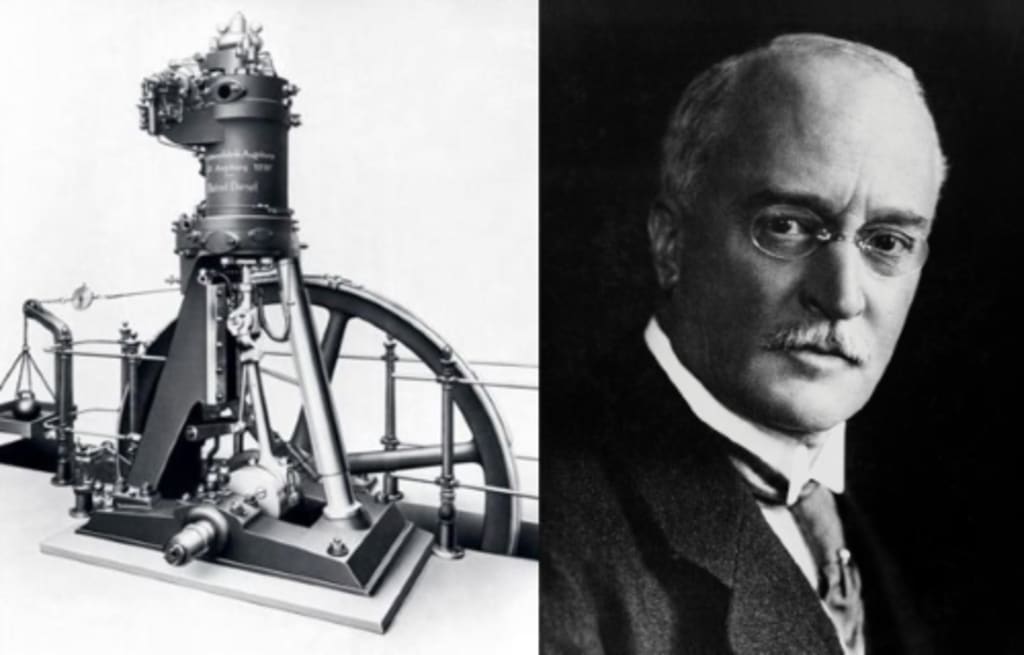
It is more than obvious that the global auto market is dominated by internal combustion engines. More recently, some of the classic internal combustion engine market (diesel, gasoline) is replaced with alternative fuels engine (ethanol, biodiesel, CNG, LPG) which are also with internal combustion.
Hybrid vehicles (micro, mild, and full hybrids) with electric propulsion systems are becoming more widespread on the automobile market, though not yet to a major extent.
Although hybrid and electric car technology has advanced quickly, internal combustion engines still have the final word in the automotive business. For many years, internal combustion engines will still remain the "masters" of car propulsion systems.
To find out who the inventor of the diesel engine is, let's take a little glance through the history.
As the name implies, Rudolf Diesel, an engineer, businessman, and inventor, created the diesel engine.
A thermal engine based on the Carnot cycle was first designed and put into use, but in order to achieve better results, Diesel decided to create its own engine. His engine operated on the premise that fuel was injected towards the ending of the compression stroke and ignited as a result of the high temperature produced by air compression.
Diesel engines operate solely by compressing air. During the intake stroke, air is drawn into the chamber and compressed during the compression stroke. This raises the temperature of the air inside the cylinder to the point where atomised diesel fuel injected into the combustion chamber ignites.
The torque produced by a diesel engine is controlled by adjusting the air-fuel ratio; rather than throttling the intake air, the diesel engine relies on adjusting the amount of fuel injected, and the air-fuel ratio is typically high.Due to its very high expansion ratio and inherent lean burn, which allows heat dissipation by the excess air, the diesel engine has the highest thermal efficiency (engine efficiency) of any practical internal combustion engine.
The inventor initially believed that coal dust would be the best fuel for his engine, but due to its abrasive properties and the complications associated with supplying such fuel to cylinders, he had to abandon the idea. Diesel's invention, on the other hand, worked well on vegetable oil and light-end oil products.
Diesel engines can be built with two-stroke or four-stroke cycles. Originally, they were used as a more efficient replacement for stationary steam engines. They have been used in submarines and ships since the 1910s. Later applications included locomotives, buses, trucks, heavy equipment, agricultural equipment, and power plants. They were first used in a few automobiles in the 1930s.
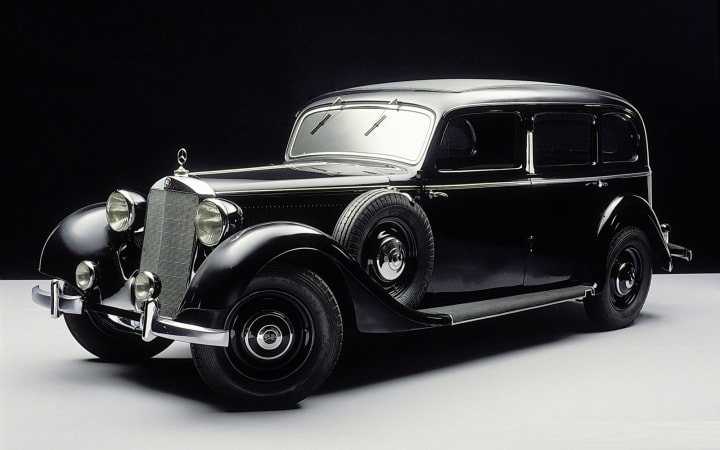
The Mercedes-Benz 260 D, along with the diesel model of the Hanomag Rekord, was one of the very first two diesel engined series manufactured automobiles. In February 1936, the two were unveiled at the Berlin Motor Show.
The operating principle is the same for new generation auto diesel engines, with the main differences being in the materials used, electronic fuel injection management, and exhaust gas post-treatment. Diesel engines have been constantly improved and updated. Many modern passenger vehicles, as well as the majority of commercial vehicles, are outfitted with these powerful, dependable, and efficient power units.
Surprisingly, the original fuel that led to the invention of Rudolf Diesel was vegetable oil-based, rather than diesel fuel. Because of the rising cost of oil, it appears that we are returning to our roots, biodiesel.
But the time may come to say goodbye to diesel vehicles. I believe they will be completely gone in a few years. It's a bygone era of technology. People have realized that we will never have completely clean diesel cars with no nitrogen oxide emissions...
About the Creator
Keep reading
More stories from writers in Wheel and other communities.
How to Know When Your Car Needs Regular Maintenance
Keeping a vehicle in good condition requires more than just filling it with fuel. Car maintenance involves routine inspections of essential systems such as brakes, tires, engine, transmission, suspension, and fluids. Regular maintenance ensures your car performs efficiently, stays reliable, and reduces the chance of unexpected breakdowns. By maintaining your car proactively, you also extend its lifespan, reduce fuel consumption, and help minimize environmental impact. Understanding the importance of maintenance can save money in the long run and keep your driving experience smooth and stress-free.
By Austin Peckabout 16 hours ago in Wheel
Rego Hacks That Save Hundreds in 2026
Vehicle registration is one of those unavoidable expenses that many drivers accept without question, yet a closer look often reveals opportunities to save real money. As 2026 approaches, changes in transport policies, vehicle classifications, and digital systems mean drivers who stay informed can reduce rego costs legally and with minimal effort. Whether you own a daily commuter, a secondary car, or an aging vehicle you barely use, understanding how registration works can help you avoid paying more than necessary.
By Austin Peck7 days ago in Wheel
So You Decided To Become a Nurse Practitioner:
So you decided to become an "Advanced Practice" nurse. Congratulations!... is what I would say if this was a good idea. Grad school? In this economy? What were you thinking? Likely it was something along the lines of either 1) “I've seen these other chucklefucks do it— Why can't I?” or even 2) “I've got a nice career, I should shake it up. I miss feeling like I have no clue what I'm doing.”
By Sandor Szabo4 days ago in Fiction


Comments
There are no comments for this story
Be the first to respond and start the conversation.