
Concept Car vs. Production Car: Why the Huge Design Gap?
How hard is it to do that?


Many, many things, one of which is engineering problems. Take the Cadillac Cien as an example. Right from the start you’ll notice it doesn’t have any mirrors. Cadillac’s engineers probably figured they’d mess with the aerodynamics or whatever, but the real reason? They didn’t need to put them on. I mean, concept cars aren’t meant to be driven, right? They just need to look cool at an auto show. Half the time, you don’t even know if they actually work — manufacturers build them without going through all the real-world testing.
Now, let’s say Cadillac decided to put the Cien into production. The first thing they’d have to do is add safety features — and chances are, the Cien doesn’t have those. And adding them isn’t always simple; sometimes, it means redesigning a bunch of stuff. Just look at most concept cars — what’s missing? That’s right, basic things like mirrors and lights. They might seem minor, but when it comes time to actually sell the car, they’re a big deal. No country is gonna let a car hit the road without the required safety gear.
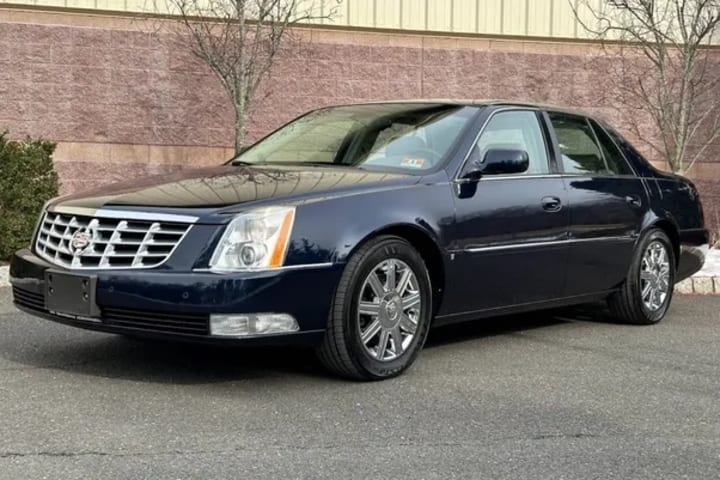
Most likely, the Cien will end up like the DTS if it ever makes it to production. The design will definitely change because of all the safety regulations — it’s mandatory, after all. No country is going to approve a car that isn’t safe. Adding the required safety features usually means tweaking a lot of things, which leads to even more design changes. The company will have to adapt, but hopefully the final car won’t stray too far from the original concept.
Then there’s the money side of things — accountants always have a say. Some designs are just too complicated (or expensive) to manufacture, and car companies aren’t exactly eager to take on that kind of hassle. They’d rather build something simpler and easier to produce, and concept cars are usually anything but that. So expect some trimming and redesigning to make the car, well… accountant-approved. They’re the ones calling the shots these days.

Another real example (and thankfully, not too different) is the Nissan GTR concept introduced in 2000. You can tell right away that it’s a GTR because it doesn’t look all that different from the current one being sold — aside from the grille and a few design tweaks. I’m guessing those changes happened because they made the car easier to build. If Nissan had stuck to the original design, production might have been a nightmare. Or maybe they just wanted to cut costs. Whatever the reason, changes happen.
Design tweaks are inevitable. Maybe the engineers realized the car wasn’t aerodynamic enough in real-world conditions, so they adjusted it. Or maybe the grille wasn’t big enough for everyday use. Stuff like that happens. Like I said, concept cars are barely functional — basically test mules — so there’s always a chance they weren’t built perfectly. There will be flaws, and fixing them often means tweaking the design, which is why the final production model ends up looking different.

Just imagine if the GTR actually looked like this. Cool at first glance, right? But once you really think about it, it’d be a nightmare to build. Those curves? A total pain to manufacture. And it’s way too short — you’d be scraping everything on the road. Don’t even get me started on the design. Sure, it looks aerodynamic, but not in a way that works for real-world driving. And those sharp edges? They’d either get removed or toned down.
The main reason manufacturers don’t build cars that look exactly like concept cars is simple: it’s just not practical. Concept cars are just that — concepts. A vision. They’re not meant to be taken literally. Car companies need to make vehicles that actually sell, and that means considering things like safety, regulations, and production costs. By the time a concept car turns into a production model, a lot of the crazy design elements are gone.
So, don’t get your hopes up. Most concept cars never make it to the streets looking the way they did in the showroom. Even if a company does try to make one, the final version is always going to be different.
About the Creator
Pinesthi Mukti Rizky Wibowo
Hi, my name is Eky and here I will write about automotive and other things, most of the writing will be taken from my personal Quora or Medium account. Most of my writing is curated from my Quora account which I have more than 4,000 answers
Keep reading
More stories from Pinesthi Mukti Rizky Wibowo and writers in Wheel and other communities.
The Rise of BYD: Can Tesla Overcome BYD and Conquer the Asian EV Market?
Numbers-wise, Tesla will never beat BYD in sheer volume because BYD’s cars are way cheaper. I mean, they can pump out affordable EVs like crazy, which naturally means they’ll produce way more than Tesla. Let’s say BYD’s cheapest car goes for around $10,000 in Asia, while Tesla’s starts at $35,000. Obviously, BYD can make way more cars, so Tesla will struggle to keep up in raw numbers — but is that even Tesla’s goal? I doubt it.
By Pinesthi Mukti Rizky Wibowo11 months ago in Wheel
Self-Driving Cars
If you watched the 2004 Will Smith film ‘I Robot’, you’ll know that a minor plot point is that cars in this future are, by default, self-driving. They can still be driven manually, but this is considered a risky choice which only Smith’s character chooses to do, due to being a fan of such ‘retro’ choices. When his car is wrecked during an attack late in the film, his boss assumes that he crashed due to driving manually (the one time in the film he actually wasn’t). At the time of the film’s release, self-driving cars must have seemed hugely futuristic to help to sell the future setting.
By Joe Morgan4 days ago in Wheel
The Ultimate Checklist Before Selling Your Car to a Wrecker
If your car has reached the end of its life or has serious damage, selling it to a wrecker can be a fast and convenient solution. Many car owners assume wreckers only provide scrap value, but professional wreckers often pay based on the condition and reusable parts of your vehicle.
By Alec Johnson5 days ago in Wheel


Comments
There are no comments for this story
Be the first to respond and start the conversation.