
Beyond Age: What Makes a Classic Car Truly Collectible?
Understanding why some of it is pricey.


Most of us wouldn’t want to drive an old car. I mean, ask your partner right now if they'd drive a classic that costs the same as a new Honda Civic. Most of them would say no—those cars are really just for enthusiasts. Regular folks usually aren’t into that kind of thing.
But maybe you’ve wondered why some classic cars are so expensive. Like, a Ford Mustang in good condition can cost as much as a brand-new Civic. Some of them even go for more than your average mid-range car. So why are they so pricey, especially when not everyone even likes them?
The answer’s simple: demand. That’s the big factor. A car can be rare, but if no one wants it, it’s still going to be cheap. On the flip side, a car that used to be common but is now rare—and happens to be popular for some reason—can shoot up in value. It’s all about people wanting it and being willing to pay more.
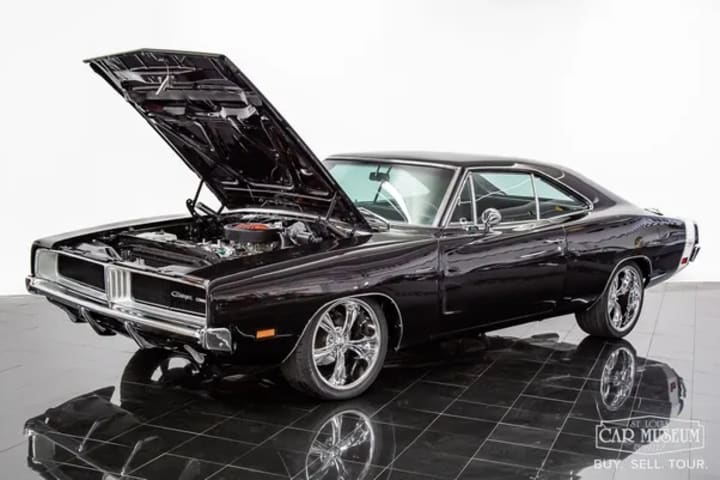
Take the Charger, for example. Before The Dukes of Hazzard, I don’t think most people really gave it much attention. It was just a common car back then. But once people saw it jumping over stuff on TV—and after most of the real ones had already been wrecked or worn out—suddenly everyone wanted one, and the prices shot up.
That’s how it goes with a lot of expensive classic cars. People want them because they saw them in a movie or a show, and that fame drives the demand. The Nissan Skyline R34 and Toyota Supra MK4 are great examples of the same thing.
It’s pretty simple: once demand goes up, the price follows. With new cars, that doesn’t happen the same way because there’s still a steady supply. But when a car becomes rare and more people start wanting it, prices naturally climb. You really see this with older cars, especially from back when you only heard about cool vehicles through TV or by seeing one in person. These days, with the internet, it’s way easier to discover and hype up cars.

Expensive cars can also be pricey just because they're rare — like the Bugatti Type 57 up there. It's all about supply and demand. Most people see these kinds of cars as investments, so they'll buy them no matter the cost, knowing they can sell them for even more down the road. Same deal with the Ferrari 250 GTO and other rare classics — the prices just keep going up. What do they all have in common? Demand.
Old cars are actually pretty simple when you think about it: the more people want them, the more they cost. That’s really the only reason classic cars are expensive. Outside of that, if you're not into cars, they probably won’t seem worth it. I don’t think the average person would really "get" the Bugatti Type 57—they’d be perfectly happy driving a Civic.
On the flip side, some classics are cheap just because nobody wants them. If there’s no demand, they don’t sell for much. No market = no money.
People see certain classic cars as works of art — pieces of a past era that’s long gone. That nostalgia factor drives up the price. Plus, you can’t exactly walk into a dealership and buy one anymore. The rarer it is and the more people want it, the higher the price goes. It’s just basic economics, and you can really feel it when you're looking at these kinds of cars.
It’s the enthusiasts that drive all this; the more sought-after the car, the higher the price will be.
About the Creator
Pinesthi Mukti Rizky Wibowo
Hi, my name is Eky and here I will write about automotive and other things, most of the writing will be taken from my personal Quora or Medium account. Most of my writing is curated from my Quora account which I have more than 4,000 answers
Keep reading
More stories from Pinesthi Mukti Rizky Wibowo and writers in Wheel and other communities.
Modern Meets Classic: Can You Customize a New Car to Look Vintage?
I think this is a pretty common question: “Why doesn’t anyone design a modern classic car?” Honestly, just the fact that people ask that shows there’s probably a market for it. I mean, if someone’s thinking about it, chances are someone else would buy it, right? I think manufacturers have been toying with the idea for a while now.
By Pinesthi Mukti Rizky Wibowo11 months ago in Wheel
Self-Driving Cars
If you watched the 2004 Will Smith film ‘I Robot’, you’ll know that a minor plot point is that cars in this future are, by default, self-driving. They can still be driven manually, but this is considered a risky choice which only Smith’s character chooses to do, due to being a fan of such ‘retro’ choices. When his car is wrecked during an attack late in the film, his boss assumes that he crashed due to driving manually (the one time in the film he actually wasn’t). At the time of the film’s release, self-driving cars must have seemed hugely futuristic to help to sell the future setting.
By Joe Morgan5 days ago in Wheel
Common Mercedes Repair Issues Drivers Experience As Their Vehicle Ages
Mercedes-Benz is a constant competitor when it comes to discussing the best luxury brands. By combining high-end materials and superior craftsmanship, Mercedes models continue to be highly desirable even as they age. Buying an older Mercedes has become the go-to option for drivers looking for luxury on a more reasonable budget. Whether you’re looking at buying an older Merc, or just can't seem to part ways with your aging Bavarian, these are some of the common Mercedes repair tasks to be aware of.
By Foreign Affiars Motorsport21 minutes ago in Wheel


Comments
There are no comments for this story
Be the first to respond and start the conversation.