
5 Things Every Truck Driver Should Know Before Selling a Semi-Truck
While the process of selling a truck can feel daunting, one thing that makes it better is understanding what can impact your semi’s value and what documents you need to finalize everything.

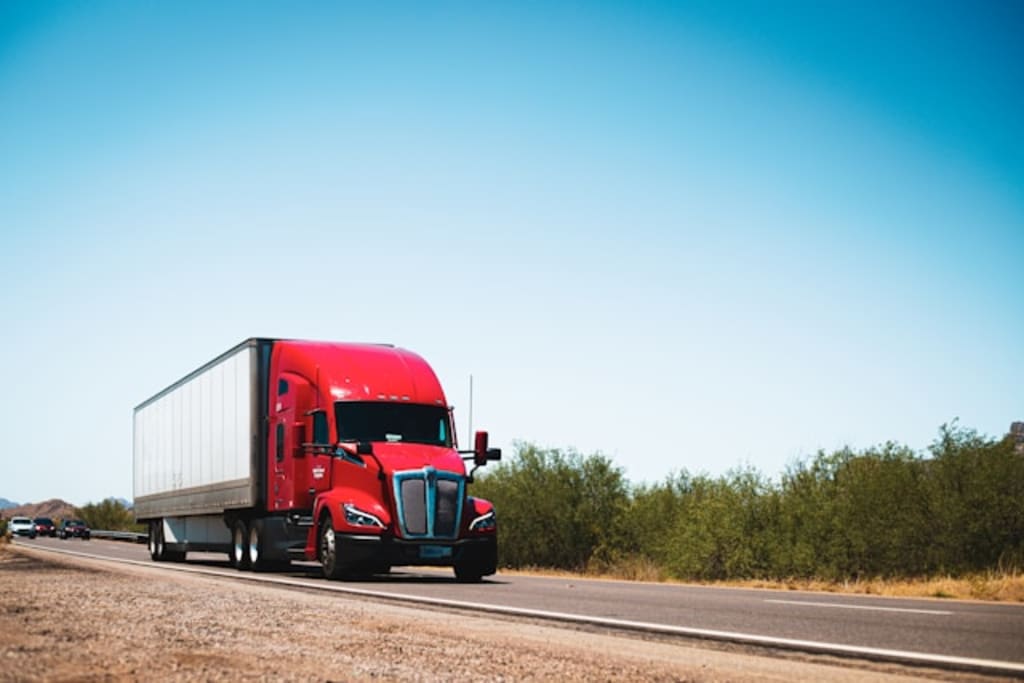
Moving on from a semi-truck can feel bittersweet. Sometimes, however, it’s the right decision. The unique variable in the equation is the why. There are several catalysts for this decision, such as retiring, moving to a new industry, expensive repair bills, or high operating costs.
While the process of selling a truck can feel daunting, one thing that makes it better is understanding what can impact your semi’s value and what documents you need to finalize everything.
In this guide, we'll take a look at five key things to know before you move forward with selling your semi-truck.
1. Your Truck’s Market Value
The model and year are important, but they don't tell the whole story about your truck’s value. You also have to look at mileage, repair history, recent work, and the overall climate in the transportation industry at the time of sale.
Demand differs from one region and season to the next, and when freight volumes rise or fall, so do pricing trends.
The best way to get a clearer picture of your semi’s value is by comparing listings that match your truck’s age, configuration, and condition.
Some factors that might influence how you price your semi include:
- The total mileage and frequency of routine maintenance
- Engine hours
- The condition of major systems, such as the engine or transmission
- Accident or repair history
- Tire age and wear
- Recent work on high-cost parts like injectors, turbo, or DPF
- Interior condition
- Proximity to active freight markets
How Does Mileage Affect Pricing?
Trucks with mileage under roughly 400,000 miles often attract buyers looking for longer-term use. Those between 500,000 and 700,00 typically fall into the mid-range category, since many components are in their later service life.
Once a truck approaches 800,000 miles, interest typically shifts to buyers seeking short-term use or parts.
Data from groups like the American Trucking Associations can help you understand how specific economic trends may affect the value of your truck.
2. How to Time Your Sale
Timing plays a much bigger role than many sellers consider. When freight demand increases, it often equates to better pricing stability. During slower periods, buyers are usually cautious with older units. That's why it's essential to choose your sale time during a period of steadier freight activity.
Some drivers will wait until repair costs reach a point where the investment no longer matches the remaining service life, while others go for the sale once they confirm a career change or business transition. No matter the reason, the idea should always be to move forward during a period when the equipment still has reasonable value.
Fuel costs are important here, too.
A rise in fuel prices can put greater pressure on owners and operators to replace their equipment. The same can be said about emissions standards. For example, California's updated rules requiring new engines for certain routes reduce the demand for older units in those markets.
3. Organize Your Key Documents
Make sure your paperwork is in order. It's one of the easiest ways to avoid delays during a sale. Some of the most important items include:
- Title
- Maintenance logs
- Loan payoff documents or a lien release
- Odometer information
- Emissions-related paperwork
- Service records for major repairs
- Copies of inspections
The Federal Motor Carrier Safety Administration provides guidelines for record-keeping and documentation that support equipment history.
4. How to Decide Between Repairs or “As-Is” Listing
Will a repair increase your truck's value enough to justify the cost? One helpful way to figure this out is to do a basic cost comparison. For example, if a repair costs $5,000 but only improves the value by $2,000, the investment isn’t practical.
Here are some steps you can take to compare costs and make your next move:
- Estimate realistic repair costs using quotes from local shops
- Review how much the same truck is worth in its current condition
- Make a note of how much similar trucks are selling for after receiving those repairs
- Evaluate whether the expected return will outweigh the cost
Before you list your truck, it's a good idea to evaluate this decision by referencing long-term operating cost calculators used by industry groups like ATRI, which publish annual cost-per-mile studies with maintenance and repair trends nationwide.
5. Things to Look Out For
When listing anything on the secondhand market, you have to be aware of the risks and know what to look out for.
There are a few practical precautions to keep in mind:
- Only use payment methods with verifiable tracking
- Request written confirmation before meeting for inspections
- Verify your potential buyer’s identification whenever possible
- Review your title for discrepancies before agreeing to the next steps
- Always question unusually high offers, especially when they come with pressure to move quickly
Where This Leaves You as an Owner
Most drivers just want a straight answer when it comes to listing their trucks. Luckily, the whole process can go much more smoothly when you know what you're working with. Get your paperwork in order, get a sense of what your truck is worth, and stay alert to avoid risks. With all of that, you'll have a clearer road ahead.
About the Creator
William Powell
William Powell is a writer and educator with a passion for marketing. He enjoys learning about the latest business trends and analyzing how global events impact domestic and international economies.
Keep reading
More stories from William Powell and writers in Wheel and other communities.
5 Aftermarket Parts that Most Commonly Cause Fitment Issues in Japanese Cars
Aftermarket parts are a major reason drivers choose Japanese cars. The Japanese Domestic Market (JDM) gives car owners many ways to customize their vehicles, whether it’s to boost performance or enhance visual appeal. Brands like Subaru, Honda, Nissan, Toyota, and Mitsubishi benefit from extensive aftermarket support, providing a range of modification options.
By William Powellabout a month ago in Wheel




Comments