
Which artificial lens is the best ?
Artificials lens

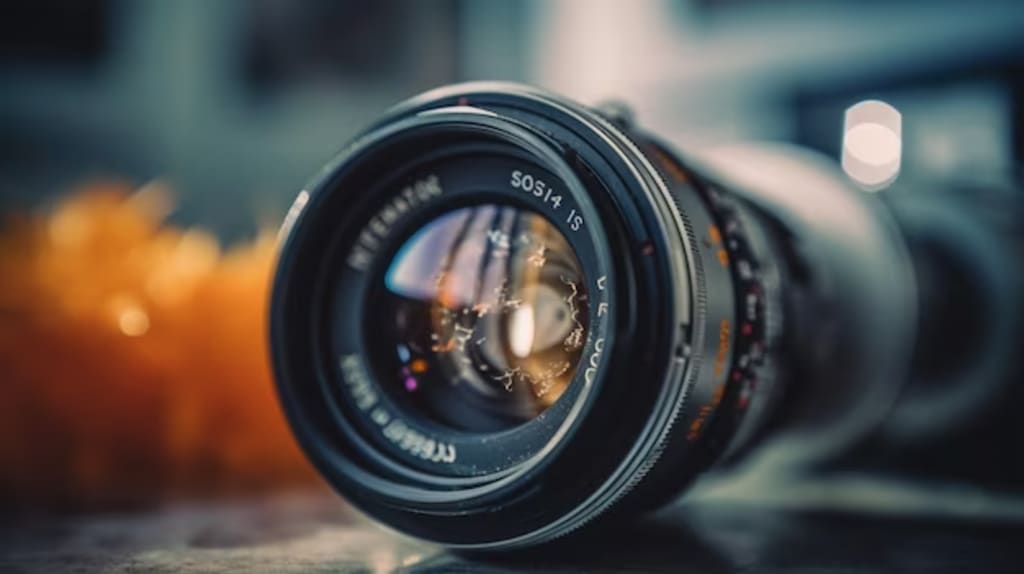
The choice of the best artificial lens, also known as an intraocular lens (IOL), depends on several factors, including the specific needs and preferences of the individual, as well as the surgeon's recommendation. Here are some common types of artificial lenses used in cataract surgery:
Monofocal Lenses:
Monofocal lenses have a single focal point, providing clear vision at one distance (either near or far). Most people choose monofocal lenses set for distance vision and use reading glasses for near tasks.
Multifocal Lenses:
Multifocal lenses are designed to provide clear vision at multiple distances, such as near, intermediate, and far. They aim to reduce the dependence on glasses for various activities. However, some people may experience halos or glare, especially in low-light conditions.
Toric Lenses:
Toric lenses are used to correct astigmatism, a condition where the cornea has an irregular shape, leading to blurred or distorted vision. These lenses can address both cataracts and astigmatism, potentially reducing the need for glasses.
Extended Depth of Focus (EDOF) Lenses:
EDOF lenses are designed to provide an extended range of vision, similar to multifocal lenses but with fewer visual disturbances like halos and glare. They aim to enhance vision at different distances.
Accommodating Lenses:
Accommodating lenses are designed to mimic the natural focusing ability of the eye, allowing for a range of clear vision without the need for glasses. These lenses are intended to shift focus between near and far objects.
Presbyopia-Correcting Lenses:
Presbyopia-correcting lenses address age-related presbyopia, which affects the ability to focus on close objects. They include multifocal, accommodating, and extended depth of focus lenses.
The choice of the best artificial lens depends on factors such as the individual's lifestyle, visual preferences, overall eye health, and the surgeon's recommendations. It's crucial for individuals undergoing cataract surgery to have a thorough discussion with their ophthalmologist or cataract surgeon to determine the most suitable lens option for their specific needs and expectations. Each type of lens has its pros and cons, and the decision should be tailored to the individual patient.
It seems like your inquiry about "lenses" is broad, and the term can refer to various types of lenses depending on the context. Here are a few possible interpretations:
Camera Lenses:
Camera lenses are optical devices used in photography and videography to focus and direct light onto the camera's image sensor. They come in various focal lengths and types, such as wide-angle, standard, and telephoto lenses, each serving different purposes.
Eyeglass Lenses:
Eyeglass lenses are used to correct refractive errors in the eyes, such as nearsightedness, farsightedness, or astigmatism. They can be made from various materials, including glass or plastic, and can have different coatings to reduce glare or protect against UV radiation.
Contact Lenses:
Contact lenses are thin, curved lenses that are placed directly on the surface of the eye to correct vision. They can be used for various vision conditions and provide an alternative to eyeglasses.
Microscope/Objective Lenses:
In scientific and laboratory settings, lenses are used in microscopes to magnify objects for detailed observation. Objective lenses in microscopes come in different magnifications to provide a range of viewing options.
Telescope Lenses:
Telescopes use lenses to gather and focus light from distant celestial objects. Similar to camera lenses, telescope lenses come in various designs to optimize for different astronomical observations.
Intraocular Lenses (IOLs):
Intraocular lenses are artificial lenses implanted in the eye during cataract surgery to replace the natural lens affected by cataracts. They can be monofocal, multifocal, toric, or accommodating, depending on the patient's vision needs.
Optical Lenses in General:
Lenses are broadly used in optics for applications such as magnification, focusing, and image formation. They can be found in devices like binoculars, projectors, and laser systems.
If you have a specific type of lens or context in mind, please provide more details, and I'll be happy to offer more tailored information.
About the Creator
Shazee Tahir
Storyteller | Fantasy & Self-Love Writer | WIP: Action Superhero Series
Stickers, Support & More
Keep reading
More stories from Shazee Tahir and writers in Wander and other communities.
The Little Things Americans Take For Granted
America isn’t perfect. The entire country needs a serious makeover and attitude adjustment. We have it better in the country than people in some places, despite the flaws. People in some countries cannot enjoy freedom of speech. Women do not enjoy equal rights. Basic humanneeds like water and electricity are not always available. Simple acts can land someone in jail. We take so much for granted here in America. We’ve come to expect extras like electricity and Internet service. Far too often, we forget that people in some countries could only dream of the same luxuries.
By Criminal Mattersabout 13 hours ago in Wander
I was in a Toxic Relationship, with my Workplace
“You got that?” My ex yelled. His hands were balled into fists at his side. At six foot three, he towered over me. A normal person would have been afraid, but I looked up a video of George Lopez repeatedly saying, “I got this,” and showed it to him. I had grown used to this treatment, so much so that I didn’t blink when he ripped the phone from my hand and threw it across the room.
By Jade M.7 days ago in Confessions




Comments
There are no comments for this story
Be the first to respond and start the conversation.