
Where Eternal Flames and Silent Towers Whisper Iran’s Ancient Secrets
The Desert Oasis That Defies Time
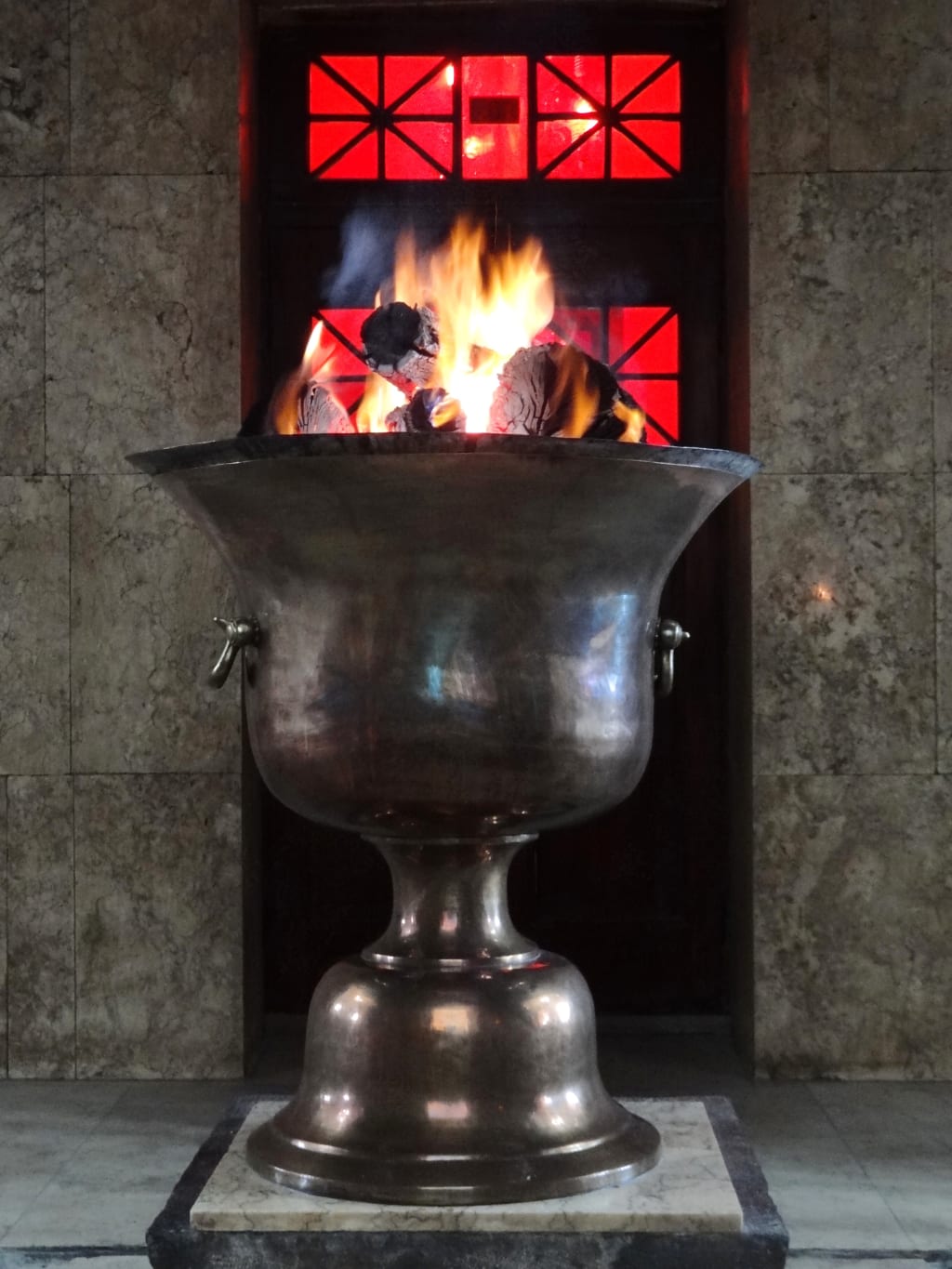
My customized Iran tour began at the Fire Temple of Yazd (Ātaš Behrām), where a single amber glow behind tinted glass has outlasted empires. The flame, ignited in 470 CE during the Sassanian era, survived Mongol invasions, Arab conquests, and revolutions by being smuggled across deserts and hidden in caves19. Today, it rests in a serene courtyard flanked by cypress trees, guarded by Zoroastrian priests who tend it with almond wood and rituals unchanged for centuries.
As I stood outside the sanctum (non-Zoroastrians cannot enter), the priest—Hirbod—explained how fire symbolizes purity in Zoroastrianism, a bridge between humanity and Ahura Mazda (the Wise Lord). The temple’s architecture, designed by Parsi architects from India in 1934, blends Achaemenid simplicity with colonial-era elegance, its entrance adorned with the Faravahar—a winged symbol of enlightenment. Nearby, a museum details Zoroastrianism’s pillars: “Good Thoughts, Good Words, Good Deeds.” It’s a creed that still shapes Yazdis’ legendary hospitality.
Towers of Silence: Where the Sky Buries the Dead
Just beyond Yazd’s mud-brick skyline, the Towers of Silence (Dakhma) rise like ancient stone sentinels. Until the 1970s, Zoroastrians practiced excarnation here—leaving the deceased exposed to scavenger birds to avoid contaminating sacred earth or fire. Climbing the sun-bleached steps at sunset, I traced grooves worn by centuries of mourners. The silence was haunting, broken only by the whisper of desert winds.
My guide, a Zoroastrian descendant, recounted how her grandparents’ generation resisted modern burials, clinging to traditions even as vultures vanished (due to pesticide use). Now, the towers stand as eerie monuments, their circular platforms offering panoramic views of Yazd’s sprawl—a mosaic of blue-tiled mosques and 19th-century mansions.
Yazd’s Old Town: A Maze of Wind and Shadows
Wandering Yazd’s UNESCO-listed old town felt like stepping into a living museum. The qanat system—ancient underground aqueducts—still channels water to courtyards shaded by pomegranate trees. Amir Chakhmaq Complex, a 15th-century marvel, dazzled at dusk: its three-story façade, once a teahouse and caravanserai, glowed under golden lights as locals gathered for saffron ice cream and rosewater sherbet.
But Yazd’s true magic lies in its windcatchers. These towering mud-brick structures—proto-air conditioners—funnel desert breezes into homes, a testament to ingenuity born of necessity. At Dowlat Abad Garden, I marveled at a 33-meter badgir, the world’s tallest, its latticework casting intricate shadows over a pool of water lilies6.
Tea, Tiles, and the Art of Slowing Down
In Iran, hospitality is sacred. At a rooftop café near Jameh Mosque, I sipped cardamom tea with a retired teacher who insisted on paying my bill. “Taarof,” he laughed, referencing the Persian ritual of polite refusal. The mosque itself—a 12th-century masterpiece—boasted Iran’s tallest minarets and mosaics that shifted from turquoise to emerald as the sun set.
The Iran the World Forgot
Yazd embodies Iran’s paradox: a land where ancient faiths coexist with Instagram influencers, and U.S. sanctions haven’t dimmed the warmth of its people, although they've made things unbearably difficult. As I boarded a night bus to Isfahan, I recalled a quote by Zoroaster: “A reflective, contented mind is the best possession. ”
Iran’s soul isn’t in its politics—it’s in the hands of a priest tending a 1,500-year-old fire, the laughter of teens debating poetry in a chaikhāneh (teahouse), and the silence of towers where the dead once touched the sky. To travel here isn’t just to rediscover history—it’s to witness resilience etched into every brick and baked into every loaf of sangak bread.
About the Creator
Keep reading
More stories from Amin Jafari and writers in Wander and other communities.
Travelling to Iran Beyond Global Politics
Known to many in Europe and the U.S. as Persia because of Greek historians, the endonym Iran is the actual ancient name used thousands of years ago. It established a national identity so strong that even the advent of Islam could not overshadow it. Modern Iran has not forgotten its ancient roots. Despite thousands of years of invasions by Greeks, Romans, Arabs, Mongols, and Turks, many Iranians still claim their ancient heritage left behind by Cyrus the Great. It is less about racial self-identification and more about social reform. By embarking on Iran Tours, you can get a glimpse of the legacy of ancient Iran in the still-beating heart of its citizens , like a living monument.
By Amin Jafari11 months ago in Wander
Worth the Wait: Puerto Viejo, Costa Rica
Beach bumming in a small Caribbean beach town sounded like a perfect way to end our 6-month trip through Mexico and Central America. Or so we thought. The foul, fishy stench of rotten seaweed hit our nostrils as we stepped from the cramped bus and looked out at a rather depressing, empty, and underwhelming black sand beach. It was pouring with rain, and we had to quickly fish out our ponchos. We thought, this couldn’t be it, could it?
By Sh*t Happens - Lost Girl Travel10 days ago in Wander
Langtang Valley Trek: The Complete Guide to Nepal's Hidden Himalayan Gem
If you are searching for a trek that combines breathtaking mountain scenery, rich Tamang culture, and an off-the-beaten-path adventure the Langtang Valley Trek is your answer. Nestled just 50 kilometers north of Kathmandu, Langtang is one of Nepal's most accessible and rewarding trekking destinations. Often overshadowed by the fame of Everest Base Camp and the Annapurna Circuit, this Himalayan trek offers an equally spectacular experience without the crowds. Whether you are a first-time trekker or a seasoned adventurer, the Langtang Valley Trek promises soaring peaks, dense rhododendron forests, ancient monasteries, and warm hospitality that will stay with you long after you return home.
By RP Adventures4 days ago in Wander


Comments
There are no comments for this story
Be the first to respond and start the conversation.