
What to pack when climbing Mount Kilimanjaro.
A guide for climbing the highest mountain in Africa


Climbing Mount Kilimanjaro is one of the most satisfying and memorable adventures in Tanzania. Climbing mount Kilimanjaro is also a surprise to many first time climbers because they find that they are passing through different climatic zones in just a few days. As you climb Mount Kilimanjaro you will pass through lush rainforests, alpine deserts, and glacial summits. And also Climbing mount Kilimanjaro does not occur in just a single day, for acclimatization purposes, comfortable climbing this giant mount of Africa will take a minimum of five days.
So, whichever route you are using for trekking, whether it is the Machame route, Lemosho route, Marangu route, or any other route, one of the most important thing to do it to know what to pack for this adventure.
The following is a list to guide you on all the essentials of Mount Kilimanjaro Trekking. The guide will include clothing, equipment, personal items, and tips to stay warm, dry, and energized.
Clothing: Layering is Key
Mount Kilimanjaro has its own climatic zones: from tropical to arctic climatic zone. Therefor you’ll need to dress in layers so you can adapt to changing temperatures and conditions.
Base Layers (Moisture-Wicking)
Base layers are your first layer of clothing worn next to the skin. We wear these so as to wick sweat away from your body and help regulate temperature. It is best to avoid cotton, because once it is wet, it stays wet and can make you feel extreme cold. So, it is better to wear the following:
- 2–3 breathable T-shirts (synthetic or merino wool): these will keeps sweat off your skin, will reduce an unpleasant feeling of coldness in the atmosphere and preventing rash.
- 2 thermal long-sleeve tops and 2 thermal leggings: This should be your first line of insulation on colder days and summit night.
Insulation Layers
- 1 fleece or soft-shell jacket: this will help in trapping body heat and will provide warmth in mid-altitude zones.
- 1 down or synthetic insulated jacket: This is important especially for the summit night when temperatures at the summit can drop below -10°C (14°F).
- 1–2 pairs of trekking pants: They must be comfortable for long hikes, and if you get that drries quickly, it will be great.
- Fleece pants or thermal leggings: These will provide an extra warmth for the nights at higher camps where there is cold at night.
Outer Layers (Shell)
Waterproof shell jacket and pants: This will protect you against the rain, wind, and snow especially in alpine zones.
Accessories
- 4–5 pairs of moisture-wicking underwear: these will help you become comfortable and hygienic for all days of mountain climb.
- 3–4 pairs of trekking socks (wool or synthetic): These will help in keeping your feet warm and dry.
- 1 pair of thick socks for summit night: This is for the added insulation in very low temperatures.
- Warm hat / beanie: It is important for cold mornings and nights.
- Sun hat / cap / wide-brim hat: this will help in preventing sunburn and overheating in lower zones during the day.
- Buff / neck gaiter: this will protect your neck and face from dust, sun, and cold.
- Light gloves (liner): Good for moderate cold and layering.
- Insulated gloves or mittens: these are needed especially on the summit night to protect against frostbite.

Footwear
Your feet are important that they are comfortable and they are safe, so make sure you protect them properly. The following are essentials for footwear:
Waterproof hiking boots (broken-in): They will support and make you comfortable on rocky or uneven terrain. These hiking boots must be warm for summit night.
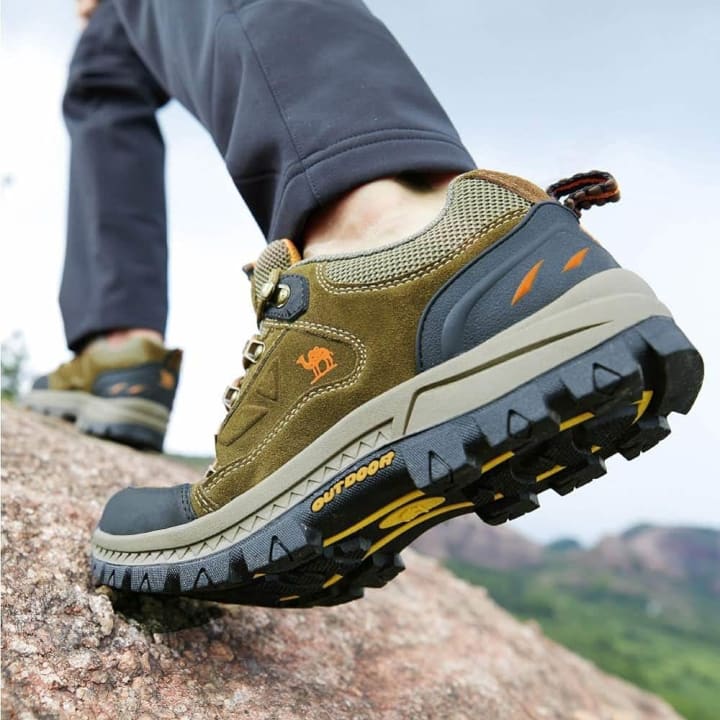
Camp shoes (light sneakers or sandals): Will be used when you are relaxing at the camp and you are letting your feet breathe after day hike.
Bags and Packs
How you carry your gear and what you carry is very important during trekking. Here are things that you should carry:
Daypack important things: Here you will carry essentials like water, snacks, rain gear, and extra layers if you prefer.
Rain covers for bags: this will keep your belongings in your bags dry in case of rain.
Sleeping Gear
After a day of trekking, having a good rest is important for recovery and acclimatization. Therefore your sleeping gear should be as comfortable as possible. You will need the following:
- 4-season sleeping bag (rated to -10°C/14°F or colder): this will keep you warm at night, as a result it will save you from fatigue and illness.
- Sleeping bag liner: This will add warmth to the sleeping bag and will keep your sleeping bag clean.
- Inflatable pillow or stuff sack with clothes: This improves sleep quality and neck support.

Trekking Gear
These are important things that will support your daily hiking experience.
- Trekking poles (collapsible): these helps to educe pressure on knees and improve stability on descents.
- Headlamp with spare batteries: These are needed for early morning treks and on the day of summit night because there is no electricity at camp.
- Water bottles or hydration bladder (2–3 liters): Staying hydrated will always help in fighting the altitude sickness.
- Sunglasses (UV & glacier-rated): These helps in preventing eye damage from UV rays and snow glare.
- Sunscreen (SPF 30+) and lip balm with SPF: Sun at high altitudes is very intense, sunscreen and lip balm will help you, even on cloudy days.
- Quick-dry towel: This will be used for face washes or quick wipe-downs at camp.
Toiletries & Hygiene
Basic hygiene during trekking will help you stay comfortable and healthy, especially at altitude. The following are hygienic thing s you will have to carry:
- Toothbrush, toothpaste, biodegradable soap/shampoo: Ensure that you stay clean without harming the environment.
- Wet wipes / baby wipes: These may be used as your shower substitute for the entire trek.
- Hand sanitizer: These will help killing germs before meals or after toilet breaks.
- Toilet paper: Most camps do not provide it, so, it is nice to have one.
- Feminine hygiene products (if needed): Pack what you need; disposal may not be available at the mountain.
- Small mirror, tweezers, nail clippers: These are for basic grooming and removing splinters or debris.
Snacks & Nutrition
So much energy is consumed when climbing the mountain. And therefore it is best to ensure you get essential nutrients during the climb. You may consider having the following:
- Energy bars, trail mix, nuts, dried fruit: for Quick calories and protein between meals.
- Electrolyte tablets or drink powders: These do replaces salts lost through sweat and also hekps in preventing muscle cramps.
- Candy or chocolates: These boost morale and sugar levels, especially on summit night.
Documents & Money
You will need to carry the following things with you, especially at the start of your mountain trekking;
- Passport and visa (if required): May be needed for park entry and identification.
- Travel insurance policy (covering high-altitude trekking): It is highly advisable to have insurance in case of medical evacuation or cancellation.
- Cash: This is for tips, souvenirs, or small purchases.
Optional (But Useful)
These things are not required but will make your trek more comfortable.
- Power bank / solar charger: There are no charging points on the mountain, so, to keep your camera or phone having charge, it is good to have your own portable source of power..
- Camera: This is to capture your summit experiences!
- Earplugs and sleep mask: these may be needed For better sleep in noisy camps.
Mount Kilimanjaro climbing will give you a nice experience and it is a test of your preparation, mindset, and physical endurance. With this packing list guide, if you consider it, you will be ready to enjoy and make the most of your climb.
Welcome to Mount Kilimanjaro trekking and experience the feeling of standing at the roof of Africa.
About the Creator
Jaynevy Tours
Jaynevy Tours offers personalized Tanzanian safaris to Serengeti, Ngorongoro Crater, and Zanzibar. Expert guides and unique experiences for all.
Keep reading
More stories from Jaynevy Tours and writers in Wander and other communities.
When is the best time to climb Mount Kilimanjaro?
Climbing Mount Kilimanjaro, the highest mountain in African continent is a dream for many mountain climbers in the world. To enjoy the most with the climb, it is good to know the best timing for your trek so that you can have the best experience. You will have to know the mountain’s weather patterns and zones, mountain’s altitude, and seasonal variations that have important roles in determining the success of your climb.
By Jaynevy Tours9 months ago in Wander
The Top 10 Traditional French Dishes That Warm the Heart
French cuisine is not only about fine dining or artistic plates. At its core, it is home cooking. It is the smell of butter melting gently in a pan, onions slowly turning golden, herbs filling the kitchen with warmth. These are dishes that have been passed down through generations. Recipes we watched our parents and grandparents prepare. Meals that comfort, gather people together, and awaken memories.
By Bubble Chill Media 7 days ago in Wander
Away from the Crowds in Wisconsin
Located on Lake Superior, the Apostle Islands are great for outdoor adventures. They are known for pristine beaches and sea caves. Cliffs offer awesome views. Visitors enjoy hiking along scenic trails or getting out on the water and sailing.
By Rasma Raisters5 days ago in Wander
When the Shelter Closes
Across the street from my house, a man slept under a tree, his dog by his side. My first, naive thought: he must be traveling through. But he kept coming back, often sleeping there during the day. Then it hit me—that person might not have a home.
By Bride of Sound5 days ago in Humans



Comments
There are no comments for this story
Be the first to respond and start the conversation.