
What Makes Boutique Stays in Sri Lanka’s Hill Country So Popular
The Charm of Mountain Escapes
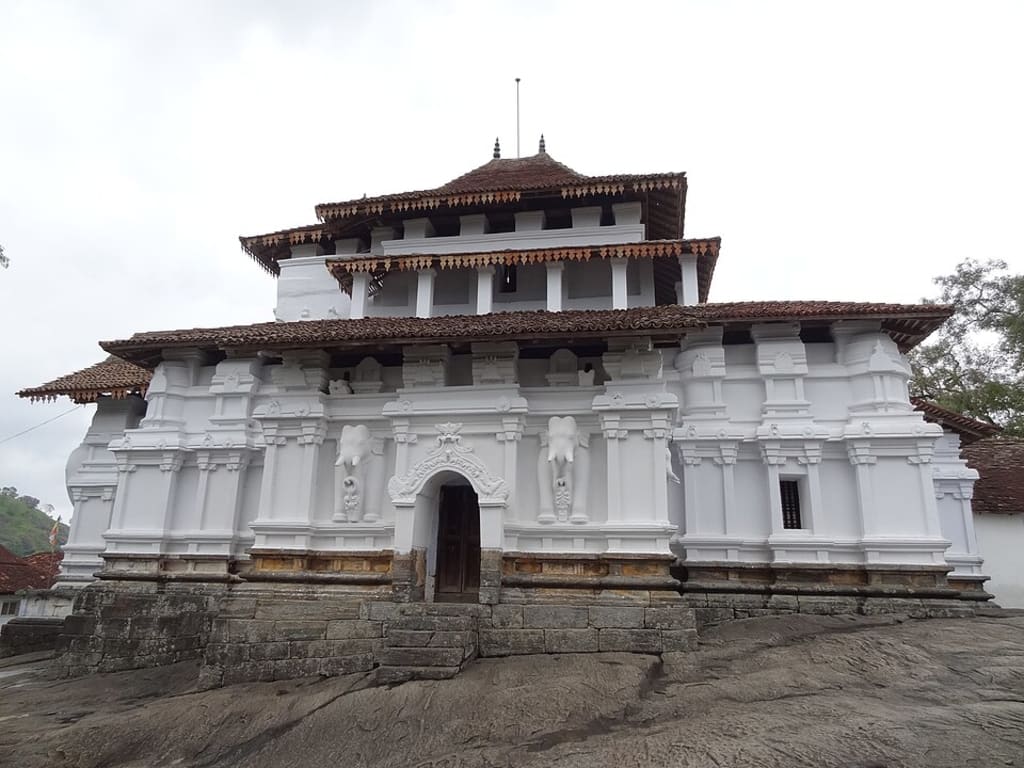
Tucked away among the lush green hills occupying the heart of the island, Sri Lanka’s central region is teeming with charming mountain towns. Surrounded by tea estates and some of the country’s most popular cultural heritage sites, the hill stations of Sri Lanka are a world away from the island's congested coastlines and bustling capital. Whether it’s the region’s pleasant weather conditions or natural beauty, here’s why boutique layovers in the hills are a hit with locals and tourists.
It’s the Journey, Not Just the Destination
Although it is an often-overlooked aspect of the popularity of mountain escapes in Sri Lanka, the scenic railway routes that lead to these high-altitude destinations are a key reason travellers are drawn to the central hills. While local families may opt to drive up to Kandy, Hatton, Ella, and other mountain strongholds in central Sri Lanka, tourists and backpackers with a taste for adventure are increasingly choosing to use the local railway network to reach the mountains. Famed for their breathtaking views and looping routes that crisscross dramatic landscapes, railway journeys to Sri Lanka’s hill country have been ranked among the world’s most scenic tour options by countless travel publications. With iconic landmarks such as the Nine Arches Bridge and frothy waterfalls lining the way, train rides towards the hill capitals are as much about the journey as they are about the destination.
The Heritage Sites and the Museums
Sri Lanka’s hill country is also a major draw for culture buffs, as national parks and botanical gardens are not all there is to see and explore during a stay in a hotel in the hill capital. Whether you occupy a suite at Theva Residency Kandy or any similar boutique hotel in Kandy, a trip to the sacred city, for instance, would not be complete without a stopover at the Temple of the Tooth. Although this UNESCO World Heritage Site, contained within a royal palace, is a compelling reason to holiday in the hills, it is but one among countless other iconic historic temples and cultural attractions located in the mountain stronghold. The Lankatilake Temple, the Embekke Devale, the Ceylon Tea Museum and the World Buddhist Museum are other points of interest that make a sojourn in the hills an exciting prospect for discerning travellers.
The Tea Culture
Intrinsically connected with the legacy of Ceylon Tea, the hill country has long been recognised as the source of the world’s finest tea. With countless tea plantations and colonial-era factories located within its confines, the central mountains are a dream come true for lovers of this aromatic beverage. This heartland of the island’s tea production also offers holidaymakers the chance to tour operational tea factories and take a behind-the-scenes look at how premium quality teas are produced on the island. The proliferation of sustainable and community-based tea plantations also makes Kandy and its surrounding towns a must-visit hotspot for conscious travellers as well as avid connoisseurs.
The Hiking Possibilities and Natural Splendour
The Central Hills of Sri Lanka also offer vacationers the chance to engage in some of the most epic trekking adventures accessible on the island. The verdant mountains of the central region are not only home to tea estates and misty waterfalls, but also a plethora of national parks and unspoiled ecosystems full of captivating lakes and local wildlife. Whether you choose to explore the hiking potential of Horton Plains National Park, set out to tackle the Pekoe Tea Trail or the challenging hiking paths of the Knuckles Mountain Range, there’s no shortage of awe-inspiring environments to explore and uncover.
The Cooler Temperatures and Unique Atmosphere
With an elevation that guarantees temperate conditions, the hill country is also the perfect getaway option for travellers who have grown weary of Sri Lanka’s sweltering heat and its tropical weather conditions. Often compared to the Scottish Highlands and the British countryside, the fact that areas such as Nuwara Eliya have long been called “Little England” is a testament to the European ambience and climatic conditions of the island’s mountain region.
About the Creator
Keep reading
More stories from ameliarosanna and writers in Wander and other communities.
How to Spend a Perfect Evening in Hoi An
Situated on the banks of the calm Thu Bon River, the charming town of Hoi An never fails to capture the imagination of discerning travellers with its beauty and mystique. You will find that this town is even more resplendent at and after dusk, with vibrantly coloured lanterns illuminating the streets and creating a magical, warm atmosphere quite unlike any other place in Vietnam. To help you get started, here are some suggestions for spending an unforgettable evening or night.
By ameliarosannaabout a month ago in Wander
Weather in Morocco in July By Morocco Family Vacation
When we planned our family trip to Morocco, July wasn’t my first choice. Like most parents, I worried about the heat especially with kids. I pictured endless sun, cranky afternoons, and constant searching for shade. But our schedule left us with July, so we adjusted our expectations and planned carefully.
By Ariel Cohena day ago in Wander
Miss Persephone's Manual to a Seemingly Ordinary Life
Miss Persephone was found at the dining table, her blue eyes swollen, her tears arriving and retreating like the tides of the ocean. Earlier that day, her family had visited her in the retirement home where she had lived for eight years. It was her eightieth birthday.
By Imola Tóth5 days ago in Fiction


Comments
There are no comments for this story
Be the first to respond and start the conversation.