
What Is the Importance of Soft Skills in University Education?
Preparing Students For Real-world Challenges!
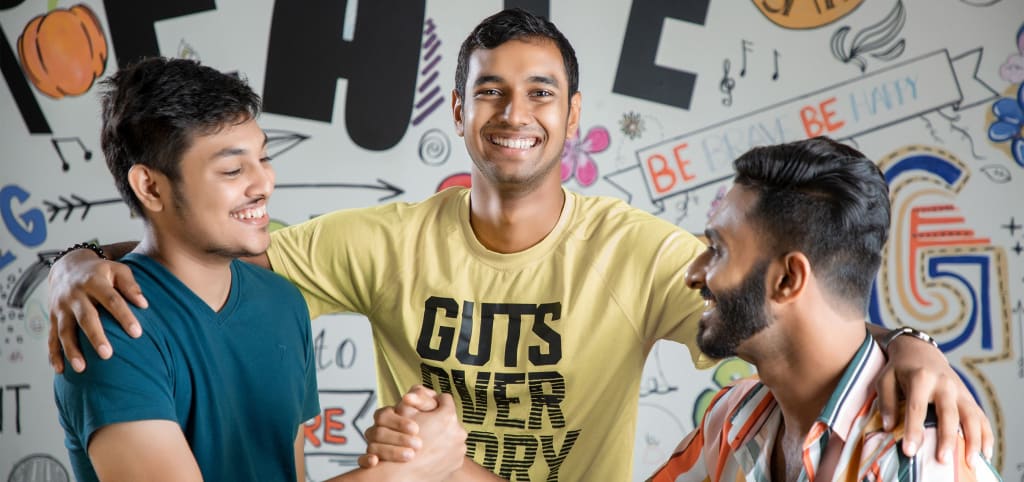
Soft skills have become an essential part of modern university education. While academic knowledge and technical expertise remain important, employers increasingly seek graduates who can communicate effectively, work collaboratively, and adapt to changing environments. Understanding the importance of soft skills helps students recognise why universities today emphasise holistic development alongside traditional academic learning.
What Are Soft Skills?
Soft skills refer to a broad set of personal and interpersonal abilities that influence how individuals interact, communicate, and perform effectively in professional and social settings. Unlike hard skills—which are technical, measurable, and job-specific—soft skills are highly transferable across industries, roles, and career paths. Common soft skills include communication, critical thinking, teamwork, leadership, emotional intelligence, adaptability, problem-solving, and time management. These skills shape how students collaborate with others, handle challenges, manage responsibilities, and apply their academic knowledge in real-world situations, making them essential for long-term career growth, workplace success, and personal development.
Why Are Soft Skills Important in University Education?
University education today extends far beyond simply earning a degree; it is about equipping students to succeed in complex, rapidly changing, and competitive workplaces. Soft skills play a crucial role in bridging the gap between academic theory and professional practice by helping students apply what they learn in real-world contexts. Strong communication skills enable students to articulate ideas clearly, engage in meaningful discussions, collaborate effectively with peers, and present research with confidence. Teamwork and collaboration prepare students for group assignments, leadership roles, and diverse, multicultural work environments. Meanwhile, critical thinking and problem-solving skills empower students to analyse information objectively, make informed decisions, adapt to new challenges, and approach problems creatively. By developing these essential skills at the university level, students graduate not only with academic knowledge but also with the confidence, adaptability, and competence needed to navigate both professional responsibilities and everyday life situations successfully.
How Universities Help Develop Soft Skills
Universities play a key role in nurturing soft skills through teaching methods, assessments, and extracurricular activities. Group assignments, presentations, case studies, and debates encourage students to collaborate, think critically, and express ideas effectively. Internships, industrial placements, and community projects provide hands-on exposure to real-world scenarios, helping students practise professionalism, adaptability, and leadership. Student societies, volunteering opportunities, and sports further enhance communication and interpersonal skills while fostering teamwork and resilience. Institutions offering the best psychology degree in Sri Lanka often place strong emphasis on soft skill development, recognising that emotional intelligence, empathy, and communication are fundamental to psychology-related careers.
The Role of Soft Skills in Career Success
Soft skills significantly influence employability and career growth. Employers value graduates who can work well in teams, manage time efficiently, and communicate with clients, colleagues, and stakeholders. Technical knowledge may secure an interview, but soft skills often determine long-term career success. As individuals move into leadership roles, soft skills become increasingly critical. Emotional intelligence, conflict resolution, and decision-making abilities allow professionals to manage teams effectively and build positive workplace cultures. As industries evolve due to technology and globalisation, adaptability and continuous learning are increasingly essential.
Soft Skills and Personal Development
Beyond careers, soft skills contribute to personal growth and well-being. Skills such as self-awareness, emotional regulation, and empathy help students manage stress, build healthy relationships, and maintain work-life balance. University life presents diverse challenges—from academic pressures to social transitions—and soft skills enable students to navigate these experiences successfully. Graduates with strong soft skills are often more resilient, confident, and better equipped to handle change throughout their lives.
Why Soft Skills Matter More Than Ever
In today's increasingly interconnected world, success requires more than technical expertise alone. Automation and artificial intelligence are transforming industries, placing greater value on uniquely human skills such as creativity, empathy, and communication. Universities like NIBM integrate soft skills into academic programs to ensure graduates are future-ready. By combining academic excellence with interpersonal development, higher education institutions prepare students not only for employment but for leadership and lifelong learning.
About the Creator
Keep reading
More stories from ameliarosanna and writers in Wander and other communities.
Why Hanifaru Bay is a Dream Destination for Marine Life Enthusiasts
Hanifaru Bay, situated in the Baa Atoll in the Maldives, is one of the earth's most bizarre protected marine areas. This protected zone has a special reputation for the annual visitation of mantas and whale sharks and provides a chance for a nature enthusiast to explore the wonders of the ocean.
By ameliarosanna6 days ago in Wander
Exploring the City of Arts and Sciences in Valencia, Spain: A Family Adventure Like No Other
When we first planned our trip to Valencia, Spain, we expected to enjoy beaches, old churches, and the smell of orange blossoms drifting through the streets. What we didn’t expect was to step into something that looked like a city from the future. That surprise came the moment we arrived at the City of Arts and Sciences — and it quickly became one of the most unforgettable days of our family trip.
By Nicole Ortiz 6 days ago in Wander




Comments
There are no comments for this story
Be the first to respond and start the conversation.