
United States Outdoor Furniture and Kitchen Market Size and Forecast 2025
United States Outdoor Furniture and Kitchen Market was valued at US$ 8.77 billion in 2024 and is projected to reach US$ 16.92 billion by 2033, growing at a CAGR of 7.59% from 2025 to 2033

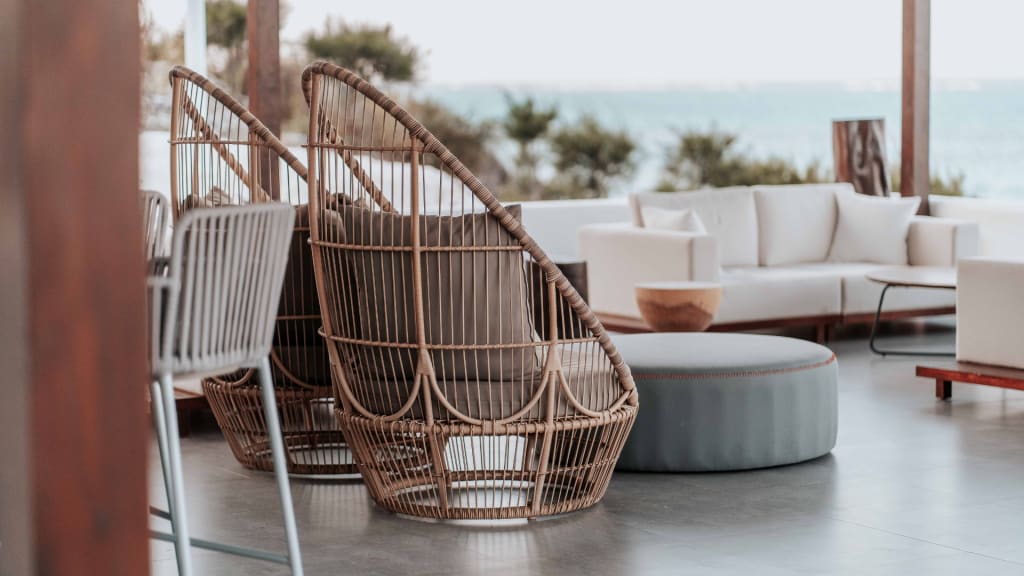
Redefining Outdoor Living: The U.S. Outdoor Furniture and Kitchen Market on a Growth Path
The United States Outdoor Furniture and Kitchen Market was valued at US$ 8.77 billion in 2024 and is projected to reach US$ 16.92 billion by 2033, growing at a CAGR of 7.59% from 2025 to 2033, according to Renub Research. This expansion underscores Americans’ increasing desire to transform backyards, patios, and gardens into stylish, functional living spaces. The surge in home renovations, the rise of outdoor entertainment culture, and the growing preference for sustainable and tech-integrated furniture are key forces driving this market’s upward trajectory.
The comprehensive United States Outdoor Furniture and Kitchen Market Forecast (2025–2033) by Renub Research analyzes the industry across Product (Furniture and Kitchen), Material (Wood, Metal, Plastic, Others), Application (Residential and Commercial), Distribution Channel (Hypermarkets, Furniture Stores, Online Stores, Others), and Region (East, West, North, South)—alongside detailed Company Profiles of leading players such as Inter IKEA Holding B.V., Ashley Furniture Industries, Brown Jordan, and Keter Group.
Outdoor Living: The New Heart of American Homes
Outdoor furniture and kitchens are no longer afterthoughts—they are essential extensions of the modern home. From elegant patio seating sets and dining tables to sophisticated grills and countertops, Americans are investing in outdoor areas that combine comfort, style, and durability. Materials such as wicker, teak, stainless steel, and aluminum dominate the market for their ability to withstand fluctuating weather conditions while maintaining aesthetic appeal.
The trend reflects a broader cultural shift: Americans increasingly view their outdoor spaces as personal sanctuaries for relaxation, family gatherings, and entertainment. The rising popularity of barbecues, al fresco dining, and home-based social events continues to fuel this demand.
Market Growth Drivers
1. Rising Home Improvement and Outdoor Living Trends
The pandemic-induced homebound lifestyle has evolved into a permanent trend. With more people working remotely or spending leisure time at home, backyards have become lifestyle investments. According to the American Institute of Architects, nearly 70% of residential architects anticipate continued growth in demand for outdoor living spaces.
Spending patterns confirm this enthusiasm: the International Casual Furnishings Association reports that Americans spent around US$ 8.5 billion on outdoor furniture and accessories in 2023, marking a 12% year-on-year increase. Multi-functional and weather-resistant pieces—like fire pits, modular loungers, and convertible dining sets—are in especially high demand.
2. Growth in Sustainable and Eco-Friendly Products
Sustainability has become a hallmark of modern furniture design. Consumers are increasingly drawn to products made from recycled plastics, reclaimed wood, bamboo, and FSC-certified teak. Brands are responding with eco-conscious lines that balance performance and environmental responsibility.
A notable example is the Draper James by POLYWOOD Savannah Collection, launched in February 2025. This collaboration between Reese Witherspoon’s lifestyle brand and POLYWOOD—a leader in sustainable outdoor furniture—captures the charm of Southern hospitality while emphasizing recycled materials and long-term durability.
Eco-friendly certifications, low-VOC coatings, and biodegradable materials are no longer niche features—they’re mainstream expectations shaping consumer choices and future innovations.
3. Smart Technology Integration in Outdoor Spaces
Technology is transforming outdoor living. Smart furniture and kitchen systems are redefining convenience and luxury—think solar-powered LED tables, Bluetooth-integrated speakers, automated awnings, and Wi-Fi-connected grills.
In March 2023, Fresco unveiled KitchenOS, a comprehensive platform for smart appliances that integrates IoT controls, personalized recipe guidance, and user engagement tools. Such innovations are helping manufacturers create connected ecosystems that make outdoor cooking and entertaining seamless and efficient.
This fusion of tech and design appeals to younger homeowners seeking elevated outdoor experiences that mirror the sophistication of indoor spaces.
Key Challenges Facing the Market
1. High Cost of Quality Outdoor Products
While consumers crave high-end outdoor living setups, premium materials like teak, stainless steel, and wrought iron significantly raise product prices. Weather-resistant coatings, UV-proof fabrics, and built-in technology further drive costs upward.
Logistics and freight charges for bulky furniture also add to retail prices. Although cheaper alternatives exist, they often compromise durability, pushing brands to innovate around affordability without reducing quality.
2. Weather and Seasonal Limitations
The outdoor furniture and kitchen market remains seasonally dependent, with peak sales in spring and summer. In regions with harsh winters or extreme heat, consumers often hesitate to invest in permanent outdoor fixtures.
To counter this, companies are designing all-weather furniture with protective coatings and removable covers. Still, unpredictable climate shifts continue to pose challenges for inventory management and year-round sales stability.
Segment Analysis: Spotlight on Key Categories
Outdoor Loungers
Outdoor loungers have become a symbol of luxury living. Designed for relaxation near pools, patios, and gardens, these pieces feature UV-resistant cushions, ergonomic designs, and adjustable reclining systems. Consumers now favor modular and waterproof designs, blending aesthetics with functionality.
Outdoor Chairs
From Adirondack and rocking chairs to foldable patio models, the chair segment showcases diversity and innovation. Recycled plastic, synthetic rattan, and aluminum dominate material choices, while color customization and ergonomic comfort define buying preferences.
Wood Kitchen Furniture
Wooden outdoor kitchens—crafted from teak, cedar, or acacia—exude rustic charm while offering sustainability. Waterproof treatments and UV protection extend their life. The demand for custom-built wooden counters and cabinets is growing as homeowners seek craftsmanship and individuality.
Metal Kitchen Furniture
Metals like stainless steel and powder-coated aluminum bring durability and a sleek, contemporary edge to outdoor kitchens. Their rust resistance and low maintenance make them ideal for both residential and commercial setups. Blended materials, such as metal-wood hybrids, are trending for their balanced aesthetics.
Residential vs. Commercial Markets
Residential Segment
The residential outdoor furniture and kitchen market dominates in the U.S., propelled by rising homeowner investment in backyard transformations. Consumers prefer modular kitchen units, sustainable materials, and smart-enabled appliances for a cohesive indoor-outdoor aesthetic.
The e-commerce boom has further democratized access to outdoor furniture, providing buyers with endless design options and price points—all from the comfort of their homes.
Commercial Segment
The commercial segment—encompassing hotels, resorts, and restaurants—is witnessing strong momentum. The surge in al fresco dining, rooftop lounges, and outdoor event spaces has boosted demand for durable, low-maintenance furniture.
Businesses are opting for stainless steel and wicker-based designs that offer both elegance and resilience. The pandemic accelerated the trend toward open-air environments, and that preference continues to influence design decisions in the hospitality sector.
Distribution Channels: How Americans Shop for Outdoor Living
Furniture Stores
Traditional furniture showrooms remain vital. They provide tactile experiences—customers can touch, test, and visualize pieces in curated displays. High-end buyers prefer in-store consultations and customization, and many stores are now combining physical experiences with online catalogues.
Online Stores
E-commerce has revolutionized the buying journey. Platforms now offer 3D previews, augmented reality tools, and home-delivery services, making online shopping both interactive and convenient. Direct-to-consumer (DTC) brands and subscription-based rental services have emerged as disruptive models, catering to flexible and seasonal demands.
Regional Insights
Eastern United States
Homeowners in states like New York, Florida, and North Carolina favor stylish yet durable furniture to handle humid and coastal climates. Urban residents seek space-saving solutions, while coastal buyers prefer corrosion-resistant materials such as aluminum and teak.
Western United States
The West Coast, particularly California, Arizona, and Washington, is synonymous with outdoor living. Year-round sunshine has spurred demand for UV-resistant furniture, built-in grills, pizza ovens, and bar setups. Sustainability remains a regional priority, with a focus on solar-powered and weather-adaptive solutions.
Key Players in the U.S. Outdoor Furniture and Kitchen Market
The competitive landscape includes both global brands and specialized local manufacturers. Major players are focusing on innovation, eco-friendly production, and customization to capture evolving consumer tastes.
Top Companies Covered:
Inter IKEA Holding B.V.
Ashley Furniture Industries, Inc.
Brown Jordan
Keter Group
Agio International
Lloyd Flanders, Inc.
Barbeques Galore
Century Furniture LLC
Kimball International Inc.
Restoration Hardware
Each player is leveraging strategies such as product diversification, smart technology integration, and omnichannel retailing to maintain market competitiveness.
Final Thoughts
The United States Outdoor Furniture and Kitchen Market embodies the nation’s evolving relationship with home spaces—where luxury, sustainability, and technology converge outdoors. With rising homeowner investment, eco-conscious materials, and innovations in smart living, the market’s future looks promising.
As Americans continue to prioritize lifestyle comfort and design aesthetics, outdoor furniture and kitchens will remain central to the modern home experience—not just as décor, but as symbols of a lifestyle that blends relaxation, sustainability, and sophistication.
About the Creator
Sushant. Renub Research
I’m Sushanta Halder, Digital Marketing Manager at Renub Research with 15+ years in SEO, content, PPC & lead generation. Passionate about data-driven growth strategies.
Keep reading
More stories from Sushant. Renub Research and writers in Wander and other communities.
United States Soup Market Size and Forecast 2025
The United States soup market stood at US$ 5.03 billion in 2024 and is anticipated to reach US$ 6.64 billion by 2033, exhibiting a CAGR of 3.66% between 2025 and 2033, according to Renub Research. The market’s steady rise reflects America’s growing appetite for convenient, healthy, and innovative meal options. From comforting chicken noodle classics to plant-based global recipes, soups are being reimagined to align with modern consumer lifestyles.
By Sushant. Renub Research2 months ago in Feast
Kudremukh Trekking: Walking Through Nature at Its Calmest
Kudremukh trekking feels like stepping into a slower world. Tucked away in the Western Ghats of Karnataka, this trek doesn’t try to impress you with drama or difficulty. Instead, it gently invites you to walk, breathe, and notice how green the world can be when nature is left undisturbed. If your idea of travel is less about rushing and more about feeling present, Kudremukh is the kind of place that quietly stays with you.
By Aditi Khandelwal5 days ago in Wander



Comments
There are no comments for this story
Be the first to respond and start the conversation.