
Ultimate Guide to Everest Base Camp Trek
Explore the World's Top Mountain
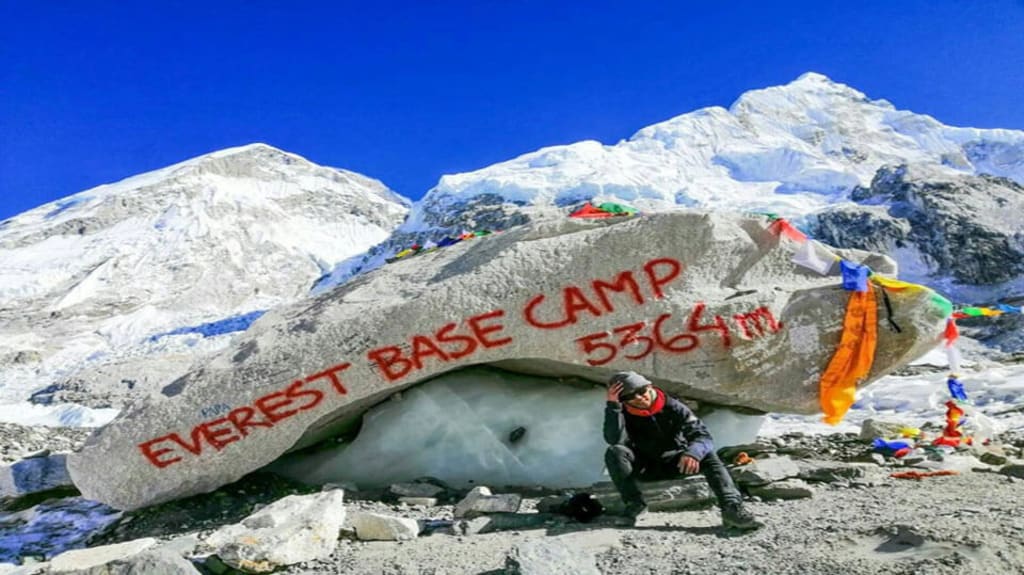
The Everest Base Camp trek is an iconic journey through the heart of the Himalayas, leading trekkers to the foot of Mount Everest. It offers breathtaking views, Sherpa culture, and diverse landscapes, from lush forests to high-altitude glaciers. The trek takes around 12-15 days, including acclimatization.
Why is Everest Base Camp a unique trekking destination?
Everest Base Camp is a unique trekking destination due to its unparalleled proximity to the world’s highest peak, Mount Everest. It combines stunning Himalayan views, rich Sherpa culture, and challenging high-altitude trekking, offering a once-in-a-lifetime experience of standing at the base of an iconic natural wonder.
When is the best time to visit?
The best time to visit Everest Base Camp is during spring (March-May) and autumn (September-November). These seasons offer stable weather, clear skies, and spectacular mountain views. Spring features blooming rhododendrons and moderate temperatures, while autumn provides crisp, dry air for excellent visibility. Avoid monsoon (June-August) due to rain and slippery trails.
Necessary permits and fees
For the Everest Base Camp trek, you will need two permits:
1. Sagarmatha National Park Entry Permit: Costs NPR 3,000 (around USD 25), and it’s required for entering the protected Sagarmatha National Park.
2. Khumbu Pasang Lhamu Rural Municipality Permit: Costs NPR 2,000 (around USD 15), replacing the old TIMS card, required for trekking in the Everest region.
You can obtain these permits in Kathmandu or at checkpoints along the route.
Planning Your Trip
How to Get to Everest Base Camp?
To get to Everest Base Camp, start with a flight from Kathmandu to Lukla. From
Lukla, you trek through Phakding, Namche Bazaar, Tengboche, Dingboche, and Lobuche before reaching Everest Base Camp (5,364m).
You can take the classic route, hiking from Lukla to Everest Base Camp via Namche Bazaar and Gorak Shep. Some opt for variations like the Gokyo Lakes trek for additional alpine beauty. Each path offers its stunning views, requiring a careful choice based on time and fitness.
Essential gear and packing list
Your backpack should feel snug as you shoulder it, packed with layers of thermal clothing, a sturdy down jacket, trekking poles, and a well-broken-in pair of boots. A headlamp, water purification tablets, and a first aid kit complete the essentials.
Acclimatization and health considerations
Your breath quickens as you ascend, heartbeats thumping faster. Acclimatization days in Namche Bazaar are crucial. Trek high, sleep low—this golden rule helps fend off altitude sickness. Hydration is key, and listening to your body’s signals is paramount for a safe and successful trek.
Trekking the Everest Base Camp
Everest Base Camp Trek Itinerary
Here is the itinerary that blends breathtaking scenery, rich Sherpa culture, and challenging high-altitude trekking for a rewarding adventure to Everest Base Camp.
Arrival in Kathmandu:
You’ll be transferred to your hotel upon arrival at Tribhuvan International Airport. You will have an evening trek briefing with your guide.
Kathmandu Sightseeing and Trek Preparation:
You can visit UNESCO World Heritage sites like Pashupatinath, Boudhanath Stupa, and Swayambhunath (Monkey Temple). Then, you will be doing the final trek preparation and equipment check.
Fly to Lukla and Trek to Phakding:
You will take a scenic 30-minute flight to Lukla. Then, begin trekking downhill to Phakding through Sherpa villages and lush forests.
Phakding to Namche Bazaar:
You will trek for 5-6 hours, cross suspension bridges over the Dudh Koshi River and hike up to Namche, the gateway to Everest.
Acclimatization Day in Namche Bazaar:
You can rest and acclimatize in Namche Bazaar. You can go ahead and explore Namche and hike to Everest View Hotel for stunning views of Everest, Lhotse, and Ama Dablam.
Namche Bazaar to Tengboche:
You will trek along the scenic trail with views of Everest, Ama Dablam, and lush rhododendron forests. You can also visit the famous Tengboche Monastery.
Tengboche to Dingboche:
While trekking from Teengboche you will pass through the Imja Valley, with stunning mountain vistas as the landscape becomes more barren and alpine. After hiking for 5-6 hours you will reach Dingboche and stay overnight at a teahouse.
Acclimatization Day in Dingboche:
You can spend the day acclimatizing by taking an optional hike to Nagarjun Hill (5,100m) for altitude adaptation and panoramic views of Everest, Lhotse, and Island Peak.
Dingboche to Lobuche:
You will trek past the memorials of climbers lost on Everest. You’ll start feeling the high altitude as you approach Lobuche.
Lobuche to Gorakshep:
Trek to Gorakshep and stay overnight at a teahouse.
Hike to Kalapatthar, trek back to Gorakshep, and trek to Everest Base Camp:
Early morning hike to Kalapatthar for the best sunrise views of Everest. Then continue to Everest Base Camp, standing at the foot of the mighty Khumbu Icefall.
Everest Base Camp to Pheriche:
Then trek down to Pheriche for 7-8 hours and stay overnight at a teahouse.
Pheriche to Namche Bazaar:
Descend through alpine terrain back to the comfort of Namche, with easier breathing as the altitude decreases.
Namche Bazaar to Lukla:
The final day of trekking as you return to Lukla, retracing your steps through forests and villages.
Fly from Lukla to Kathmandu:
Early morning flight back to Kathmandu. Relax or explore more of the city.
Final Departure:
Transfer to Tribhuvan International Airport for your onward flight.
Highlights of the Everest Base Camp Trek
The EBC trek is an unforgettable blend of adventure, culture, and nature, making it a must-do for trekkers worldwide. The highlights of the Everest Base Camp trek are as follows:
● Close-up View of Mount Everest: Stand at the base of the world’s highest peak, surrounded by the majestic Himalayas.
● Tengboche Monastery: A spiritual stop with panoramic views of Everest, Ama Dablam, and other peaks.
● Kalapatthar Summit: The best vantage point for sunrise and unforgettable views of Everest.
● Sagarmatha National Park: A UNESCO World Heritage site with diverse flora, fauna, and stunning natural beauty.
Challenges and Difficulties of the Everest Base Camp Trek
● Altitude: The trek reaches heights over 5,000m, with low oxygen levels, making altitude sickness a common risk.
● Long Trekking Days: Daily hikes range from 5-8 hours, which can be physically demanding, especially on rough, uneven terrain.
● Unpredictable Weather: Weather conditions can change rapidly, including snow and strong winds, potentially delaying flights from Lukla.
Despite these challenges, proper preparation, acclimatization, and mental resilience make the trek manageable and rewarding for trekkers.
Tips for staying safe and comfortable
The following precautions help ensure a safer, more enjoyable trek:
Acclimatize Properly: Take rest days at Namche Bazaar and Dingboche to adjust to the altitude. Trek slowly and drink plenty of water.
Carry a First Aid Kit: Include altitude medication, blister care, and basic medications for headaches or upset stomachs.
Monitor for Altitude Sickness: Be aware of symptoms like headaches, dizziness, or nausea. Descend immediately if symptoms worsen.
Culture and People
The Everest region is rich in Sherpa culture, characterized by warm hospitality, Buddhist traditions, colorful festivals, and unique architectural styles. Traditional villages like Namche Bazaar and Tengboche showcase unique Sherpa architecture, while monasteries like Tengboche Monastery offer spiritual insights and breathtaking views.
It is better to engage with locals respectfully, learn basic greetings, and honor customs like removing shoes before entering homes or monasteries.
Food and Accommodation
Food:
Traditional Nepali Cuisine: Expect hearty meals like dal bhat (lentils and rice), momos (dumplings), and vegetable curries, typically affordable at around $5-$10 per meal.
Hydration: Bring water purification tablets or filters to avoid buying bottled water, which can be costly and environmentally harmful.
Accommodation:
Lodges/Tea Houses: Most trekkers stay in basic lodges, which cost around $10-$30 per night. Prices vary based on location and amenities.
Camping: Less common on the EBC trek due to the availability of tea houses, but some trekkers choose to camp for privacy or a more immersive experience. This requires a guide and porter service, which can add to the budget.
By planning your meals and accommodations wisely, you can enjoy the trek while keeping your budget in check.
Additional Tips
Responsible trekking involves minimizing waste, respecting local customs, and using eco-friendly practices to protect the fragile Himalayan environment.
Use natural light for stunning shots, respect local customs, and ask permission before photographing people or sacred sites. Carry extra batteries.
Conclusion
The Everest Base Camp trek is an unforgettable journey that combines breathtaking scenery, rich culture, and personal challenges. Whether you're gazing at the towering peaks or interacting with welcoming Sherpa communities, each moment offers a unique experience.
For a smooth adventure, consider working with a local trekking agency in Nepal, such as Nepal Trekking Routes, which provides expert guidance, safety measures, and personalized itineraries. They also offer alternative treks like the Annapurna Circuit or Gokyo Lakes for those seeking more adventure. Enjoy the beauty of the Himalayas and make lasting memories
About the Creator
Nepal Trekking Routes
Nepal Trekking Routes Pvt. Ltd, we are more than just a trekking company; we are your gateway to the breathtaking landscapes, rich cultures, and unforgettable adventures that Nepal has to offer. Our passion for exploration
Keep reading
More stories from Nepal Trekking Routes and writers in Wander and other communities.
Everything You Need to Know About Upper Dolpo Trek
The Upper Dolpo trek is a very special place in Nepal’s trekking scene and tourism industry. This remote trek gives rare opportunities to trekking enthusiasts to explore a way of life that hasn’t changed for centuries. It’s more than just a trek; it’s a deep, meaningful journey into the heart of the Himalayas, offering you unforgettable experiences and memories that will last a lifetime.
By Nepal Trekking Routes2 years ago in Photography
Tatt~Master
— Assembly Line Tatt Machine ~ Impressions to Impress — As I begin to understand more about the Tattoo Phenomenon. I've written silly, yet verbatim, dating site anecdotes in 'Frazzled.' So let me ask you: Would you be More attracted to someone slathered with tattoos, or Less?
By Jay Kantor7 days ago in Humor


Comments
There are no comments for this story
Be the first to respond and start the conversation.