
Trekking to Everest Base Camp: A Trip to the World's Roof
Everest Base Camp Trek

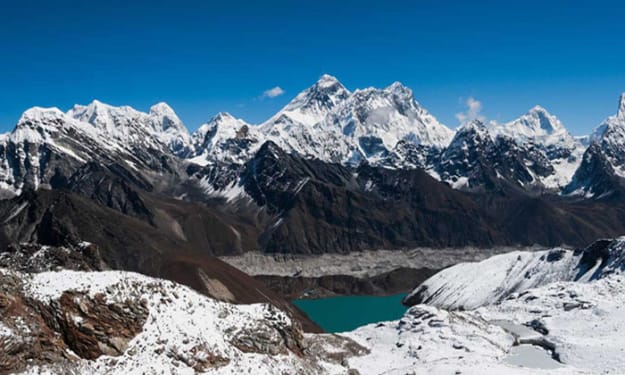
One of the most well-known trekking routes in the world, the Everest Base Camp Trek draws both nature lovers and adventurers. This journey, which is tucked away in Nepal's Khumbu region, provides an unmatched chance to experience the breathtaking Himalayan scenery, learn about Sherpa culture, and make it to the base camp of Mount Everest, the highest peak in the world (8,848 meters). This thorough book offers all the information you need to plan your Everest Base Camp Trek, including route planning, preparation, and advice for a successful trip.
1. An outline of the trek to Everest Base Camp
It usually takes 12 to 16 days to complete the Everest Base Camp Trek, depending on your schedule and speed. After an amazing flight from Kathmandu to Lukla, the trip consists of a hike through charming villages, verdant woods, and high-altitude terrain. The route takes you to Everest Base Camp, which is 5,364 meters above sea level and where climbers begin their ascent of the mountain.
2. Ideal Trekking Season
Spring (March to May) and fall (September to November) are the best seasons to start the Everest Base Camp Trek. Trekking is delightful during these seasons because of the consistent weather, clear skies, and comfortable temperatures. Trails become slick and difficult during the monsoon season (June to August) due to rain, while winter (December to February) can be bitterly cold with a lot of snow.
3. Needed Permits
Two necessary permits are required in order to travel to Everest Base Camp:
Sagarmatha National Park Permit: This permit, which can be acquired in Kathmandu or Monjo, permits entry into the national park.
Trekking in the Khumbu region also requires a Khumbu Pasang Lhamu Rural Municipality Permit, which may be obtained in Kathmandu or Lukla.
These permits protect hikers' safety and contribute to the preservation of the area's natural beauty.
4. Highlights of the Route and Itinerary
A number of significant stops are included in the standard Everest Base Camp Trek itinerary, each of which offers something different:
- Lukla: The walk starts with a picturesque flight to Lukla, where you can discover lodges, shops, and the lively mood of hikers getting ready for their adventures.
- The lively Sherpa village of Namche Bazaar, also referred to as the "Gateway to Everest," is the ideal location for acclimatization while seeing its marketplaces, cafes, and well-known weekly market.
- Tengboche: This settlement, which is home to the magnificent Tengboche Monastery, provides beautiful views of Ama Dablam and Mount Everest.
- Another acclimatization stop is Dingboche, a quaint hamlet that offers breathtaking views of the surrounding peaks and an opportunity to enjoy Sherpa friendliness.
- Gorak Shep: Gorak Shep is the last site of stay before arriving at Base Camp. Trekkers can ascend Kala Patthar for a breathtaking sunrise view of Everest and go to Everest Base Camp from here.
5. Lodging and Food
The majority of lodging options along the Everest Base Camp Trek are tea houses, which provide simple conveniences like communal meals and restrooms. The amenities may get more basic as you go up, but the kind service never changes. Typical meals consist of filling dishes like momos (dumplings), noodles, and dal bhat (rice and lentils). Due to supply issues, meal costs may increase further up the journey.
6. Essentials of Packing
Packing well is essential to a successful trek to Everest Base Camp. Important prerequisites consist of:
Layered Clothes: Bring waterproof outer shells, insulating layers, and moisture-wicking base layers because weather patterns change.
Robust Trekking footwear: For rocky and occasionally slick paths, footwear that are comfortable, waterproof, and have adequate ankle support are essential.
Sleeping Bag: For cold nights at higher elevations, a warm sleeping bag with a cold temperature rating is required.
Trekking poles: Helpful for preserving equilibrium and lessening knee strain on steep descents.
First Aid Kit: Provide basic medical supplies, blister treatment, and medication for altitude sickness.
7. Safety and Health Advice
Acclimatization: Take acclimatization days, particularly in Namche Bazaar and Dingboche, to avoid altitude sickness. If your symptoms get worse, pay attention to your body and go down.
Remain Hydrated: Dehydration can occur at high elevations, so drink lots of water to stay hydrated.
Recognize the Altitude Sickness Symptoms: Learn about the symptoms, such as headaches, nausea, and exhaustion, and be ready to get treatment if you need it.
8. Projected Price
Depending on whether you want to go alone or with a guide, the Everest Base Camp Trek might cost anywhere between $1,000 and $2,500. Permits, lodging, meals, and, if hired, guide/porter expenses are usually included in the price. Flights, snacks, and gratuities for porters and guides may be extra costs.
9. In conclusion
A once-in-a-lifetime event, the Everest Base Camp Trek offers breathtaking scenery, a wealth of cultural encounters, and personal difficulties. Trekkers can have an amazing experience reaching the base of the highest peak in the world if they are well-prepared, have an adventurous spirit, and show consideration for the surrounding ecosystem. The Everest Base Camp Trek is sure to be a fulfilling and transformative experience, regardless of your level of experience.
About the Creator
Keep reading
More stories from bright vibes and writers in Wander and other communities.
Title: A Lifetime Adventure: Your Handbook for the Everest Three Passes Trek
The Everest Three Passes Trek is a once-in-a-lifetime experience that passes through some of the Himalayas' most stunning scenery. This walk takes you past traditional Sherpa communities, verdant valleys, and glacial lakes in addition to providing breathtaking views of Mount Everest and other majestic peaks. Having an experienced guide is crucial to making the most of this amazing adventure.
By bright vibesabout a year ago in Wander
Away from the Crowds in Oregon
In southeastern Oregon you’ll find the Alvord Desert. The desert is a massive dry lakebed with the Steens Mountain towering over it. If you like you can spend a night camping beneath the stars. : Located about a seven-hour drive from Portland, it is a remote destination ideal for those seeking solitude and natural beauty.
By Rasma Raisters4 days ago in Wander
The Ancient Wonder That Stole My Heart: My Journey Through the Angkor Archaeological Park
A Magical Trip of Temples, Sunrises, and Timeless Beauty in Siem Reap I’ve always been a traveler who seeks beauty, history, and unforgettable moments. But nothing in my life prepared me for the day I stepped into the Angkor Archaeological Park. This place is not just a group of temples—it’s a living story, a breathtaking world of stone and jungle, and a spiritual journey that changes you.
By Ahmed aldeabellaabout 14 hours ago in Wander


Comments
There are no comments for this story
Be the first to respond and start the conversation.