
Travelling to Mexico? Here’s What You Need to Know Following Cartel Violence Outbreak
A practical guide for travelers on safety, regional risks, and official advice

Introduction
Mexico remains one of the most visited countries in the world, known for its culture, beaches, history, and food. However, recent reports of cartel-related violence in certain regions have raised concerns among international travelers.
If you are planning a trip, it is important to understand where incidents have occurred, what official travel advisories say, and how to reduce risk. This guide provides clear and practical information to help you make informed decisions.
Travel safety is not about avoiding a country entirely. It is about understanding conditions on the ground and planning accordingly.
Understanding the Recent Violence
Drug cartel activity in Mexico is not new. However, outbreaks of violence can intensify due to internal conflicts, arrests of high-profile figures, or disputes over territory.
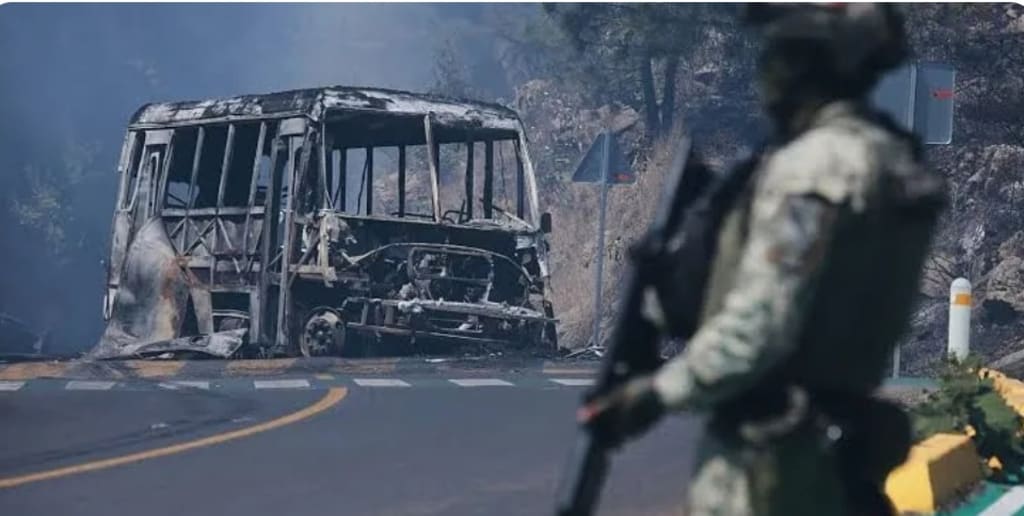
These incidents often involve clashes between criminal groups or confrontations with security forces. In some cases, roadblocks, vehicle fires, or temporary airport disruptions have been reported.
It is important to note that such violence is typically concentrated in specific areas rather than spread across the entire country. Popular tourist destinations often operate normally even when other regions face unrest.
Which Areas Are Most Affected?
Violence linked to organized crime is more common in certain border states and regions with known trafficking routes. States such as Sinaloa, Michoacán, Tamaulipas, and parts of Guerrero have experienced periodic security challenges.
Major resort areas such as Cancún, Playa del Carmen, Los Cabos, and Puerto Vallarta are generally more secure due to heavy tourism presence and increased law enforcement visibility. However, no destination is entirely risk-free.
Travel advisories issued by foreign governments typically categorize Mexican states individually. It is important to review the advisory specific to the region you plan to visit.
What Official Travel Advisories Say
Governments such as the United States, Canada, and the United Kingdom regularly update travel guidance for Mexico. Advisories often range from “exercise increased caution” to “reconsider travel” or “do not travel” depending on the location.
These advisories are based on crime rates, kidnapping risk, and recent incidents. They do not necessarily mean tourists are being targeted, but they indicate elevated risk levels in certain areas.
Before departure, check the official government website of your home country for the most recent guidance. Conditions can change quickly.
Impact on Tourism and Airports
Cartel-related incidents sometimes affect transportation infrastructure. In rare cases, airports have temporarily suspended operations due to security concerns. Highways may also be blocked during violent clashes.
However, Mexico’s major international airports usually resume normal operations quickly. Tourism is a key part of the national economy, and authorities prioritize keeping travel routes open.
If you have flights booked, monitor airline communications and local news sources for updates. Travel insurance that covers trip interruption can provide additional protection.
Practical Safety Tips for Travelers
While many travelers visit Mexico without incident, taking precautions is important, especially during periods of unrest.
Avoid traveling at night, particularly on highways in unfamiliar areas.
Use authorized transportation services, such as registered taxis or rideshare platforms.
Stay in well-reviewed hotels with visible security measures.
Avoid discussing travel plans with strangers.
Keep family or friends informed about your itinerary.
Situational awareness is one of the most effective safety tools. If something feels unsafe, leave the area.
Staying Informed During Your Trip
Access to reliable information is essential. Follow local news outlets and official government social media accounts for updates.
Registering with your embassy or consulate can help authorities contact you in case of emergency. Many countries offer voluntary traveler registration services.
Hotel staff and tour operators can also provide advice about areas to avoid.
Understanding the Broader Context
Mexico’s security challenges are linked to organized crime networks involved in drug trafficking, human smuggling, and other illegal activities. These networks operate in competition with one another.
However, everyday life continues in most cities and tourist zones. Millions of international visitors travel to Mexico each year without experiencing violent crime.
It is important to separate high-profile incidents from the overall travel experience. Media coverage often focuses on dramatic events, but many regions maintain stable conditions.
Travel Insurance and Emergency Planning
Comprehensive travel insurance is strongly recommended. Policies should include medical coverage, emergency evacuation, and trip cancellation protection.
In the event of a serious incident, knowing the location of the nearest hospital and your country’s embassy can be helpful. Save emergency contact numbers in your phone.
Preparation reduces stress and ensures you can respond quickly if plans change.
Should You Cancel Your Trip?
Whether to proceed with travel depends on your destination, risk tolerance, and the latest advisory information.
If your trip is planned for a region currently under a “do not travel” advisory, reconsidering may be wise. If you are visiting a major resort area with no recent incidents, the risk may be lower.
Flexibility is important. Many airlines and hotels offer rebooking options during periods of instability.
Responsible Travel and Local Communities
Tourism supports millions of jobs in Mexico. Sudden cancellations can affect local businesses that rely on visitors.
At the same time, traveler safety must come first. Responsible tourism means respecting local guidance, supporting licensed operators, and following official recommendations.
Avoid participating in activities that could expose you to unsafe environments.
Monitoring Conditions Before Departure
Security conditions can change quickly. Review updates regularly in the weeks leading up to your trip.
Check:
Government travel advisories
Airline notifications
Local news from the destination region
Weather alerts that may affect travel plans
Staying informed allows you to adjust plans if necessary.
Final Thoughts
Mexico continues to attract visitors with its diverse landscapes and cultural heritage. However, recent cartel violence in certain regions highlights the importance of preparation and awareness.
Travel decisions should be based on verified information rather than assumptions. By understanding regional risks, following official guidance, and taking practical precautions, travelers can reduce potential exposure to danger.
Safety is not about fear. It is about informed planning. With careful preparation, many trips to Mexico can proceed smoothly even during periods of regional tension.
Before you travel, review the latest advisories, confirm transportation arrangements, and ensure you have appropriate insurance coverage. Staying informed and cautious will help you navigate changing conditions responsibly.
About the Creator
Saad
I’m Saad. I’m a passionate writer who loves exploring trending news topics, sharing insights, and keeping readers updated on what’s happening around the world.
Photography Tours: Everything You Need to Know
If you have ever returned from a wildlife trip with images that fell short of the experience — blurry shots, blown highlights, or subjects that disappeared before you could compose the frame — you already understand the core argument for booking dedicated photography tours rather than standard nature or wildlife excursions. Photography tours exist to close the gap between the wildlife you see and the images you actually bring home.
By Michael Wilsonabout 9 hours ago in Wander


Comments
There are no comments for this story
Be the first to respond and start the conversation.