
Traveling in Togo
A country on the Gulf of Guinea in West Africa

Togo is located in a lovely spot on the Gulf of Guinea in West Africa. This country offers visitors palm-lined beaches and hilltop villages.
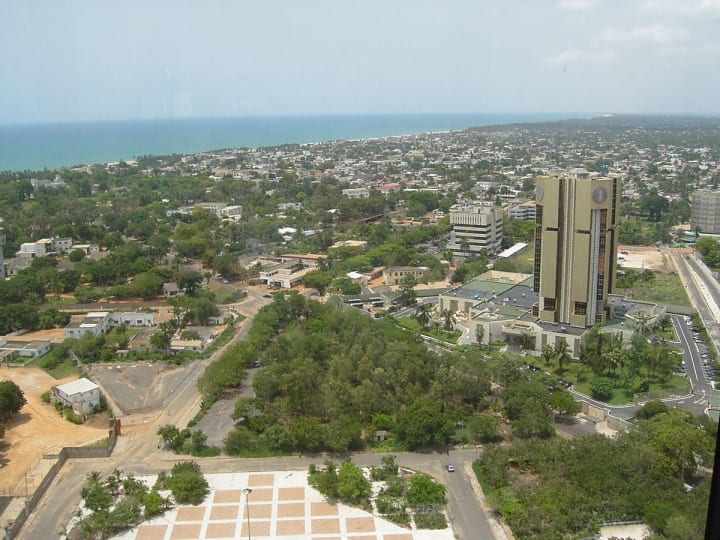
The capital, Lome was once referred to as the Paris of West Africa.
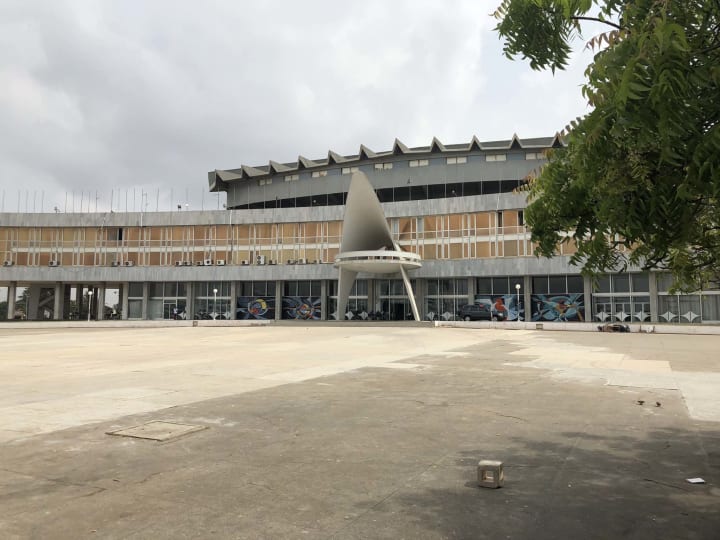
The Musee National offers visitors a good look into the country’s culture and history. You enter the museum through the back of the Congressional Palace in the Place de l’Independence. There are displays of costumes, artifacts, musical instruments, pottery, traditional medicine, wood cravings, and other relics from Togo’s history. There is also a large collection of cowrie shells and thunderstones, huge egg-shaped rocks once used as legal tender.
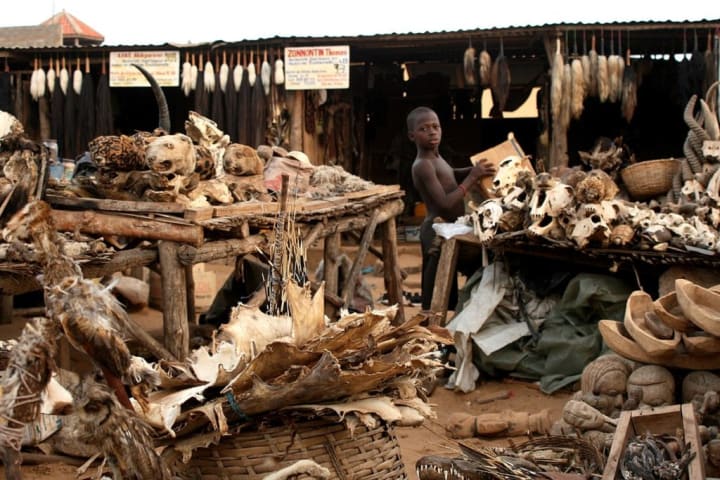
Tourists enjoy the Marche des Feticheurs located about four kilometers outside of the city center. The market lets visitors see an odd assortment of things to buy such as traditional tonics and serpent heads, parakeet tails, warthog teeth, porcupine skins, chameleons, thunderstones, horse hairs, donkey skulls, and more. There is also a wide selection of ready-made charms from all over Africa.
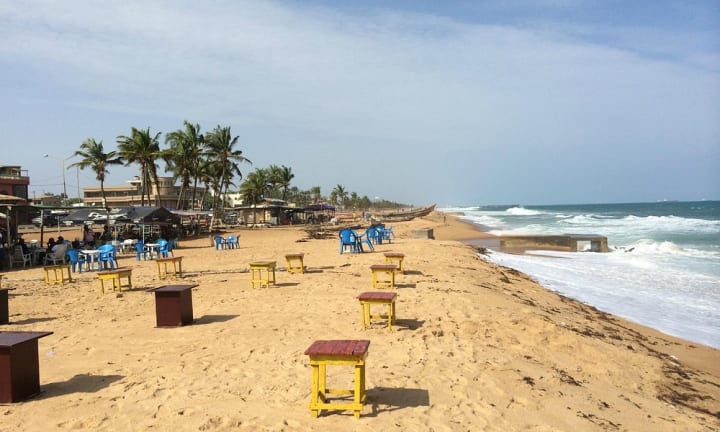
One of the best beaches is Lome Beach. Here you can cool off with ocean breezes, see fishermen with their daily catch, and vendors sell snacks, souvenirs, and fruity drinks.
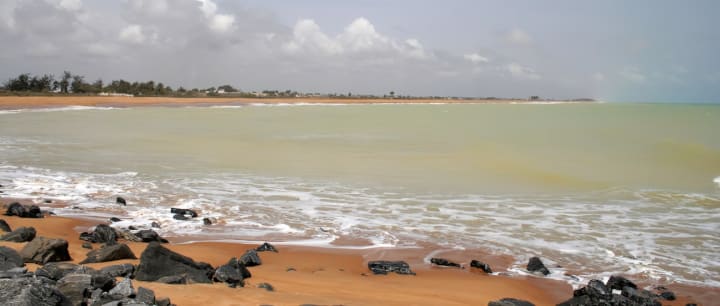
Aneho Beach near the eastern border of Togo is well worth a visit. You can see rocky outcroppings, the waves are strong and the coastline is dotted with colonial-era houses and colorful flora.
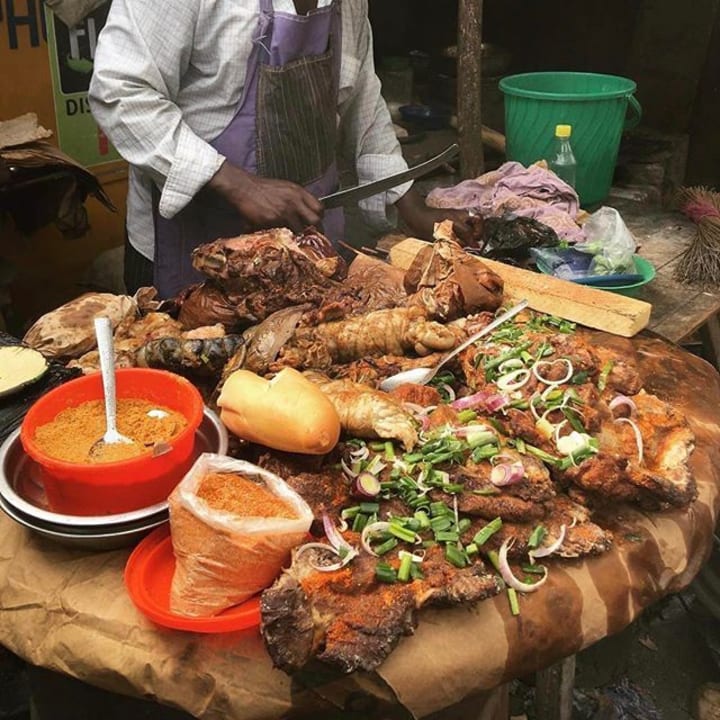
Keep in mind that street food is delicious in Lome and there are great eateries all over including Chinese, German, and French restaurants. When the sun goes down locals enjoy the discotheques and bars where you can do some great Western-style dancing. At the beaches near the border of Ghana, you can get cold beer and tropical music until early morning. Locals enjoy Tchouk, a millet beer that is brewed right in the city. Other popular drinks include palm wine and Togolese.
Exploring the rest of Togo
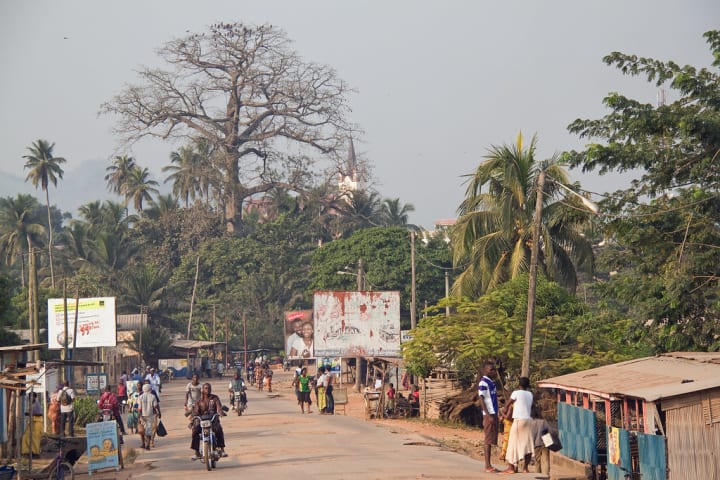
You’ll find the village of Kpalime about an hour and a half drive outside the city near the borders of Ghana. It is known for its cocoa plantations and weaving industry. Visitors here like the Roman Catholic Church constructed in 1913.
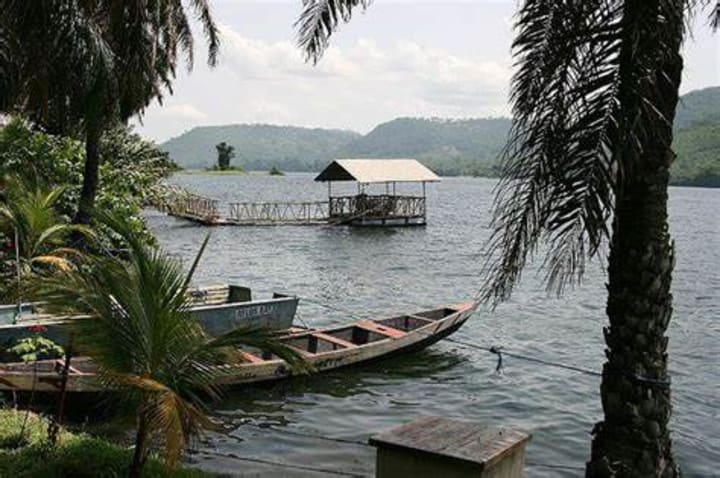
They also enjoy hiking Mount Agou which is Togo’s highest point to get great views of Lake Volta. You can see craft sellers with voodoo wood carvings and mysterious religious trinkets.
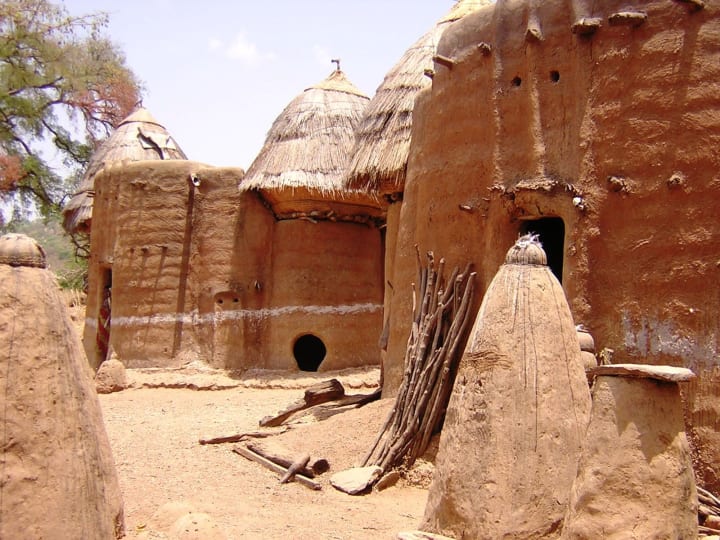
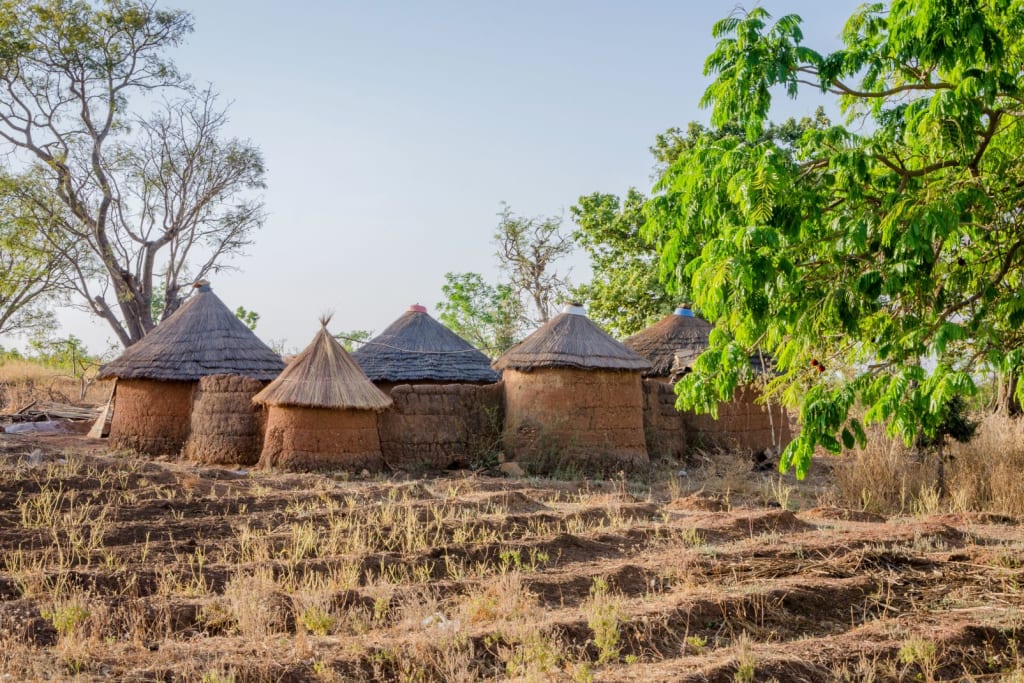
Koutammakou is known as the “Land of the Batammariba” and is a UNESCO World Heritage Site. Here in northern Togo, you can find rustic villages built from adobe walls with thatched roofs. There are amazing mountains, mud-cracked bushland, and many hills.
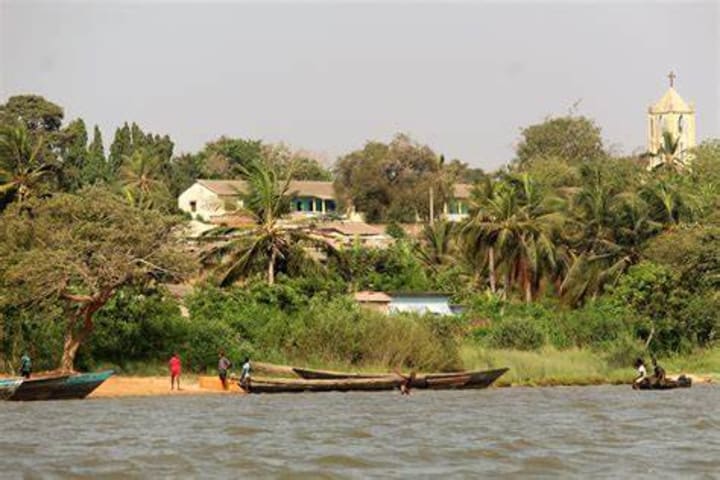
Togoville has given its name to the country and has voodoo shrines and mud brick huts. This small village is the place where the expeditionary Nachtigal signed an agreement with the chieftain of the land for German hegemony to extend to this part of West Africa. Visitors can get a look at this important document.
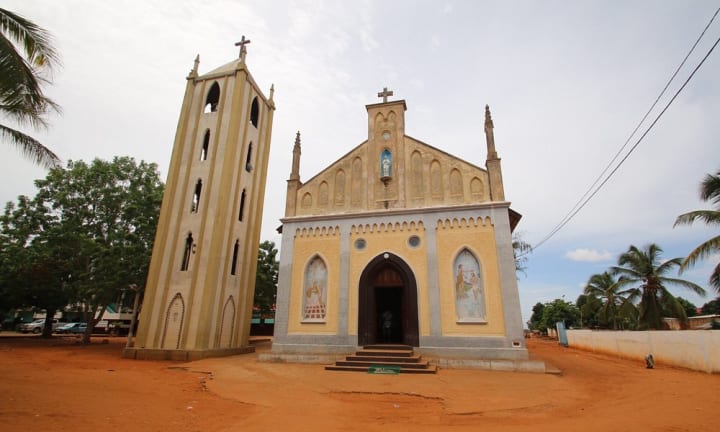
Other things to get a look at are a lovely colonial cathedral and some little beaches to do some lakeshore strolling.
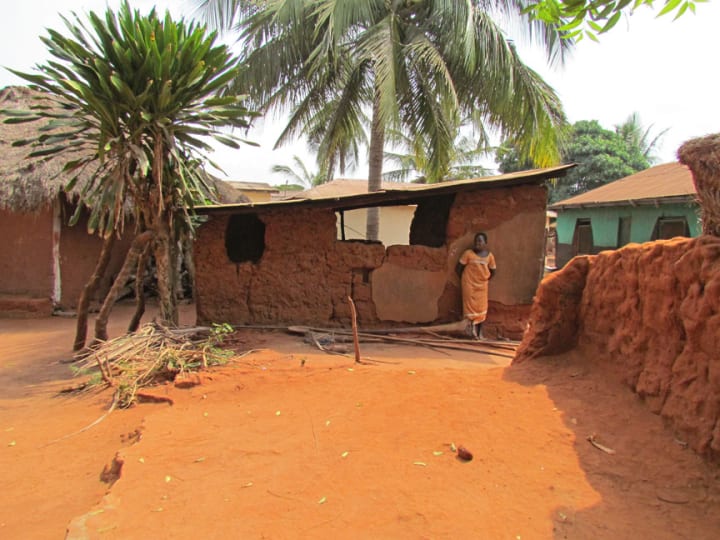
Another beautiful town to visit on the banks of Lake Togo is Agbodrafo.
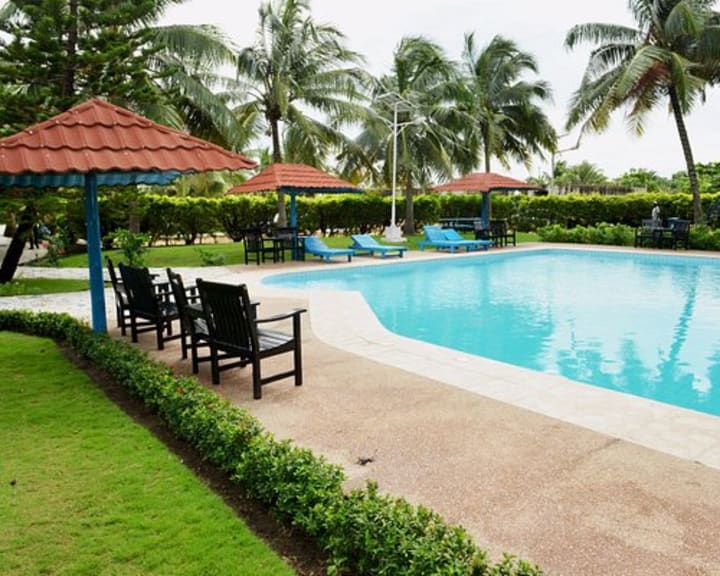
It is famous for its popular resort hotel The Hotel le Lac Paradis. The town is known for water sports like pedal boating and jet skiing. On the other side of the town is the Atlantic Ocean with stretches of golden sand and rolling waves.

Fazao Malfakassa National Park is Togo’s largest national park right in the heart of the country. It is known for its thick forests and riparian woodlands. This is where you can find the uber-rare forest elephant. Here you can also see bay duikers, antelopes, kobs, and bushbacks.
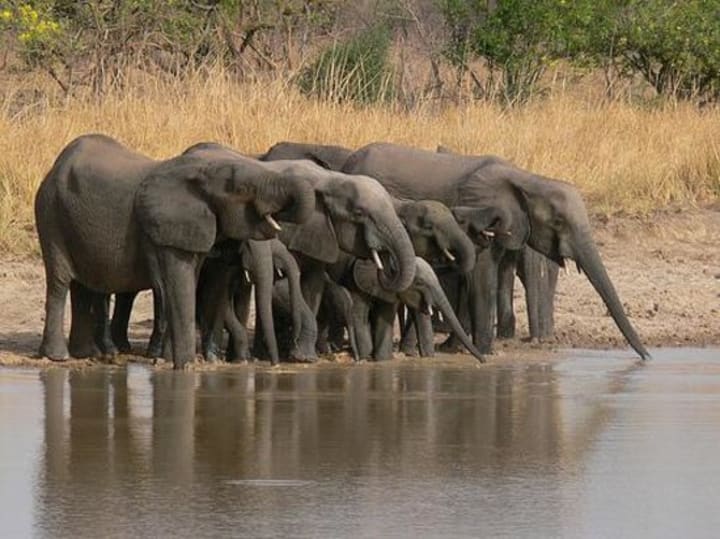
Keran National Park stretches along the Kamongou River. There are swamplands and rocky escarpments. Visitors enjoy seeing the elephants. There are also bushbucks and antelopes.
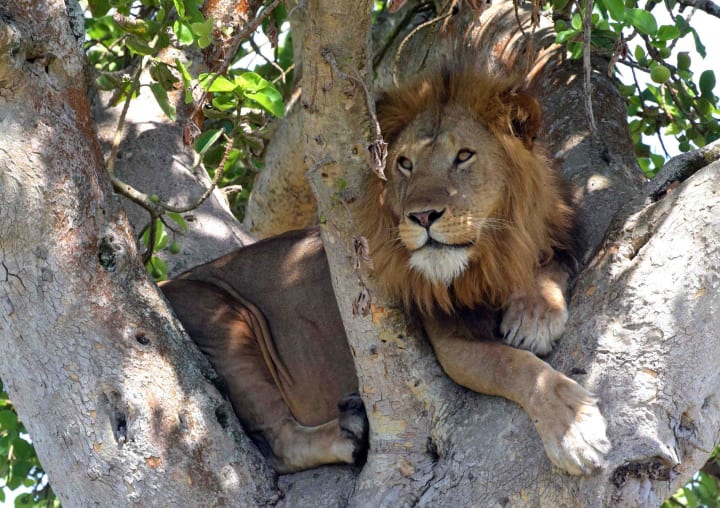
Fosse aux Lions National Park this national park lies the farthest in the north. Here you can find many elephants and see savannahs and muddy swamplands. This park includes the rustic town of Tandjouare with many hiking and game journeys starting from here.
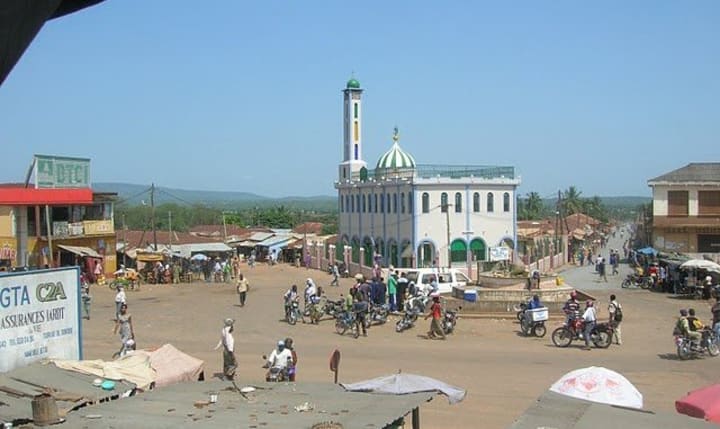
Sokode is the hub of the Central Riverlands and it’s crossed by the rivers Mono and Mo. Its backcountry is irrigated by the channels of the Kpondjo, Kpandi, and the Na. In the faraway hills, you’ll find corn, yams, soy, and cassava. You can see the fascinating rituals of the Semassi warriors during the Kotokoli Festival.
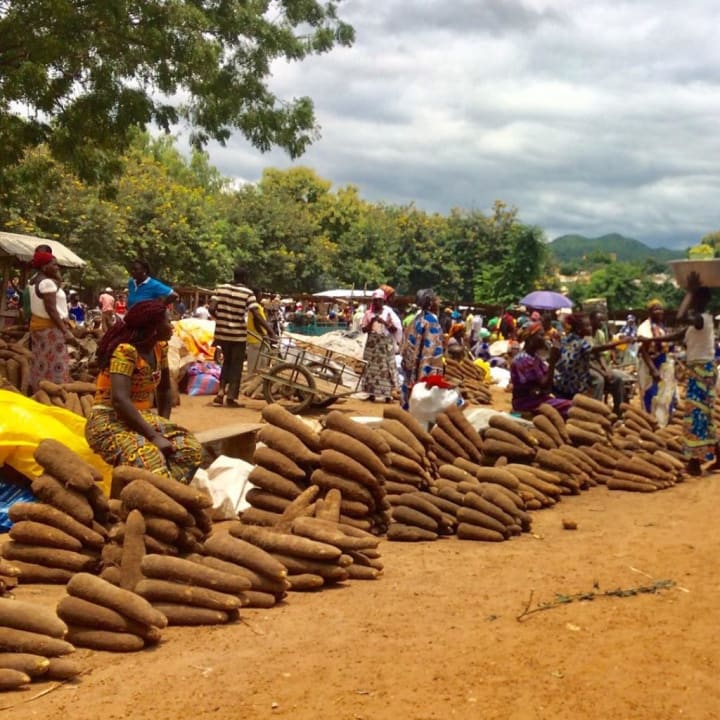
Bassar is popular with its fufu yams in central Togo. No other yam is as popular as the labaco that are grown in Bassar and used in the national kitchen. Here you can also meet voodoo locals and tour the haunting so-called House of the Dead, honoring the tribal chieftains of old.
About the Creator
Rasma Raisters
My passions are writing and creating poetry. I write for several sites online and have four themed blogs on Wordpress. Please follow me on Twitter.
Keep reading
More stories from Rasma Raisters and writers in Wander and other communities.
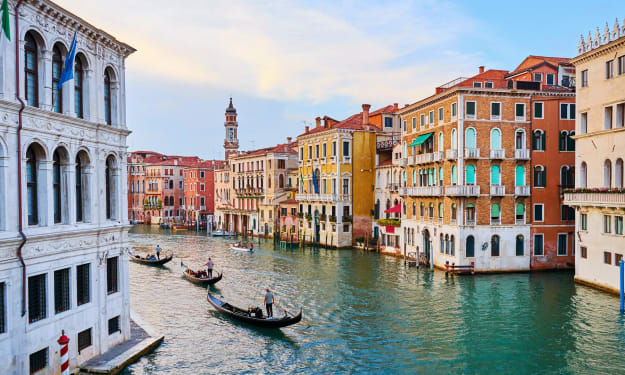
Amazing Venice
Venice is a truly amazing city that was built on over 100 small islands in a marshy lagoon in the Adriatic Sea. The city is the capital of northeastern Italy’s Veneto region and exploring it means that you’ll find something to delight in around every corner. Transportation here is by boat on the canal. Venice has been the background of many romantic movies.
By Rasma Raisters3 years ago in Wander
Worth the Wait: Puerto Viejo, Costa Rica
Beach bumming in a small Caribbean beach town sounded like a perfect way to end our 6-month trip through Mexico and Central America. Or so we thought. The foul, fishy stench of rotten seaweed hit our nostrils as we stepped from the cramped bus and looked out at a rather depressing, empty, and underwhelming black sand beach. It was pouring with rain, and we had to quickly fish out our ponchos. We thought, this couldn’t be it, could it?
By Sh*t Happens - Lost Girl Travel5 days ago in Wander



Comments
There are no comments for this story
Be the first to respond and start the conversation.