
🇵🇰 The Vibrant Culture Of Sindh - A Living Heritage Of Pakistan
"Real Sindh | Food, Music & Spiritual Beauty – Must See!"


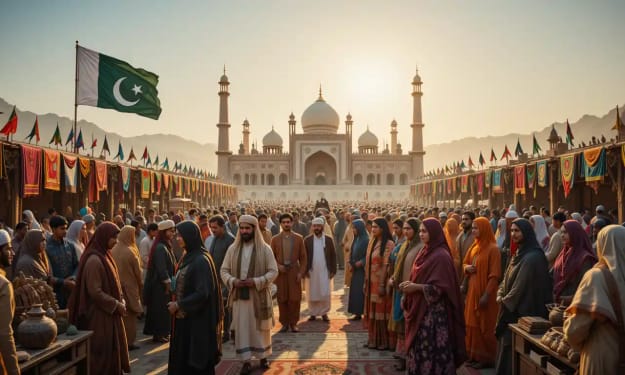
🇵🇰 The Vibrant Culture of Sindh – A Living Heritage of Pakistan
Pakistan is a diverse land of cultures, languages, and traditions. Among its most ancient and rich cultural identities is that of Sindh, a province known for its hospitality, Sufism, music, colors, and craftsmanship. The Sindhi culture is deeply rooted in the ancient Indus Valley Civilization, representing centuries of evolution, resilience, and pride.
From its melodic language and embroidered attire to spiritual poetry and historical cities, Sindh’s culture is a living reflection of Pakistan’s heritage.
Historical Roots – The Indus Valley Civilization
Sindhi culture is not just centuries old—it’s millennia old. The Indus Valley Civilization, centered in places like Mohenjo-daro, dates back to 2600 BCE and is one of the earliest urban civilizations in the world. The remains show advanced city planning, drainage systems, and artisan skills.
Over time, Sindh was influenced by various empires—Persian, Arab, Mughal, and British—yet it preserved its own distinct identity. The people of Sindh have always embraced change without losing their cultural core.
Sindhi Language – Soul of the People
The Sindhi language is the heart of Sindhi culture. It is sweet, poetic, and deeply expressive, with influences from Arabic, Persian, Sanskrit, and even Dravidian languages. It is one of the recognized national languages of Pakistan.
Some of the greatest Sufi poets and writers—like Shah Abdul Latif Bhittai, Sachal Sarmast, and Shaikh Ayaz—wrote in Sindhi, leaving behind a literary treasure that still resonates today.
Traditional Dress and Identity
For Men:
Ajrak: A hand-block printed shawl in deep reds, blues, and blacks, symbolizing pride and honor.
Sindhi Cap: A colorful cap decorated with mirror work and embroidery, worn during festivals and ceremonies.
Shalwar Kameez with Waistcoat: The standard yet graceful outfit, especially during cultural or religious gatherings.
For Women:
Sindhi women wear vibrant clothes decorated with mirror work, beads, and thread embroidery. Their traditional outfit consists of:
Lehenga (Skirt)
Choli (Blouse)
Dupatta (Scarf)
Heavy silver jewelry, bangles, and nose rings also add beauty to the attire.
Sindhi embroidery is internationally recognized and is often used in fashion and décor.
Sindhi Cuisine – A Taste of the Land
Sindhi food is flavorful, spicy, and rich in tradition. Meals are often communal and centered around sharing.
Some famous Sindhi dishes:
Sindhi Biryani – A spicy and tangy rice dish layered with meat and potatoes.
Sai Bhaji – A spinach-based dish cooked with lentils and vegetables.
Sindhi Kadhi – A curry made with gram flour, vegetables, and tamarind.
Tuk (Fried potatoes or eggplant) – Crispy, spiced vegetables served as sides.
Lassi and Chaas – Yogurt-based drinks popular in summer.
The act of serving food to guests generously is a vital part of Sindhi culture.
Music, Dance & Instruments
Sindhi music is a celebration of love, spirituality, and resistance. It features a mix of folk songs, Sufi kalam (poetry), and traditional tunes.
Key Musical Elements:
Instruments: Yaktaro (single-stringed instrument), dholak, flute, and tabla.
Sufi Kalam: The poetry of Shah Abdul Latif Bhittai is often sung in gatherings.
Ho Jamalo: A popular Sindhi folk song played at weddings and festivals.
Dances performed on traditional music reflect joy and cultural pride.
Festivals and Celebrations
Sindh celebrates a wide range of spiritual and cultural festivals that showcase unity, color, and devotion.
Major Events:
Urs of Shah Abdul Latif Bhittai – Held in Bhit Shah, featuring Sufi music, prayers, and poetry.
Lal Shahbaz Qalandar’s Urs – Celebrated in Sehwan Sharif with dhamaal (Sufi trance dance).
Sindhi Cultural Day (Ajrak & Topi Day) – Celebrated on the first Sunday of December with parades, songs, and cultural shows.
Eid, Basant, and other national holidays are also celebrated with local flavor and traditions.
Art, Crafts, and Handicrafts
Sindhi artisans are known for their fine craftsmanship passed down through generations.
Handicrafts include:
Ajrak printing – using vegetable dyes and wooden blocks.
Sindhi Ralli quilts – patchwork blankets with colorful patterns.
Mirror embroidery – used on clothing, purses, and wall hangings.
Clay pottery – hand-molded and painted with traditional motifs.
These items are not only used locally but are also exported and loved worldwide.
Architecture and Housing
Traditional Sindhi homes in rural areas are made of mud, wood, and straw, designed to remain cool in hot summers and warm in winters. Houses often have artistic wall paintings and intricate wooden doors.
Historic cities like Thatta, Makli Necropolis, and Mohenjo-daro contain stunning examples of Sindhi architecture, including tombs, mosques, and shrines.
Religion and Sufism – The Spirit of Sindh
Sindh is known as the Land of Sufis. The province has a deep spiritual heritage rooted in tolerance, love, and humanity.
Sufi saints like:
Shah Abdul Latif Bhittai
Sachal Sarmast
Lal Shahbaz Qalandar
promoted the values of peace, equality, and divine love through poetry and teachings. Their shrines are still visited by thousands regardless of religion or caste.
Hindus and Muslims have lived side by side in Sindh for centuries, reflecting the region’s inclusive culture.
Sindhi Culture in the Modern Era
In today’s digital world, Sindhi culture continues to thrive:
Youth are creating Sindhi vlogs and documentaries.
Designers are reviving traditional crafts in modern fashion.
Social media platforms feature Sindhi music, Ajrak fashion shoots, and poetry recitations.
Cultural festivals are live-streamed, connecting the diaspora worldwide.
Organizations and the Government of Sindh are actively working to preserve and promote the cultural identity of the region through exhibitions, cultural days, and digital archives.
Why Sindhi Culture Matters
Sindhi culture is not just about colors and rituals; it teaches us values:
Hospitality
Respect for elders
Community spirit
Spirituality over materialism
At a time when globalization threatens local identities, Sindhi culture reminds us of the importance of staying rooted while embracing the future.
Conclusion
The culture of Sindh is a beautiful blend of ancient civilization, spiritual depth, and artistic brilliance. It is a proud representation of what Pakistan truly stands for—diversity, resilience, and beauty. As we move forward, it’s our responsibility to preserve, celebrate, and share this rich heritage with the world.
Next time you see an Ajrak or hear a Sindhi tune—remember, you're experiencing a piece of one of the oldest living cultures on Earth.
About the Creator
Noor Salam
✍️ Pakistani writer sharing motivational stories, Islamic reflections, and online earning tips in English & Urdu. I believe in the power of words to inspire, guide, and create impact. 🇵🇰
Keep reading
More stories from Noor Salam and writers in Wander and other communities.
The Soul of Pakistan: Unity in Diversity"
'The Soul of Pakistan: Unity in Diversity" Pakistan is a land of contrasts — deserts and mountains, villages and cities, ancient customs and modern dreams. But what unites all of it is the deep-rooted sense of cultural pride.
By Noor Salam7 months ago in Wander
Weather in Morocco in August By Morocco Family Vacation
When I first planned our summer trip to Morocco in August, I had mixed feelings. I knew Morocco was hot in the summer, but I wasn’t sure how my kids would handle the heat. Traveling with two children my 7-year-old and 10-year-old means considering naps, hydration, sun protection, and activity pacing more than anything else. I wanted an adventure, but I also wanted it to be safe and enjoyable for them.
By Ariel Cohen2 days ago in Wander
Smart phones, Humans and Aliens.
WARNING. I will be tapping into one of your favorite creative tensions: The absurdity of humans worshipping their glowing rectangles as if they were tiny oracles. There’s something deliciously poetic about that contradiction, and it lends itself beautifully to an instructive proviso.
By Novel Allen4 days ago in Poets


Comments
There are no comments for this story
Be the first to respond and start the conversation.