
The Untold Wonders of Manaslu Trek
A Mysterious Journey Awaits

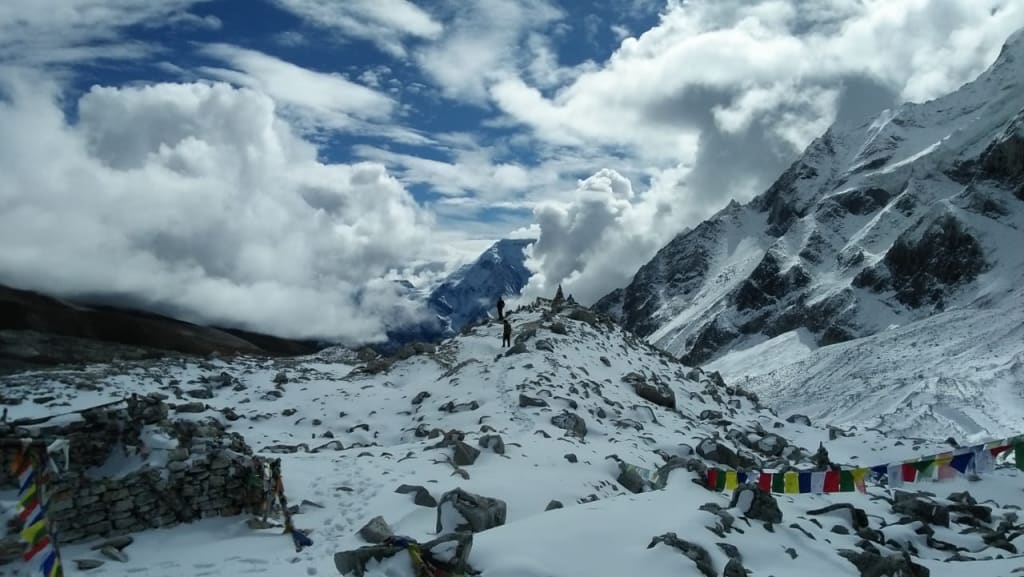
The Manaslu Trek is a spectacular and less crowded alternative to the more popular Annapurna Circuit Trek and Everest Base Camp Trek in Nepal. The trek takes you around the eighth highest peak in the world, Mount Manaslu (8,163 m). It is a challenging yet rewarding trek that offers a blend of cultural experiences with breathtaking landscapes of the Nepalese Himalayas. Here is a comprehensive guide to help you plan your Manaslu Trek:
1. Best Time to Go:
The ideal time to trek Manaslu is during the pre-monsoon (spring) season from March to May and the post-monsoon (autumn) season from September to November. During these times, the weather is typically clear and stable, offering excellent views of the mountains and a higher chance of successful high passes crossing.
2. Difficulty Level:
The Manaslu Trek is considered a moderate to challenging trek due to its remoteness, diverse terrain, and several high passes. It requires a good level of physical fitness and previous trekking experience is beneficial. The trail involves steep ascents and descents, crossing of the Larkya La Pass (5,160 m), and long days of walking.
3. Trek Duration:
The standard itinerary for the Manaslu Trek is 14-17 days, but it can be extended or shortened depending on your preference and fitness level.
4. Permits and Costs:
- Manaslu Conservation Area Permit (MCA)
- Manaslu Restricted Area Permit (RAP)
- Annapurna Conservation Area Permit (ACAP)
- TIMS (Trekkers' Information Management System) Card
The costs for these permits vary per season and are subject to change, but generally, you can expect to pay around $70-$100 for the RAP and $30-$50 for the MCA and ACAP permits. Additionally, there are fees for the TIMS card and your Nepalese visa.
The overall Manaslu Trek cost can vary significantly based on factors such as duration, accommodation standards, guide services, and permits. Typically, prices range from $1,000 to $2,500 per person for a 14 to 20-day trek, which may include meals, lodging, a guide, porters, and necessary permits (like the Manaslu Circuit Permit and ACAP fee). It's advisable to book through a reputable trekking agency to ensure a safe and enjoyable experience.
5. Route and Itinerary:
The Manaslu Trek starts from Arughat or Soti Khola and follows the Budhi Gandaki River northwards. After crossing the Larkya La Pass, the trail joins the Annapurna Circuit at Dharapani.
The Manaslu Trek is a popular teahouse trek in Nepal that circles the eighth highest mountain in the world, Manaslu (8163m). This 17-day itinerary offers an off-the-beaten-path experience, taking you through diverse landscapes, from lush forests to high-altitude passes and remote Tibetan-influenced settlements. Here's a detailed itinerary for the Manaslu Circuit Trek:
Day 01: Arrival in Kathmandu
- Arrive at Tribhuvan International Airport in Kathmandu.
- Transfer to your hotel for rest and an evening briefing about the trek.
- Explore Kathmandu’s vibrant streets and markets.
Day 02: Kathmandu to Arughat (600m) - 7-8 hours drive
- Drive from Kathmandu to Arughat via Dhadingbesi, Aable Bazaar and Sotikhola.
- Overnight stay in a teahouse.
Day 03: Arughat to Soti Khola (730m) - 6 hours trek
- Trek starts from Arughat, following the Budhi Gandaki river.
- Walk through terraced fields and small Gurung and Magar settlements.
- Overnight stay in a teahouse.
Day 04: Soti Khola to Machha Khola (850m) - 5-6 hours trek
- Trek along the riverbank, passing through forests and suspension bridges.
- Ascend to Machha Khola village.
- Overnight stay in a teahouse.
Day 05: Machha Khola to Jagat (1300m) - 6-7 hours trek
- Gradually ascend through a narrow valley, passing by waterfalls.
- Trek through the forested area and reach the village of Jagat.
- Overnight stay in a teahouse.
Day 06: Jagat to Deng (1800m) - 6-7 hours trek
- Trek through the valley and cross the Budhi Gandaki river several times.
- Enter the Manaslu Conservation Area and reach the village of Deng.
- Overnight stay in a teahouse.
Day 07: Deng to Namrung (2630m) - 6-7 hours trek
- Trek through a scenic valley filled with chortens, mani walls, and monasteries.
- Pass through the Sringi La and reach the Tibetan-style village of Namrung.
- Overnight stay in a teahouse.
Day 08: Namrung to Samagaon (3530m) - 6-7 hours trek
- Climb through alpine forests and pass through several mani walls and chortens.
- Enter the Nupri region and reach the largest village in the area, Samagaon.
- Overnight stay in a teahouse.
Day 09: Acclimatization Day in Samagaon
- Explore the village, visit the monastery and enjoy the spectacular mountain views.
- Optionally, hike to Birendra Tal or Punggen Gompa.
Day 10: Samagaon to Samdo (3875m) - 4-5 hours trek
- Trek through a relatively flat and easy trail to Samdo, a remote Tibetan settlement.
- Enjoy the views of the Himalayas including Manaslu.
- Overnight stay in a teahouse.
Day 11: Rest Day in Samdo
- Spend an additional day for acclimatization.
- Explore the village or hike to the nearby lakes and passes.
Day 12: Samdo to Dharamsala/Larkya Phedi (4460m) - 4-5 hours trek
- A short but steep climb to Dharamsala, also known as Larkya Phedi.
- Overnight stay in a teahouse or lodge.
Day 13: Dharamsala to Larkya La Pass (5160m) to Bimthang (3720m) - 8-9 hours trek
- Cross the challenging Larkya La Pass, offering panoramic views of the Annapurna range and Manaslu.
- Descend to the pastures of Bimthang.
- Overnight stay in a teahouse.
Day 14: Bimthang to Tilije (2300m) - 5-6 hours trek
- Descend through rhododendron and pine forests to reach Tilije.
- Overnight stay in a teahouse.
Day 15: Tilije to Tal (1700m) - 5-6 hours trek
- Trek down to the Dudh Khola river and pass through the village of Karche.
- Continue to Tal and its picturesque setting.
- Overnight stay in a teahouse.
Day 16: Tal to Syange (1100m) - 6-7 hours trek
- Trek through the Marsyangdi river valley, passing waterfalls and mani walls.
- Overnight stay in a teahouse.
Day 17: Syange to Kathmandu via Besisahar and Dharapani - 8 hours drive
- Drive back to Kathmandu via Besisahar and Dharapani.
- Transfer to your hotel and rest.
Day 18: Departure from Kathmandu
- Spend the morning exploring Kathmandu if you have time.
- Transfer to the airport for your international flight.
Please note that this itinerary can be customized according to your preferences and the length of your trip. It's also essential to consider acclimatization days and rest days to prevent altitude sickness. Additionally, the trekking times mentioned are estimates and can vary depending on individual fitness levels and weather conditions. Make sure to consult with a trekking agency or an experienced guide for the most up-to-date information and to tailor the itinerary to your needs.
6. Equipment and Packing List:
- Warm clothing (fleece, down jacket, thermal underwear)
- Waterproof gear (raincoat, pants, and gaiters)
- Good quality trekking boots
- Sleeping bag (rated to -10°C or lower)
- Trekking poles
- Headlamp with extra batteries
- Basic first aid kit
- Water purification tablets/filter
- Snacks and energy bars
- High-altitude medicine (diamox, if needed)
- Sun protection (sunscreen, sunglasses, hat)
- Insect repellent
- Map and compass/GPS
- Camera and extra batteries/power bank
- Duffel bag (for porters to carry)
- Daypack
- Water bottles/hydration system
- Passport, permits, and travel insurance documents
7. Altitude Sickness:
Acclimatization is essential on this trek. Take your time to ascend gradually, stay hydrated, and be aware of the symptoms of altitude sickness such as headaches, nausea, and difficulty breathing. If symptoms persist or worsen, descent is the best treatment.
8. Physical Preparation:
Train for the trek by walking, jogging, and doing cardio exercises to improve your stamina and endurance. Strength training for your legs and core will also be helpful. Start preparing at least 2-3 months before your trek.
9. Guides and Porters:
It is highly recommended to hire a local guide and porter for the trek. They are well-versed with the terrain, weather conditions, and can assist in emergencies. They also contribute to the local economy.
10. Accommodation and Food:
Accommodation along the Manaslu Trek is in teahouses, which are basic lodges serving food and providing a place to sleep. Meals are typically Nepalese dishes like dal bhat, noodles, and rice with vegetables or meat. Carry snacks and energy bars for in-between meals.
11. Communication and Connectivity:
Some teahouses have Wi-Fi, but it's not reliable. Consider purchasing a local SIM card with data for better connectivity. Satellite phones can be rented for emergencies.
12. Transportation:
To reach the trailhead, you'll need to take a public bus or a private jeep from Kathmandu to Arughat or Soti Khola. After the trek, you can return to Kathmandu by bus or jeep.
13. Trekking Agencies:
Booking through a reputable trekking agency can help ensure a safe and organized trip. They will arrange your permits, transportation, accommodation, guides, and porters.
14. Travel Insurance:
Make sure your travel insurance covers high-altitude trekking and emergency evacuation, as the Manaslu region is remote and medical facilities are limited.
15. Responsible Tourism:
Follow the principles of Leave No Trace, respect local customs and culture, and support the local economy by buying goods and services along the way.
16. Safety and Health:
Vaccinations and travel insurance are essential. Be prepared for cold temperatures, especially at higher altitudes. It is also advisable to carry a first aid kit and any personal medication you may need.
17. Training and Acclimatization:
As the trek involves high altitudes, it is crucial to train and acclimatize properly. Spend time in Kathmandu before the trek to adjust to the altitude, and take rest days as necessary during the trek.
18. Flight Cancellations:
Flights to and from Jomsom (for those doing the Annapurna Circuit) can be canceled due to weather. Keep buffer days in your itinerary in case of delays.
19. Tipping:
Tipping is a common practice in Nepal. Show your appreciation to guides and porters by tipping them based on their service.
20. Trek Highlights:
- Cultural experiences with local Gurung and Tibetan communities.
- Manaslu Base Camp (optional side trip)
- Crossing the Larkya La Pass
- Panoramic views of Manaslu, Annapurna II, and other Himalayan peaks
- Scenic landscapes, including forests, rivers, and glaciers
- Less crowded trails compared to other popular treks in Nepal
The Manaslu Trek is a remarkable adventure that offers a true taste of Nepal's natural beauty and cultural richness. With proper planning and preparation, you can have an unforgettable journey in the shadow of the majestic Mount Manaslu.
About the Creator
Excellent Himalaya
Excellent Himalaya Trek and Expedition is the leading trekking tour operator of Nepal. We organize Everest Base Camp Trek, Annapurna Base Camp Trek, Annapurna Circuit Trek, and Langtang Trek., rafting, paragliding, bungee jumping in Nepal.
Keep reading
More stories from Excellent Himalaya and writers in Wander and other communities.
Annapurna Base Camp Trek
Annapurna Base Camp Trek positioned inside the coronary heart of the Annapurna massif and it begins from Nayapul and goes as much as Annapurna Base Camp. The ABC and MBC these base camps serve each the climbers attempting summits of the snow Himalayan peaks of Annapurna variety and the trekkers traveling one the most recognized international hiking regions recognised additionally as Annapurna Sanctuary. Machhapuchhare Himal, surprisingly fantastic top is a confined to summit climbs however its basecamp is well-known for trekkers longing to enjoy the classic Himalayan journey.
By Excellent Himalaya5 years ago in Wander
Gift of the Epiphany
I have come to love the Mike's monthly unofficial challenges. They spark my imagination and cause me to dig, explore and search out truths. They also cause personal memories of mine to sparkle for a bit. January's challenge was no exception. In fact, the events that I'm now journaling still amaze me because those steps felt so ordered, yet unmistakingly, not mine.
By Shirley Belk3 days ago in Wander
Postcard from Bangor
Welcome to “Postcards Between Pages,” where we journey to places where stories come alive, and the landscape speaks with the echoes of literary giants. Today, we’re mailing you an audio postcard straight from Bangor, Maine—home to SK Tours of Bangor and the heart of Stephen King’s legendary world. Together, we’ll traverse the eerie streets and storied landmarks that inspired the King of Horror, listen to tales and whispers from beyond the page, and unravel how Bangor’s soul has shaped the nightmares and dreams of readers across the globe.
By Kristen Barenthaler3 days ago in Wander


Comments
There are no comments for this story
Be the first to respond and start the conversation.